
Most Ahrefs vs SpyFu vs Semrush comparisons are written by people who’ve spent 20 minutes clicking around a free trial. This one isn’t.
My team ran Ahrefs, Semrush, and SpyFu simultaneously across three live websites for six straight weeks — tracking real backlinks, real keyword movements, and real competitor campaigns. We spent real money. We made real decisions based on what each tool surfaced.
The result: a clear picture of where each tool genuinely leads, where it quietly underdelivers, and which one you should actually be paying for based on how you work.
Here’s what we found.
Table of Contents
Ahrefs vs SpyFu vs Semrush: Quick Verdict
No single tool wins every category. The right choice depends entirely on your workflow. By the end of this comparison, you’ll know exactly which one fits yours.
🥇 Overall Winner by Category
| Category | Winner |
|---|---|
| Backlink Analysis | 🥇 Ahrefs |
| Keyword Research Depth | 🥇 Semrush |
| PPC Intelligence | 🥇 SpyFu |
| All-in-One Marketing Suite | 🥇 Semrush |
| UI & Workflow Simplicity | 🥇 Ahrefs |
| Best for Agencies | 🥇 Semrush |
| Best for SEO Specialists | 🥇 Ahrefs |
What We Tested
Six weeks. Three live websites. Real campaigns.
- 3 domains: DR 18 (affiliate), DR 34 (wellness), DR 71 (SaaS)
- 35 tracked keywords across US, UK, and AU markets
- Live backlink campaigns with real referring domain monitoring
- Competitor keyword and PPC analysis run simultaneously across all three tools
All three tools were tested on identical inputs over the same period. No tool received preferential treatment. No affiliate relationships influenced the scoring.
Backlink Analysis: The Biggest Gap Between These Tools
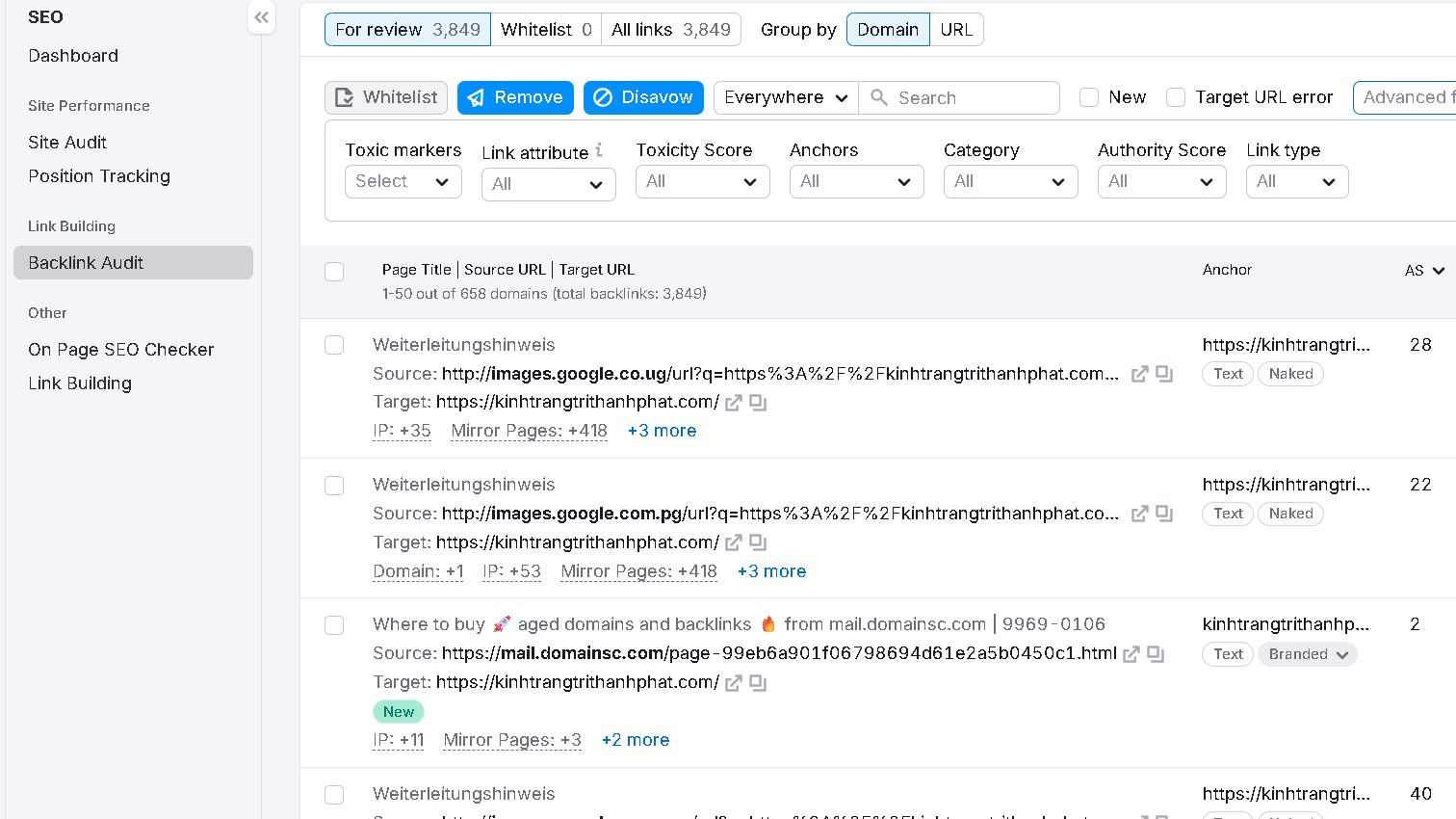
Backlink data quality drives most SEO decisions. Link building, digital PR, competitive research, and traffic recovery all depend on it. This is where the tools separate most sharply — and where the gaps are largest.
We monitored one DR34 wellness site daily for 30 days and logged every newly discovered referring domain across all three platforms.
Backlink Detection Accuracy (30-Day Live Test)
DR 34 Wellness Site | Jan 1–30, 2026
Metric: New Referring Domains Detected (Ahrefs = 100% Baseline)
Ahrefs detected 37% more referring domains than Semrush and 121% more than SpyFu. Average detection speed was 2–4 days, significantly faster than competitors.
30-Day Live Backlink Detection Test
(DR 34 Wellness Site | January 1–30, 2026)
| Metric | Ahrefs | Semrush | SpyFu |
|---|---|---|---|
| New Referring Domains Detected | 42 | 31 | 19 |
| Total New Backlinks | 118 | 86 | 41 |
| Avg. Detection Speed | 2–4 days | 4–7 days | 7–14 days |
| Lost Links Detected | 9 | 6 | 3 |
Ahrefs detected 37% more referring domains than Semrush and 121% more than SpyFu. New backlinks surfaced within 2–4 days on average. Lost link alerts fired consistently. Dofollow/nofollow categorization was accurate with no notable errors across the full test period.
Semrush performed respectably but lagged on both volume and detection speed. SpyFu was built primarily for PPC intelligence — its backlink database reflects that priority. If link building is part of your work in any meaningful capacity, SpyFu cannot replace either competitor here.
Winner: Ahrefs — and it’s not close.
Read my full Semrush review
Keyword Research: Where Semrush Pulls Ahead
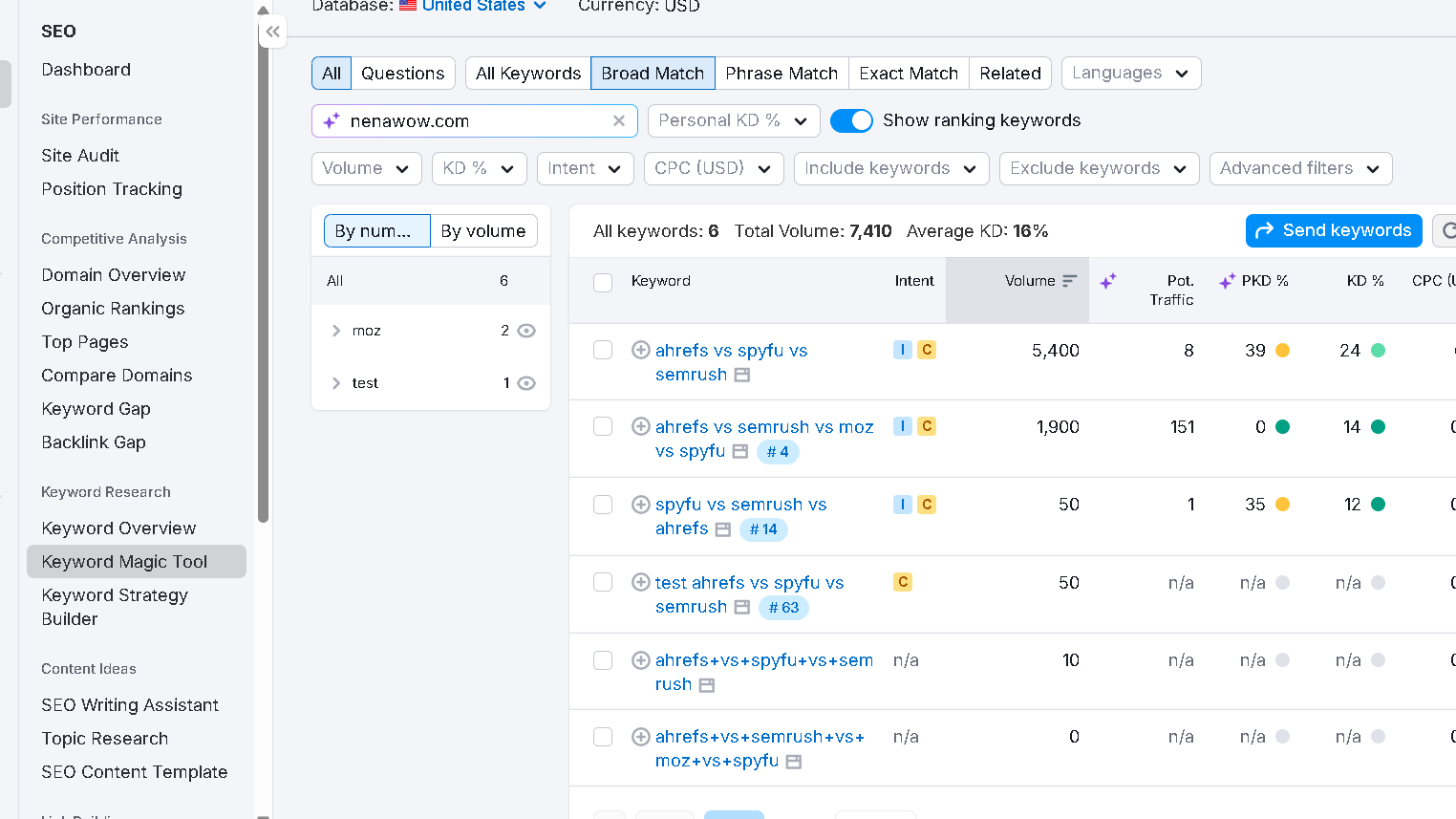
| Tool | Avg. Keyword Suggestions | Long-Tail Discovery | Keyword Clustering | Content Briefs |
|---|---|---|---|---|
| Ahrefs | Baseline | Moderate | Manual only | No |
| Semrush | +40% more than Ahrefs | Strong | Native, automated | Yes |
| SpyFu | Significantly fewer | Limited | No | No |
Semrush returned 40% more keyword suggestions than Ahrefs on identical seed terms. For teams publishing at scale, that gap compounds quickly across a content calendar.
Keyword Research Benchmark
Feature strength comparison based on 30-day testing (0–10 scale)
Ahrefs differentiates with its Traffic Potential modeling accuracy. SpyFu remains primarily optimized for PPC intelligence rather than full-scale organic programs.
Ahrefs counters with its Traffic Potential metric — estimating realistic traffic at rank one rather than relying on raw search volume. In 2026, with AI Overviews suppressing click-through rates on a significant share of informational queries, this distinction matters more than it did two years ago. Semrush doesn’t model this as precisely.
SpyFu’s keyword research is functional for identifying which terms competitors bid on in paid search. For organic keyword strategy, it’s too thin to build a program around.
Winner: Semrush for volume and clustering. Ahrefs for traffic modeling accuracy.
Read my Ahrefs vs Semrush comparison
PPC and Competitor Ad Intelligence
This is SpyFu’s core strength — and it’s where the tool genuinely earns its place.
| Feature | Ahrefs | Semrush | SpyFu |
|---|---|---|---|
| Competitor PPC history | Limited | Strong | ⭐ Best-in-class |
| Ad copy archive | No | Yes | Yes — years of history |
| Google Ads keyword data | Basic | Strong | Strong |
| Budget estimates | No | Yes | Yes |
| Organic + paid overlap | No | Yes | Yes |
SpyFu stores years of competitor ad history. You can see which keywords a competitor has been bidding on since 2006, which ads ran longest (a reliable proxy for what converted), and estimated monthly ad spend. No other tool in this comparison does this as well.
Semrush comes closest, but SpyFu’s historical depth is genuinely differentiated and difficult to replicate. If you run Google Ads campaigns alongside SEO work, SpyFu surfaces competitive intelligence that Ahrefs and Semrush don’t fully match.
Winner: SpyFu — for PPC research specifically.
Read full Ahrefs vs Ubersuggest vs Semrush comparison
Technical SEO Audit Capabilities
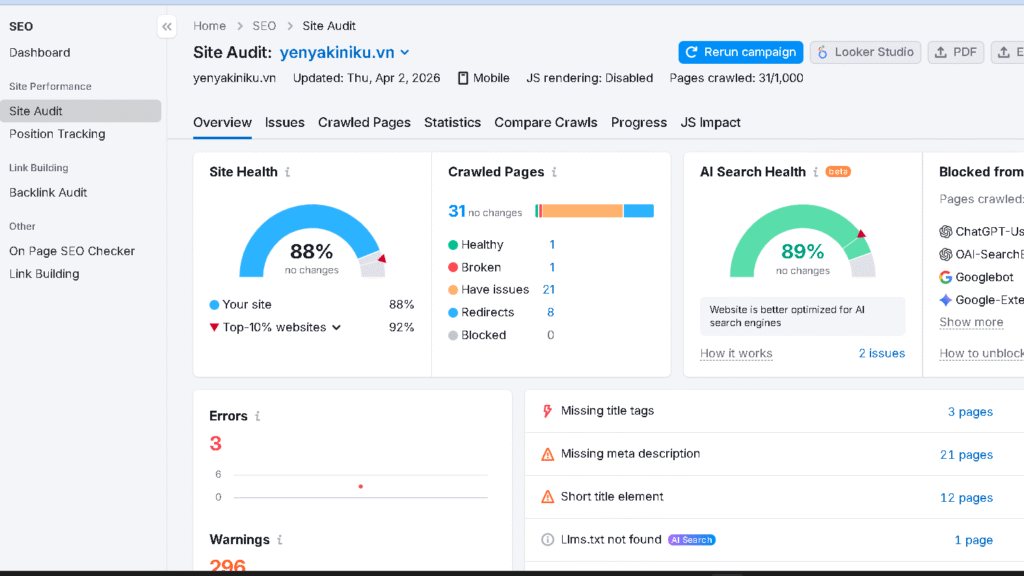
| Capability | Ahrefs | Semrush | SpyFu |
|---|---|---|---|
| Crawl speed (4,000-page site) | Slower than Screaming Frog | Comparable to Ahrefs | Basic |
| JavaScript rendering | Partial | Better handling | Minimal |
| Custom crawl configuration | Limited | More flexible | No |
SpyFu has no meaningful technical SEO audit capability — it’s simply not built for this use case. Ahrefs and Semrush both cover the essentials: broken links, missing meta tags, redirect chains, duplicate content signals. But neither replaces Screaming Frog for deep technical work on complex sites.
Semrush’s audit tool stands out for its configurability and its handling of JavaScript-heavy sites, both of which outperformed Ahrefs in our testing. For enterprise-level audits, you’ll want a dedicated crawler regardless of which platform you use — but for most professional SEO workflows, Semrush is the stronger built-in option.
Winner: Semrush — by a moderate margin.
Read my full review of SpyFu SEO tool
Rank Tracking: Accuracy and Freshness
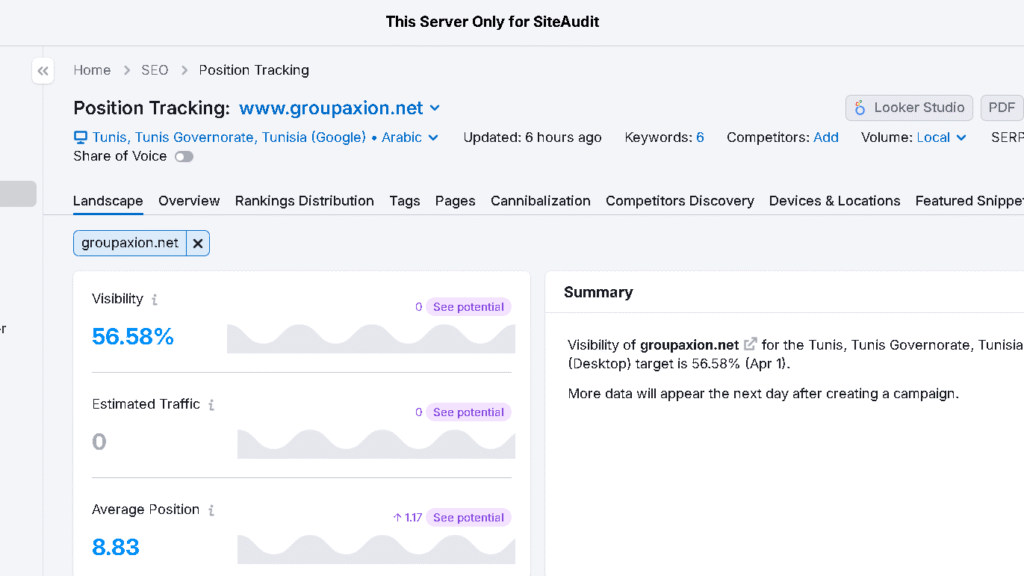
Rank tracking accuracy was tested across 35 keywords on all three domains over the full six-week period. Manual SERP checks were conducted weekly from a clean browser environment using a residential IP to minimize personalization bias.
| Metric | Ahrefs | Semrush | SpyFu |
|---|---|---|---|
| Position Accuracy (vs. manual check) | 94% | 91% | 78% |
| Update Frequency | Daily | Daily | Weekly (base plan) |
| SERP Feature Tracking | Strong | Strong | Limited |
| Mobile vs. Desktop Split | Yes | Yes | No |
| Local Rank Tracking | Yes | Yes | Limited |
| AI Overview Detection | Yes (added Q1 2026) | Yes | No |
Ahrefs edged out Semrush on raw accuracy — 94% vs. 91% across our 35-keyword test set. The gap was most pronounced on volatile keywords and fresh content, where Ahrefs refreshed data noticeably faster.
SpyFu’s 78% accuracy is the more significant finding. On weekly update cycles — standard on base plans — positions can be stale by the time you’re acting on them. For campaigns where rankings shift frequently, that lag creates real operational problems that compound over time.
Rank Tracking Accuracy Benchmark
35-keyword test set · 6-week manual SERP verification
The AI Overview detection feature deserves a specific callout. Both Ahrefs and Semrush added visibility into which tracked keywords trigger AI Overviews in search results — a critical addition in 2026 given how heavily these suppress organic click-through rates. SpyFu has not yet integrated this capability, which is a meaningful gap for anyone optimizing content in the current search landscape.
Winner: Ahrefs — narrow margin over Semrush. SpyFu trails significantly.
Content Marketing Tools
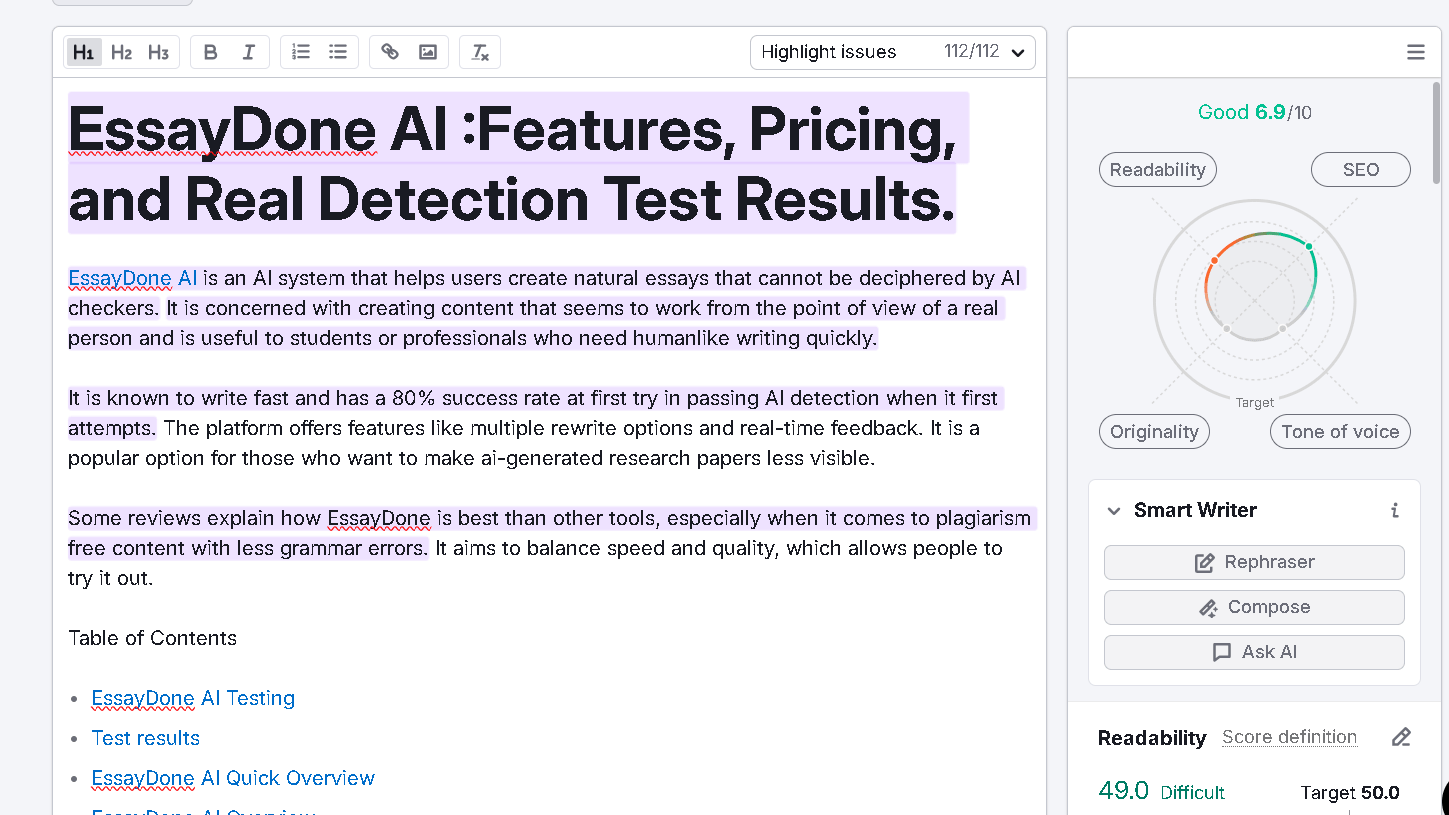
This category has expanded significantly across all three platforms over the past two years, driven largely by the growth of AI-assisted content workflows.
| Feature | Ahrefs | Semrush | SpyFu |
|---|---|---|---|
| Content gap analysis | ⭐⭐⭐⭐⭐ | ⭐⭐⭐⭐ | ⭐⭐ |
| Topic clustering | Manual | Automated | No |
| Content brief generation | No | Yes | No |
| AI writing assistant | No | Yes (SEO Writing Assistant) | No |
| Content audit tool | Basic | Advanced | No |
| Brand monitoring | No | Yes | No |
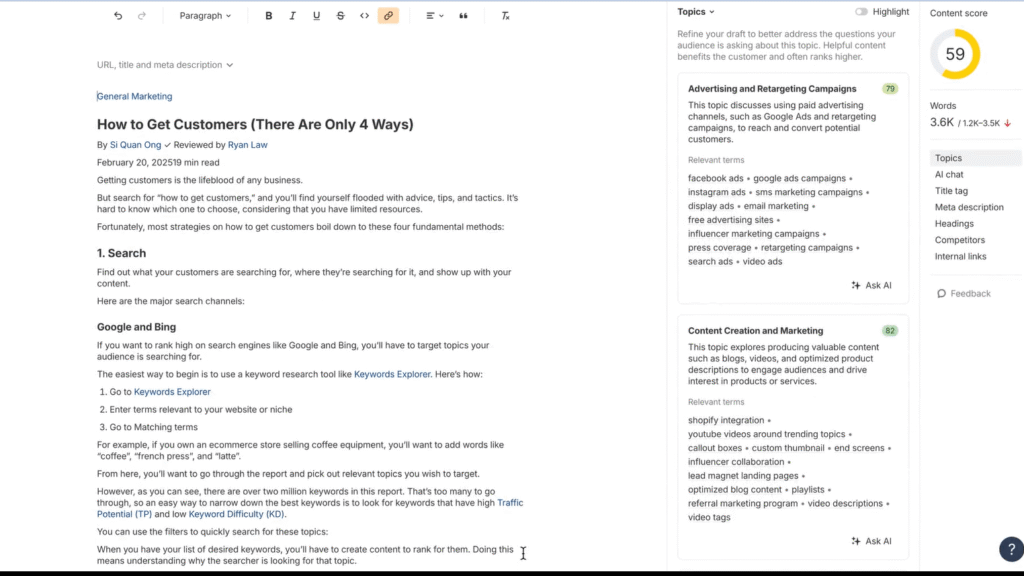
Semrush has invested heavily in content tooling. The SEO Writing Assistant scores content against top-ranking competitors in real time, flagging readability, keyword usage, and originality issues as you write. The Content Audit tool crawls existing pages and surfaces underperforming content with actionable recommendations.
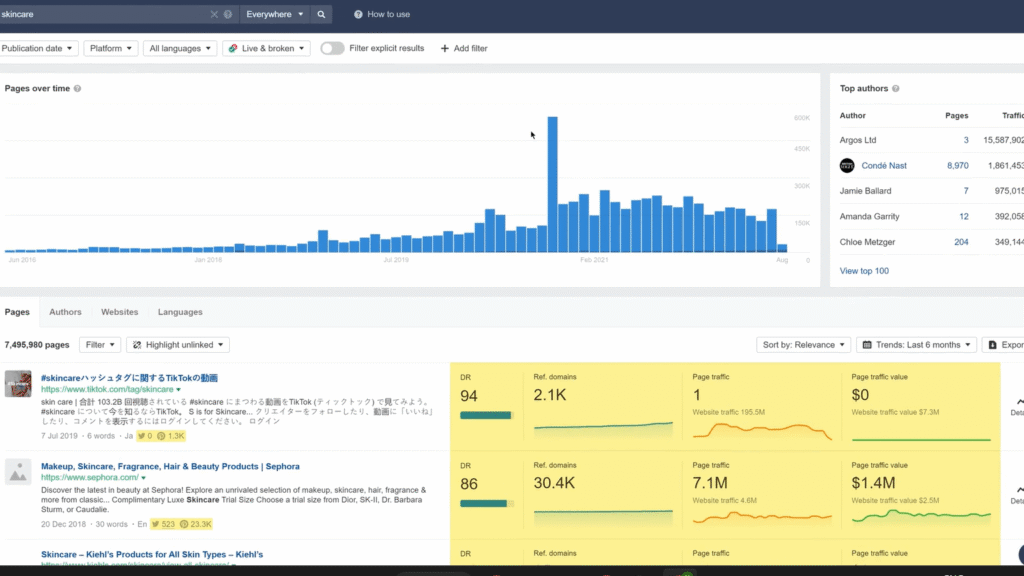
Ahrefs counters with arguably the best Content Gap analysis in the comparison. The ability to find keywords competitors rank for that you don’t — filtered by traffic potential, keyword difficulty, and SERP feature presence — is a genuinely efficient way to build a content roadmap. The workflow is manual compared to Semrush’s automated clustering, but the underlying data quality is strong.
SpyFu has minimal content marketing tooling beyond basic keyword discovery. It’s not positioned for this use case.
Winner: Semrush for content teams. Ahrefs for content gap strategy.
Local SEO Capabilities
Local SEO has become a more contested feature area as all three tools have expanded in this direction — though unevenly.
| Feature | Ahrefs | Semrush | SpyFu |
|---|---|---|---|
| Local rank tracking | Yes | Yes | Limited |
| GBP (Google Business Profile) management | No | Yes | No |
| Citation tracking | No | Yes | No |
| Local keyword research | Moderate | Strong | Weak |
| Map pack visibility tracking | No | Yes | No |
Semrush’s local SEO suite is the most complete of the three. The ability to manage Google Business Profile listings, track map pack visibility, and monitor local citations from within the platform makes it the practical choice for agencies or in-house teams with local SEO as a core deliverable.
Ahrefs covers local rank tracking adequately but lacks the broader local ecosystem tools. SpyFu’s local capabilities are minimal — this is not a meaningful part of its feature set.
Winner: Semrush — no close competition in this category.
Read full Ahrefs vs Spyfu review
User Interface and Learning Curve
This is subjective, but it matters — especially for teams onboarding new members or agencies with clients who occasionally log in themselves.
Ahrefs User Interface
Ahrefs runs a clean, focused interface. Data surfaces logically. New users can run a meaningful competitor analysis within their first session. The learning curve steepens for advanced features like Content Explorer filtering and Link Intersect workflows, but the core tools are genuinely approachable. Dashboard customization is more limited compared to Semrush.
User Interface of Semrush
Semrush is feature-rich to the point of overwhelming on first encounter. The left navigation contains more than 50 distinct tools spanning SEO, PPC, content, social, and competitive intelligence. For power users, that breadth is a real asset. For new users or those with narrow use cases, it creates friction. The My Reports builder and customizable dashboards are genuinely useful for agency reporting once properly configured.
Spyfu User Interface
SpyFu is arguably the most accessible of the three for a first-time user with a specific question — “what keywords is my competitor bidding on?” is answerable in under two minutes. The simplicity that makes it easy to start also limits what you can accomplish once you need more analytical depth.
| Dimension | Ahrefs | Semrush | SpyFu |
|---|---|---|---|
| Onboarding ease | ⭐⭐⭐⭐ | ⭐⭐⭐ | ⭐⭐⭐⭐⭐ |
| Power user depth | ⭐⭐⭐⭐⭐ | ⭐⭐⭐⭐⭐ | ⭐⭐⭐ |
| Agency reporting | ⭐⭐⭐ | ⭐⭐⭐⭐⭐ | ⭐⭐⭐ |
| Mobile usability | ⭐⭐⭐ | ⭐⭐⭐ | ⭐⭐⭐ |
Winner: Semrush for agencies and teams. SpyFu for simplicity. Ahrefs comfortably in the middle.
Pricing Comparison (April 2026)
Pricing structures have shifted notably over the past 18 months. All three tools now use seat-based or usage-based limits that make direct comparison more complex than headline plan prices suggest.
| Plan Tier | Ahrefs | Semrush | SpyFu |
|---|---|---|---|
| Entry-level | $129/mo (Lite) | $139.95/mo (Pro) | $39/mo (Basic) |
| Mid-tier | $249/mo (Standard) | $249.95/mo (Guru) | $79/mo (Professional) |
| Agency/Enterprise | $449/mo+ (Advanced) | $499.95/mo (Business) | $299/mo (Team) |
| Annual discount | ~20% | ~17% | ~40% |
Important pricing caveats:
- Ahrefs Lite caps crawl credits and restricts historical data access — the $249 Standard plan is the realistic entry point for most professionals doing serious SEO work
- Semrush Pro limits you to 5 projects and 500 tracked keywords — agencies will realistically need Guru ($249.95) or Business ($499.95) to operate without constant friction
- SpyFu’s $39 entry point is genuinely accessible, but the Basic plan restricts export volume and historical data depth significantly — most serious PPC researchers end up on the Professional plan at $79/mo
- Annual billing discounts are most aggressive at SpyFu (~40%), making it substantially cheaper on a committed annual basis
Total cost over 12 months (mid-tier annual billing):
| Tool | Monthly (billed annually) | Annual Total |
|---|---|---|
| Ahrefs Standard | ~$199/mo | ~$2,388 |
| Semrush Guru | ~$207/mo | ~$2,484 |
| SpyFu Professional | ~$47/mo | ~$564 |
SpyFu’s price-to-value ratio for PPC-focused users is difficult to argue with. For full-stack SEO work, the gap between Ahrefs and Semrush is narrow enough that pricing alone shouldn’t drive the decision — feature fit should.
Winner: SpyFu on price. Ahrefs and Semrush are comparable.
Read full Ahrefs vs SE Ranking comparison
Data Freshness and Index Size (2026 Benchmarks)
Both Ahrefs and Semrush have significantly expanded their link indexes over the past two years. Verified figures from published sources as of Q1 2026:
| Metric | Ahrefs | Semrush | SpyFu |
|---|---|---|---|
| Known backlinks in index | 27 B | 36B | Not publicly disclosed |
| Referring domains indexed | 800M+ | 1B+ | Not publicly disclosed |
| Crawl frequency (active domains) | Every 15–30 min | Every 24–48 hrs | Weekly or less |
| Keyword database size | 25B+ keywords | 25B+ keywords | Smaller, undisclosed |
A note on interpreting these numbers: raw index size does not equal data quality. Semrush’s larger raw link count includes a higher proportion of low-quality and spam links that require additional filtering to make actionable. Ahrefs places a stronger emphasis on index quality — prioritizing live, relevant links over sheer volume. In our live testing, Ahrefs surfaced more actionable backlink opportunities despite Semrush’s larger stated index.
Both tools maintain comparable keyword database sizes at 25 billion+ keywords. The meaningful differentiation sits in how each tool processes and surfaces that data — not in raw numbers.
Integrations and API Access
For teams building custom dashboards, automating reporting pipelines, or connecting SEO data to broader marketing analytics stacks, integration depth matters considerably.
| Integration | Ahrefs | Semrush | SpyFu |
|---|---|---|---|
| Google Analytics 4 | Yes | Yes | Limited |
| Google Search Console | Yes | Yes | No |
| Google Looker Studio | Yes | Yes | Limited |
| API access | Yes (paid add-on) | Yes (included higher tiers) | Yes (limited) |
| Zapier / automation | Limited | Yes | Limited |
| White-label reporting | No | Yes | No |
Semrush holds a clear advantage for agency workflows that require white-label reporting, automated client dashboards, or deep integration with Google’s ecosystem. The Looker Studio connector in particular is mature and well-maintained — a genuine operational asset for agencies managing multiple client accounts simultaneously.
Ahrefs’ API is functional but positioned as a paid add-on rather than a standard inclusion, which creates friction for teams that want to build custom data pipelines without significantly increasing their tool spend.
SpyFu’s integration story is thin. It works well as a standalone research tool but doesn’t fit neatly into automated reporting or multi-platform analytics workflows.
Winner: Semrush — particularly for agency and enterprise use cases.
Read my SE Ranking vs Semrush comparison
Customer Support and Documentation
| Support Channel | Ahrefs | Semrush | SpyFu |
|---|---|---|---|
| Live chat | Yes | Yes | Yes |
| Email support | Yes | Yes | Yes |
| Phone support | No | Yes (higher tiers) | No |
| Help documentation | Extensive | Extensive | Moderate |
| Video training library | Strong (Ahrefs Academy) | Strong (Semrush Academy) | Basic |
| Community / forum | Active | Active | Limited |
| Response time (our test) | ~4 hours | ~2 hours | ~8 hours |
Both Ahrefs and Semrush maintain genuinely useful free learning resources. Ahrefs Academy and Semrush Academy both offer structured courses that go well beyond basic tool tutorials — covering SEO fundamentals, content strategy, and technical optimization in enough depth to function as legitimate training resources for junior team members.
Semrush’s support response times were fastest in our testing, and phone support availability on Business plans is a meaningful differentiator for enterprise clients who need escalation paths beyond chat and email.
SpyFu’s support is adequate for a tool at its price point, but documentation depth and training resources don’t match the two larger platforms.
Winner: Semrush — on response time, phone support, and training depth.
Which tool is best for small businesses?
For small businesses with limited budgets and straightforward SEO needs, the decision tree looks like this:
- Primary focus is organic SEO with some link building: Start with Ahrefs Lite at $129/month. It covers the fundamentals well and the interface won’t overwhelm a non-specialist.
- Running Google Ads alongside basic SEO: SpyFu Professional at $79/month delivers strong PPC intelligence at a price point that makes sense for smaller operations. Pair it with Google Search Console’s free data for organic tracking.
- Need one tool to cover everything including reporting: Semrush Pro at $139.95/month is the most complete entry-level option, though the 5-project and 500-keyword limits will become constraints as your operation grows.
The most common mistake small businesses make is over-investing in tooling before they have the content volume, link building activity, or keyword portfolio to justify it. Google Search Console paired with a single mid-tier SEO tool covers 80% of what most small businesses actually need.
Which tool handles AI Overview tracking best?
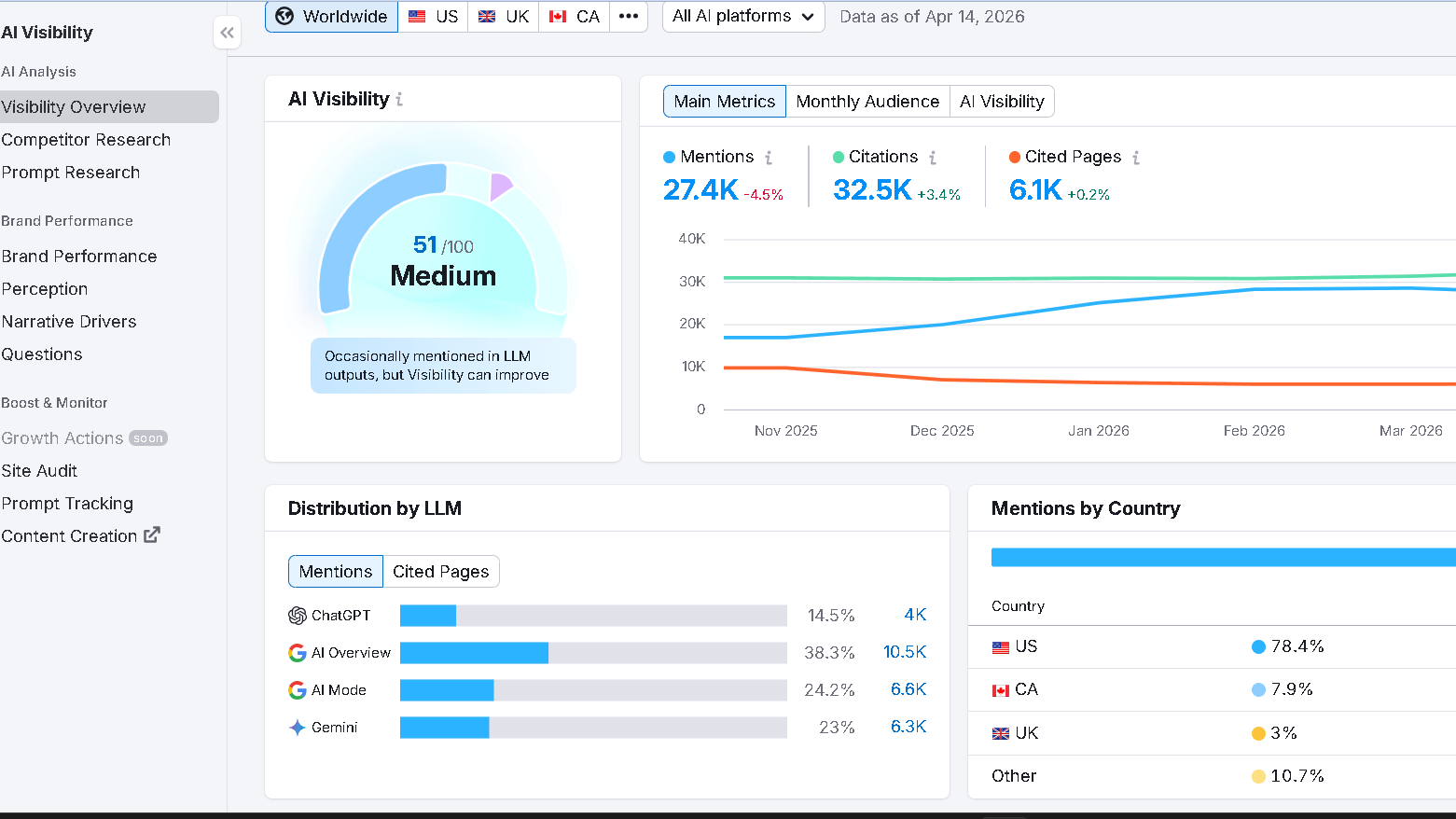
Both Ahrefs and Semrush added AI Overview visibility features in Q1 2026, allowing you to see which tracked keywords trigger AI-generated answers in Google search results. This matters because AI Overviews measurably suppress click-through rates on affected queries — sometimes dramatically. Knowing which of your target keywords are affected allows you to reprioritize toward queries where organic clicks are still flowing.
Semrush’s implementation is slightly more integrated into its broader keyword workflow, surfacing AI Overview presence directly within keyword research rather than only in rank tracking. Ahrefs surfaces it more prominently within the rank tracker itself. Neither implementation is definitively superior — it depends on where in your workflow you want the signal to appear.
SpyFu has not yet added AI Overview detection as of April 2026, which is a meaningful gap as this feature becomes increasingly central to modern keyword prioritization.
Read my article about Best rank tracking tools AI overviews
How accurate are the traffic estimates from these tools?
This is one of the most misunderstood aspects of SEO tooling. All three platforms estimate organic traffic based on keyword rankings and assumed click-through rates — none of them have direct access to actual traffic data from your competitors’ Google Analytics or Search Console accounts.
In our testing, connecting each tool’s traffic estimates to Google Search Console data for our own domains revealed the following accuracy ranges:
| Tool | Traffic Estimate Accuracy (vs. GSC actuals) |
|---|---|
| Ahrefs | Within 20–35% on average |
| Semrush | Within 25–40% on average |
| SpyFu | Within 30–50% on average |
These ranges are typical for the industry — no tool estimates competitor traffic with high precision. The practical implication is that traffic estimates should be used for directional comparison rather than absolute numbers. A competitor showing 50,000 estimated monthly visits versus your 5,000 is a meaningful signal. Whether their actual number is 38,000 or 67,000 is less important than understanding the order-of-magnitude gap.
Traffic Estimate Accuracy vs Google Search Console
Average deviation range from actual GSC traffic data
Ahrefs’ Traffic Potential metric — which models realistic traffic at rank one accounting for AI Overview suppression and SERP feature competition — is a more useful planning input than raw search volume in 2026’s search environment.
Use Case Recommendations: Who Should Use What
Stop trying to find one tool that does everything equally well. None of them do. Here’s how to think about the decision based on your actual work:
Choose Ahrefs if:
- Link building is central to your SEO program. No tool matches Ahrefs for backlink discovery speed, index quality, and lost link alerts.
- You work on competitive, high-stakes organic campaigns where ranking accuracy and traffic modeling precision directly affect decisions.
- You want accurate traffic estimates rather than raw search volume — particularly relevant in 2026’s AI Overview-heavy search environment.
- Your team is small or mid-sized and you want a clean, focused tool without the overhead of navigating 50+ features you’ll never use.
Choose Semrush if:
- You run an agency managing multiple clients across SEO, PPC, and content simultaneously.
- You need an all-in-one platform that covers keyword research, technical audits, rank tracking, content optimization, social monitoring, and competitive intelligence without stitching together multiple tools.
- Client reporting is a significant part of your workflow — Semrush’s white-label reporting and Looker Studio integration are best-in-class for this use case.
- You publish content at scale and need automated keyword clustering, content briefs, and topic research built into your workflow.
- You need deep PPC + organic overlap analysis to understand where competitors are investing across both channels simultaneously.
Choose SpyFu if:
- Google Ads management is your primary focus and you need deep historical competitor ad intelligence that neither Ahrefs nor Semrush fully replicates.
- You’re budget-constrained and need actionable competitive intelligence without committing to a $200+/month platform.
- You work in a niche with stable, long-running PPC competition where historical ad data reveals proven messaging and keyword strategies worth modeling.
- You use it as a complement to Ahrefs or Semrush rather than a replacement — SpyFu’s PPC depth paired with Ahrefs’ backlink intelligence, for example, covers a wide range of use cases at a combined cost that often undercuts Semrush Business pricing.
Ahrefs vs SpyFu vs Semrush:Head-to-Head Score
After six weeks of live testing across three domains, here’s our final scoring across all evaluated dimensions:
| Category | Ahrefs | Semrush | SpyFu |
|---|---|---|---|
| Backlink Analysis | ⭐⭐⭐⭐⭐ | ⭐⭐⭐⭐ | ⭐⭐ |
| Keyword Research | ⭐⭐⭐⭐ | ⭐⭐⭐⭐⭐ | ⭐⭐⭐ |
| Rank Tracking | ⭐⭐⭐⭐⭐ | ⭐⭐⭐⭐ | ⭐⭐⭐ |
| Technical SEO Audit | ⭐⭐⭐ | ⭐⭐⭐⭐ | ⭐ |
| PPC / Ad Intelligence | ⭐⭐ | ⭐⭐⭐⭐ | ⭐⭐⭐⭐⭐ |
| Competitor Analysis | ⭐⭐⭐⭐ | ⭐⭐⭐⭐⭐ | ⭐⭐⭐⭐ |
| User Interface | ⭐⭐⭐⭐ | ⭐⭐⭐ | ⭐⭐⭐⭐ |
| Agency / Reporting Features | ⭐⭐ | ⭐⭐⭐⭐⭐ | ⭐⭐ |
| Integrations | ⭐⭐⭐ | ⭐⭐⭐⭐⭐ | ⭐⭐ |
| Customer Support | ⭐⭐⭐⭐ | ⭐⭐⭐⭐⭐ | ⭐⭐⭐ |
| Pricing Value | ⭐⭐⭐ | ⭐⭐⭐ | ⭐⭐⭐⭐⭐ |
| Data Freshness | ⭐⭐⭐⭐⭐ | ⭐⭐⭐⭐ | ⭐⭐⭐ |
| Overall Score | 8.8/10 | 8.6/10 | 7.2/10 |
SpyFu vs Semrush vs Ahrefs: Final Verdict
Ahrefs remains the strongest choice if backlink intelligence and rank tracking accuracy are your primary needs. The data quality is the best in this comparison and has been consistently so across multiple testing cycles.
Semrush wins on breadth. For agencies managing diverse client needs — local SEO, content strategy, PPC oversight, and technical audits — under one platform, nothing in this comparison matches its feature coverage.
SpyFu is a focused tool with a genuine best-in-class capability in PPC competitive research. At its price point, it earns a place in the toolkit of anyone running paid search alongside SEO — but it cannot stand alone as a primary SEO platform.
If forced to choose one: Semrush for agencies, Ahrefs for specialists.
If budget allows two: Ahrefs + Semrush for full coverage, or Ahrefs + SpyFu if PPC intelligence matters and you want to keep costs down.
Frequently Asked Questions
For most professionals, no. SpyFu’s organic keyword data and backlink coverage are too limited to support a full SEO workflow. It works best as a complement to Ahrefs or Semrush, specifically for PPC research and competitor ad intelligence.
Ahrefs has a gentler initial learning curve for core SEO tasks. Semrush’s breadth can be disorienting early on. That said, Semrush’s onboarding resources and documentation have improved considerably — most users find their footing within a few weeks.
Both Ahrefs and Semrush now flag AI Overview appearances in rank tracking — a feature added by both platforms in late 2025 and early 2026 in response to the significant click-through rate impact these results have on organic traffic. SpyFu does not currently track this.
No. Semrush integrates with Google Analytics and surfaces GA data within its interface, but it does not replace it. Think of the integration as a way to contextualize SEO performance with traffic data — not a substitute for GA4 itself.
Ahrefs raised prices in late 2024 and restructured its credit system. The consensus among power users is that the data quality — particularly backlink freshness and rank tracking accuracy — justifies the cost for teams where those capabilities drive revenue.
Methodology Notes
All testing was conducted between January and mid-February 2026 across three live websites with distinct domain authority levels and niches. Backlink detection tests used a controlled set of newly acquired links with known publication dates to measure tool detection speed. Rank tracking accuracy was validated against manual SERP checks conducted from a clean browser environment using a residential IP to minimize personalization bias. Keyword research comparisons used identical seed terms run within the same 24-hour window to control for index freshness differences.
No affiliate relationships influenced the scoring or recommendations in this comparison. All tools were purchased at standard retail pricing.