
Ahrefs and Moz have competed for over a decade, and AI search tracking has reshaped that comparison in 2026 more than I expected.
Ahrefs wins for professional SEO work. The largest backlink index of the two, the most accurate keyword difficulty scores, multi-engine AI Overview tracking, and sharp competitive intelligence tools at its price point.
Moz Pro is more capable than its reputation suggests. Lower starting price, the easiest learning curve I have tested on any major platform, the industry-standard DA metric, and ChatGPT brand visibility tracking that Ahrefs does not offer.
I tested both at the same time on nenawow.com, a real niche site with 220 posts and roughly 1,000 monthly organic visits, for 30 days in April 2026. Same keywords, same competitors, same crawl settings. Here is what I found.
Nena’s Quick Verdict
- Best Overall → Ahrefs
- Best for Beginners → Moz
- Best Budget Stack → Moz + Ahrefs Webmaster Tools
- Best for Link Building → Ahrefs
- Best for Content Optimization → Moz
Disclaimer: I may earn a small commission on purchases made through links on this page, at no extra cost to you. This supports honest, independent reviews.
Table of Contents
Quick Comparison: Moz vs Ahrefs
| Feature | Ahrefs | Moz Pro |
|---|---|---|
| Best For | Pure organic SEO, link building | Beginners, content teams, DA reporting |
| Backlink Index | Largest tested (2,700 backlinks found) | Basic (882 found) |
| Referring Domains Found | 1,300 | 360 |
| Keyword Difficulty Accuracy | High (KD 54) | Optimistic (KD 35) |
| Keyword Database | Billions across 170+ countries | Smaller, fewer opportunities returned |
| Site Audit Style | Grouped, prioritized (173 issues) | Instance-by-instance (2,853 issues) |
| Orphaned Page Detection | Yes, 45 found | No |
| Internal Link Map | Yes | No |
| Core Web Vitals | No | No |
| AI Tracking | Multi-engine (Google, Bing Copilot) | ChatGPT mentions |
| PPC Data | No | No |
| Content Writing Tools | Analysis only | Page Optimization + Prompt Suggestions |
| White-Label Reporting | No | No |
| Domain Authority Metric | Domain Rating (DR) | DA (industry standard) |
| Starting Price | $129/mo | $99/mo |
| Free Option | Webmaster Tools (permanent, no card) | 30-day trial |
| Learning Curve | Steep | Low |
Moz vs Ahrefs: Decision Guide
| Your Situation | Best Tool |
|---|---|
| Link building is core to your strategy | Ahrefs |
| Need the most accurate keyword difficulty | Ahrefs |
| Multi-engine AI Overview tracking | Ahrefs |
| Competitive backlink gap analysis | Ahrefs |
| New to SEO, learning the basics | Moz Pro |
| Tracking ChatGPT brand mentions | Moz Pro |
| Communicating DA to clients or publishers | Moz Pro |
| On-page content briefs and optimization | Moz Pro |
| Solo blogger, tight budget | Moz Pro (or Ahrefs free tools) |
| Zero budget, verified domain | Ahrefs Webmaster Tools (free) |
| Running paid search alongside organic | Neither. See the Semrush comparison |
Testing Methodology
Site: nenawow.com, a two-year-old niche site covering AI and SEO topics. 220 published posts, zero paid traffic, roughly 1,300 referring domains at the start.
Baseline: ~1,000 monthly organic visits confirmed through Google Search Console, my reference point throughout. Tool traffic estimates were noted but not treated as ground truth.
Test conditions: Both tools ran at the same time, identical parameters. 30 keywords tracked, the same three competitor domains, the same crawl settings, nothing adjusted mid-test.
Duration: 30 days, April 2026.
Honest caveat: smaller sites show data gaps more sharply than enterprise sites. Treat everything below as directional, not a controlled lab study.
What Surprised Me Most During Testing
The noindex issue Ahrefs caught in week one had the biggest impact on traffic of anything either tool surfaced. Six posts had been invisible to Google for who knows how long. Fixing that one thing moved the needle more than any keyword or backlink decision I made the rest of the month.
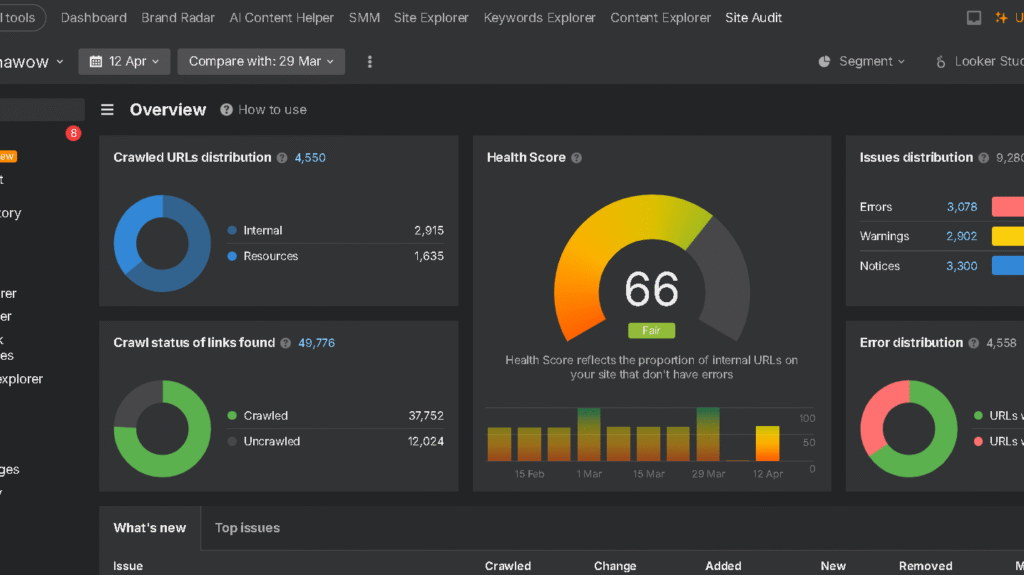
A few other things caught me off guard. Ahrefs found more than three times as many referring domains as Moz, on the same site, in the same window. I rechecked the numbers twice because the gap looked too large to be real. It was real.
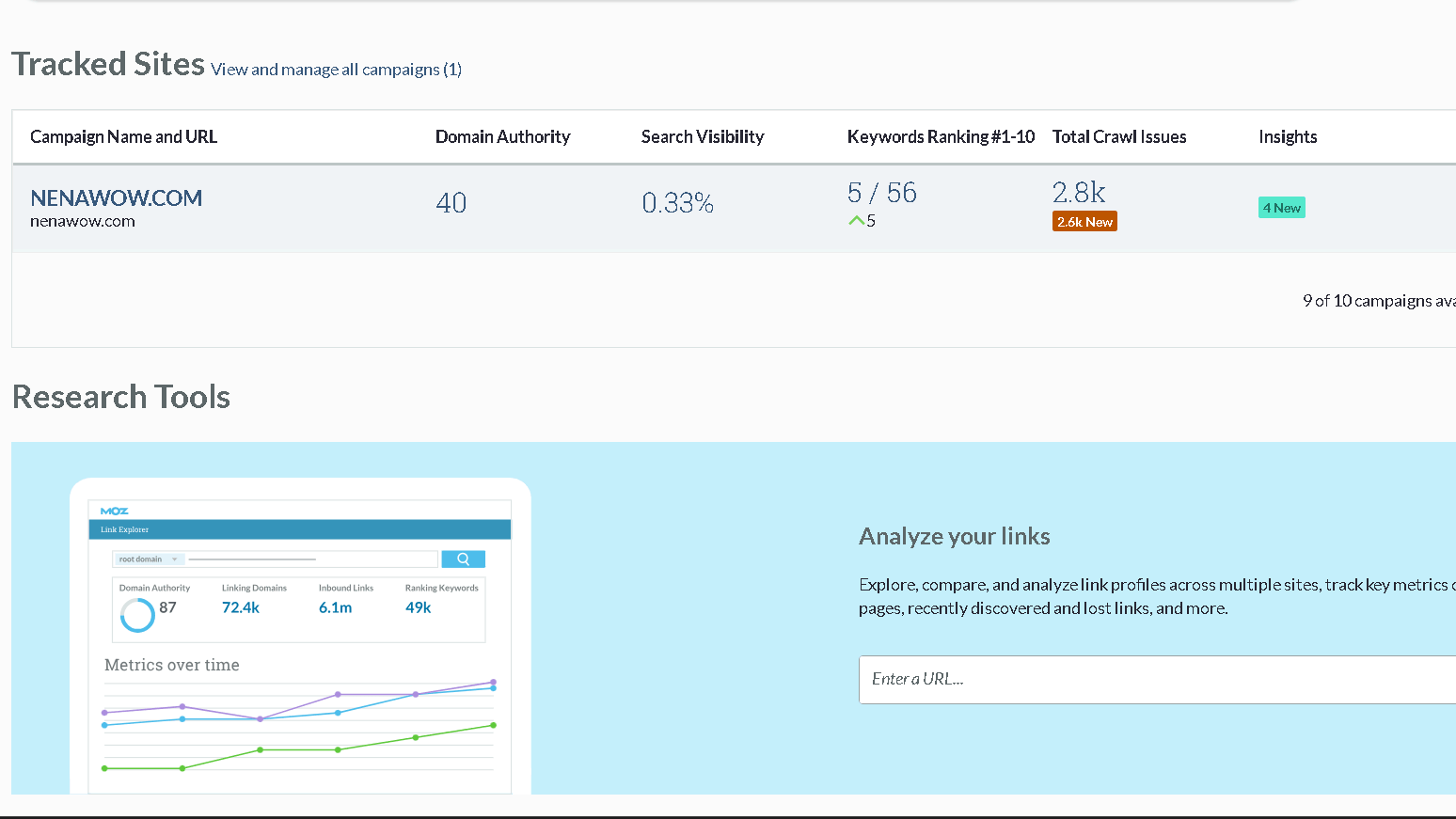
Moz’s keyword difficulty scores ran lower than I expected, and a 19-point gap on a single keyword is not a rounding error. Moz’s content tools also outperformed my expectations. I had written Moz off as the “easy mode” platform before this test. The prompt suggestion feature changed that by week two.
Ahrefs vs Moz Pro 2026: Pricing
Ahrefs Pricing
| Plan | Monthly | Annual (per month) |
|---|---|---|
| Lite | $129 | $108 |
| Standard | $249 | $208 |
| Advanced | $449 | $374 |
| Enterprise | Custom | Custom |
Free option: Ahrefs Webmaster Tools, permanent, no credit card. Real Ahrefs backlink data, site audit, and organic keyword reports for any domain you verify. More on this in my full Ahrefs review. One of the best free SEO tools available, full stop.
Moz Pro Pricing
| Plan | Monthly | Annual (per month) |
|---|---|---|
| Starter | $99 | $79 |
| Standard | $179 | $143 |
| Medium | $299 | $239 |
| Large | $599 | $479 |
Free option: 30-day trial, no permanent free tier. The MozBar browser extension is free indefinitely and shows DA and basic link metrics while you browse. More in my Moz Review, where I cover DA, keyword research, content optimization, and who should actually buy Moz in 2026.
How the Pricing Shakes Out
Moz Starter at $99 runs $30 cheaper per month than Ahrefs Lite, $360 a year. For a solo operator, that gap is real.
But both platforms gate their best tools behind higher tiers. Moz’s daily rank tracking needs Standard or above. Ahrefs’ content gap tool gets far more useful on Standard than Lite. Factor upgrade costs in, not just entry price.
The free option that changes the math: Ahrefs Webmaster Tools. Pair it with Moz Pro Starter and you get content tools plus Ahrefs-quality backlink data on your own domain for $99 a month, beating what either tool does alone at entry tier.
Keyword Research: Ahrefs vs Moz
Keyword Difficulty: Where the Gap Is Most Consequential
Testing “AI SEO tools” at the same time in both tools produced a 19-point difference in difficulty score.
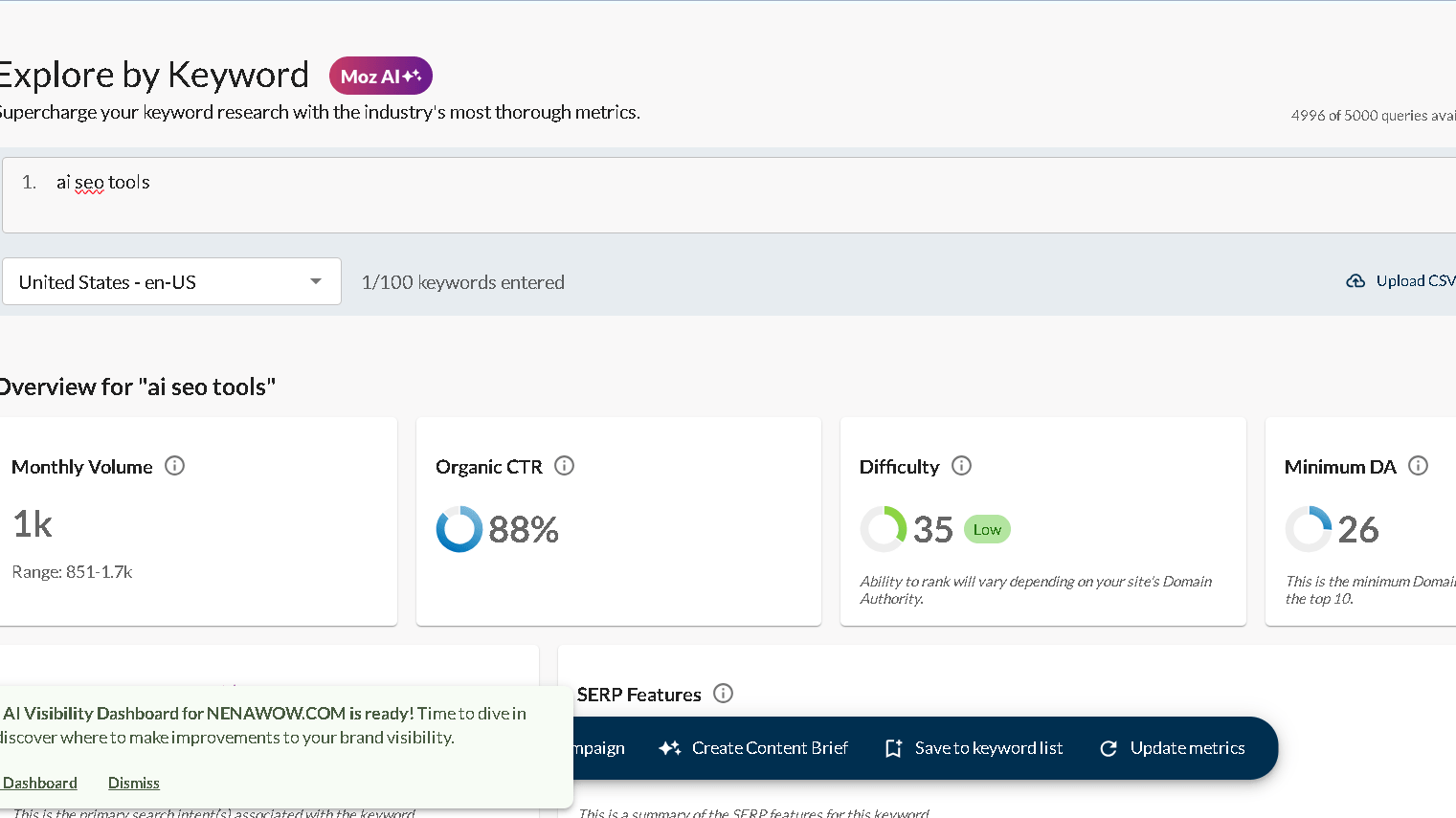
| Tool | KD Score | Accuracy vs. Real SERP | Opportunities Returned |
|---|---|---|---|
| Ahrefs | 54 | Accurate | 18 |
| Moz Pro | 35 | Optimistic | Limited |
KD 35 reads as an invitation to publish and expect results. KD 54 says you need real domain authority first. Building a content calendar around Moz’s number without checking the SERP by hand risks burning real time and budget.
Why Moz scores lower: its algorithm leans on Page Authority of currently ranking pages. Ahrefs factors in the actual backlink profiles behind those pages, which produces more conservative, more predictive scores.
Ahrefs Keywords Explorer
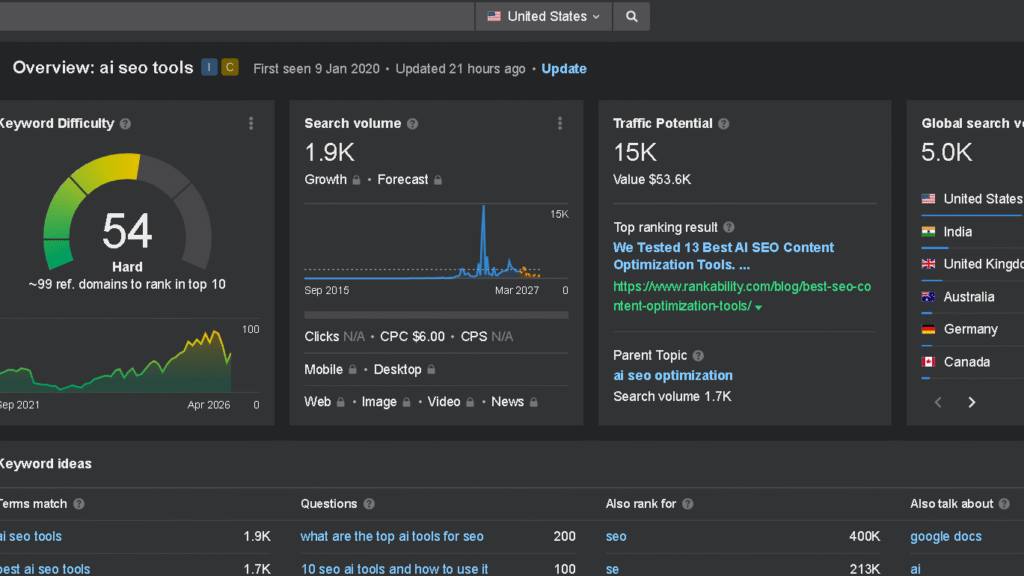
Billions of keywords across 170+ countries, with click estimates, parent topic traffic potential, and a ranking page breakdown showing exactly who you would have to beat. The parent topic feature redirects your strategy toward the broader query driving the most traffic instead of the narrow variant you started with.
For “AI SEO tools,” Ahrefs returned 18 opportunities, conservative but well calibrated. One was a gap around AI Overview rank tracking tools, a topic I had not planned to cover. That gap later became a published article on nenawow.com, part of my AI visibility cluster.
Moz Keyword Explorer
The cleanest interface of the two. Moz’s Priority score combines volume, difficulty, and CTR opportunity into one number, removing a mental step that trips up newer users. Moz also explains its metrics in plain language, which Ahrefs does not do consistently.
What the interface does not fix is the calibration gap. A Priority score built partly on an underestimated KD can point you toward keywords that look more reachable than they are.
Winner: Ahrefs for accuracy. Moz for ease of interpretation.
Backlink Analysis: Moz vs Ahrefs
The starkest gap between the two tools.
| Tool | Backlinks Found | Referring Domains Found |
|---|---|---|
| Ahrefs | 2,700 | 1,300 |
| Moz Pro | 882 | 360 |
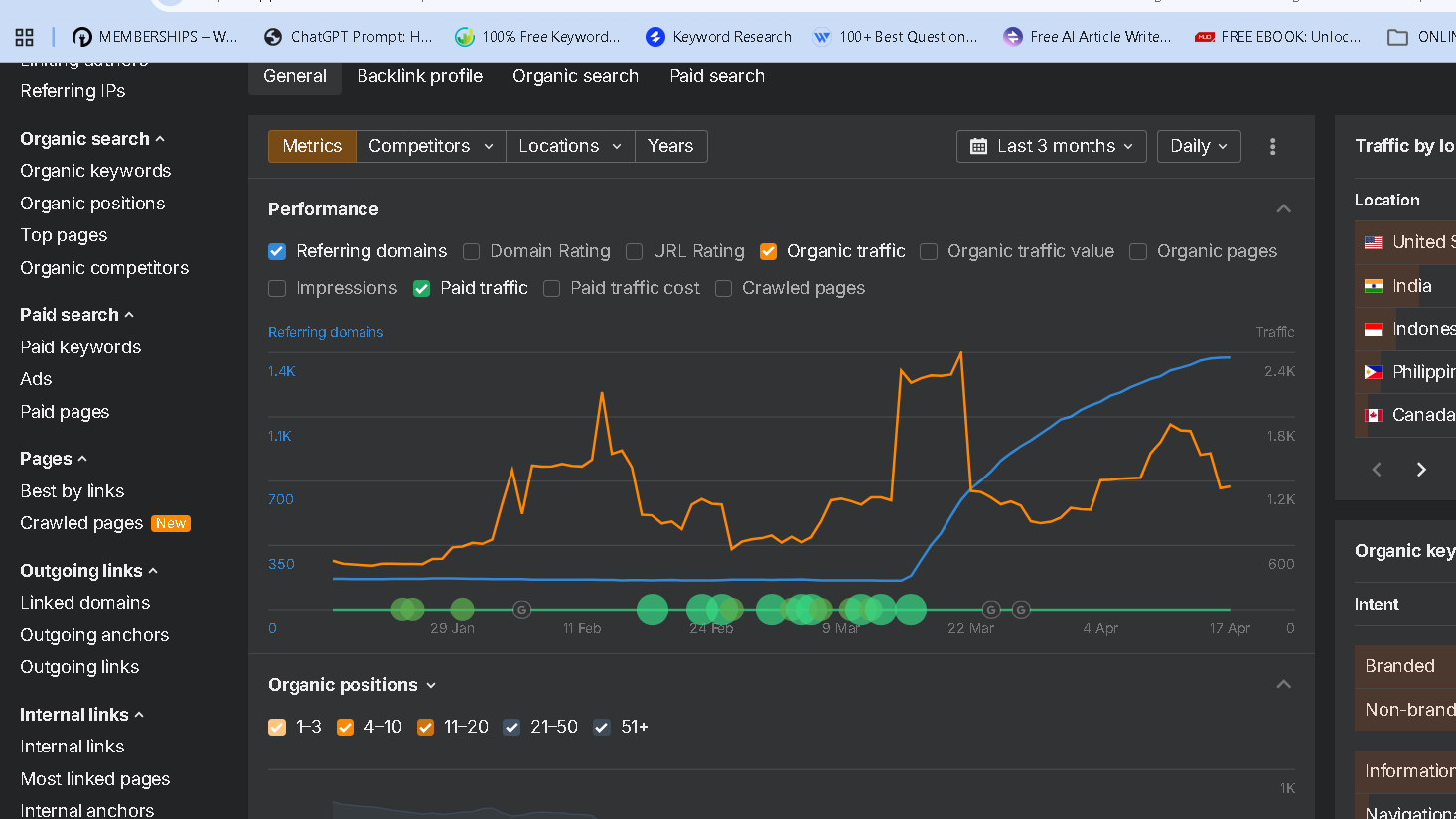
Every link I could independently verify showed up in Ahrefs. A meaningful number of confirmed domains were missing from Moz entirely. If you are mapping a competitor’s backlink profile for outreach, working from Moz’s index means roughly two-thirds of your targets stay invisible. You will not know those gaps exist, which is what makes them dangerous.
Beyond index size, Ahrefs adds historical gain and loss charts, anchor text distribution, and link velocity data, useful for spotting PR campaigns gaining traction in your niche.
Where Moz holds its ground: Domain Authority. DA is the metric journalists, advertisers, and PR teams ask for by name, not Domain Rating, not Authority Score. It has been the industry’s shared language for years.
Winner: Ahrefs, not close, on index depth. Moz on DA as a communication standard.
Technical Site Audit: Ahrefs vs Moz Pro
Two different philosophies.
| Tool | Issues Flagged | Orphaned Pages | Internal Link Map | Core Web Vitals |
|---|---|---|---|---|
| Ahrefs | 173 (grouped) | 45 detected | Yes | No |
| Moz Pro | 2,853 (per instance) | No | No | No |
Ahrefs groups related issues. Thirty-four posts missing meta descriptions show up as one finding, not 34. During the test, five findings drove almost all the meaningful action: the noindex tag, keyword cannibalization across four posts, crawl efficiency issues, 45 orphaned pages, and a link equity map showing which posts had no authority flowing to them.
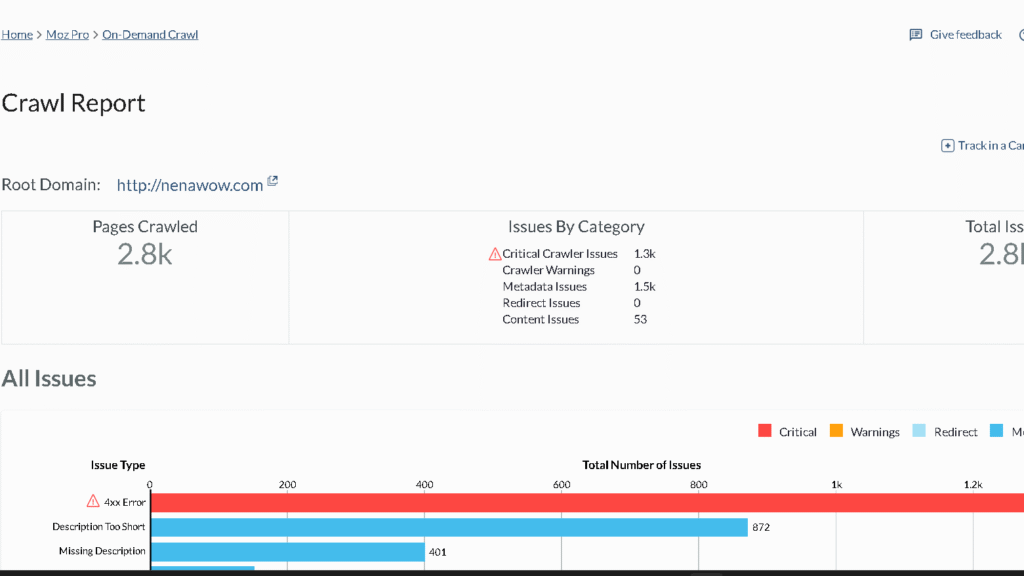
Moz logged 2,853 issues, mostly metadata flagged per page instance instead of grouped. Filtering by severity makes it manageable, but you do the prioritization work yourself. Moz does not detect orphaned pages and has no internal link visualization.
Neither tool tracks Core Web Vitals. Semrush is currently the only major platform that does, covered in my Semrush comparison.
Winner: Ahrefs. Grouped, prioritized, and it caught what Moz missed entirely.
Rank Tracking: Ahrefs vs Moz
Both update rankings daily, though Moz needs Standard or above. Position accuracy against GSC was roughly comparable.
| Metric | Ahrefs | Moz Pro |
|---|---|---|
| SERP Feature Tracking | Full | Basic |
| AI Overview Tracking | Multi-engine | No (ChatGPT only) |
| ChatGPT Mention Tracking | No | Yes |
| Cannibalization Alerts | Yes | No |
| GSC Position Accuracy | 1–2 positions | 1–3 positions |
The real difference is not position accuracy, it is SERP context. Several keywords ranking positions 4 to 6 were generating near-zero clicks because AI Overviews occupied the whole visible page. Ahrefs surfaced that immediately. Those rankings looked healthy on paper. They were not generating traffic.
So which one tells you the truth about your traffic? In this test, only one of them did.
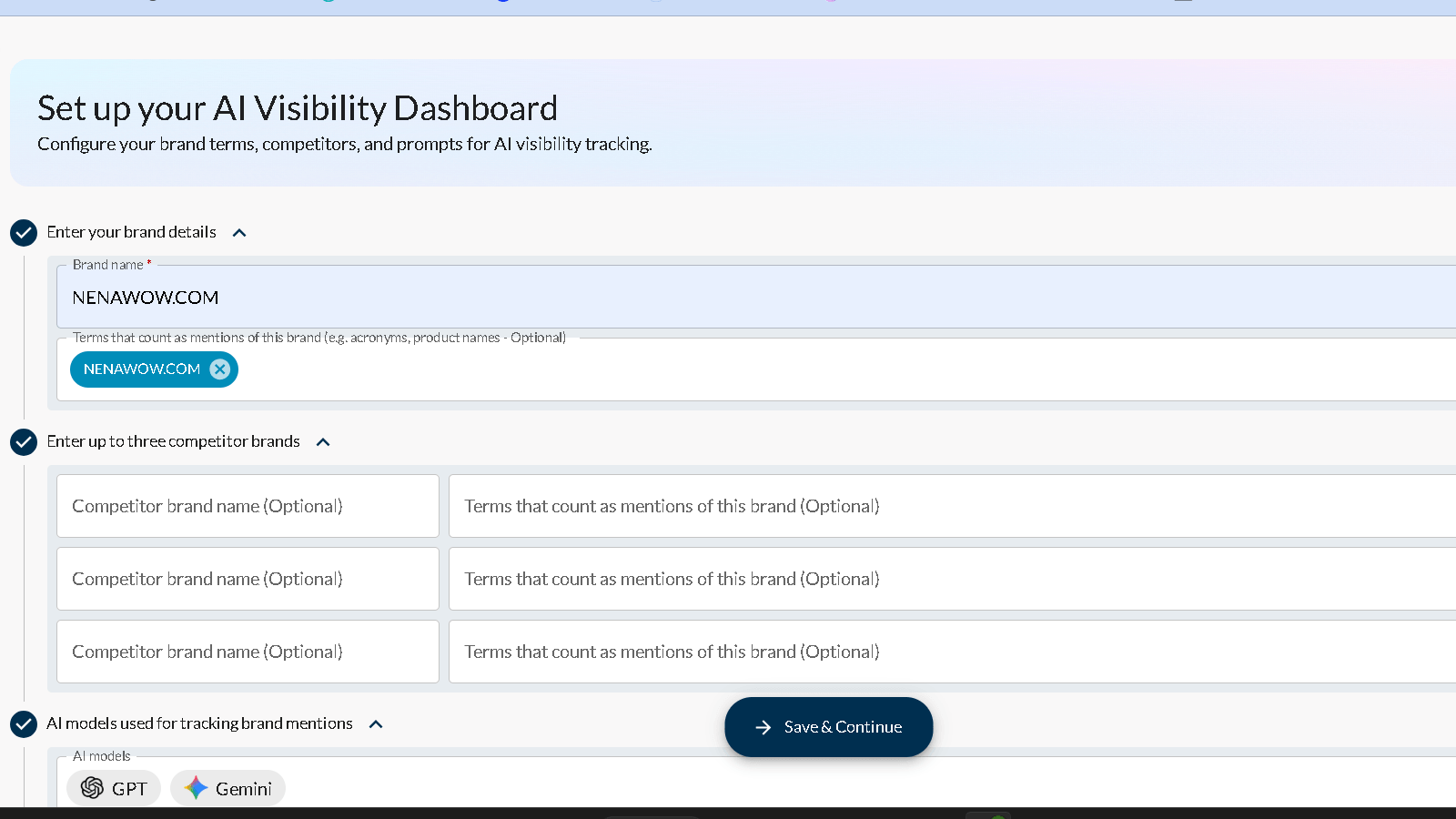
Where Moz adds something unique: ChatGPT brand mention tracking, a different signal entirely from Google AI Overviews. More about brand awareness inside AI chat than click-through, and for some brands it is the more important metric right now. I track this more closely in my AI search visibility cluster.
Winner: Ahrefs for SERP intelligence. Moz for ChatGPT brand visibility.
Competitor Analysis: Ahrefs vs Moz
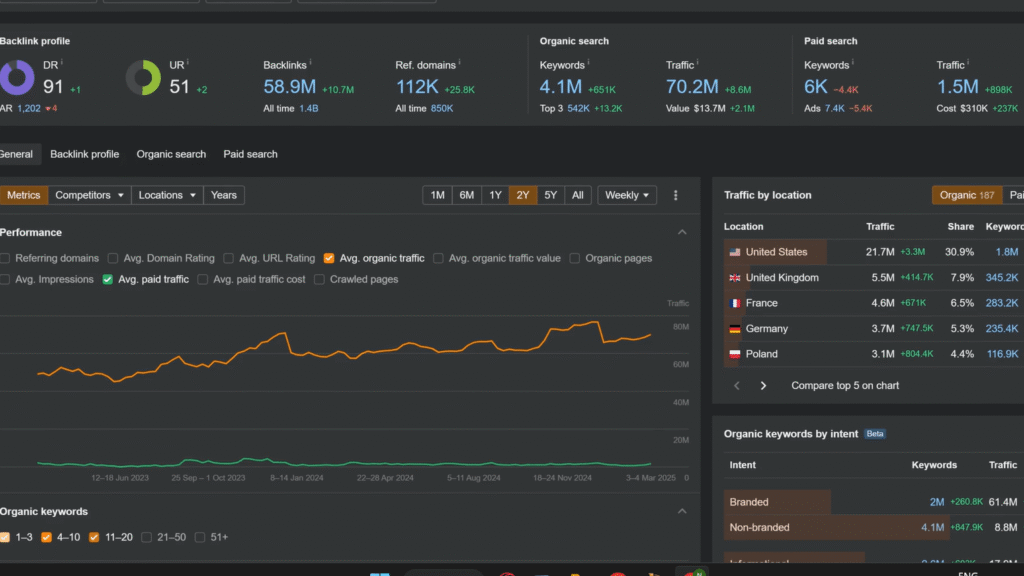
Ahrefs Site Explorer gives estimated traffic, top pages, full rankings, and traffic value for any domain. The Content Gap tool was the single highest-impact feature of the whole test: three competitors analyzed, 40-plus keyword topics found with zero coverage on my site. Several became published posts before the test ended, including the AI Overview rank tracking piece. The Backlink Gap tool surfaced 67 unique domains linking to competitors but not to nenawow.com.
Moz covers the basics through Link Intersect. The interface is cleaner, but with 360 referring domains in the index versus Ahrefs’ 1,300, the ceiling on competitive analysis sits much lower.
Winner: Ahrefs, clearly. Content Gap and Backlink Gap produced direct, measurable actions. Moz’s index limitations cap what is possible.
Content Tools and AI Tracking
The category where Moz has made the most meaningful gains, and where the comparison is genuinely more balanced than expected.
Ahrefs tracks Google AI Overviews, Bing Copilot, and other generative surfaces. It found six keywords where nenawow.com appeared in AI Overviews, none of it visible inside Google Search Console. Moz tracks ChatGPT brand mentions specifically, a different angle: not whether you appear in a Google feature, but whether ChatGPT references your brand when users ask about your topic. These are not redundant features. They answer different questions.
Ahrefs is an analysis tool, not a production tool. Content Explorer is strong for research but offers no in-tool writing help. That difference becomes even clearer in my Ahrefs vs Surfer SEO comparison, where Surfer focuses almost entirely on content optimization while Ahrefs remains primarily a research platform.
Moz has two underrated content tools: Page Optimization scores your content against top-ranking pages, and the prompt suggestion feature returns specific questions your content should address based on actual SERP data, not AI-generated copy, a structured brief.
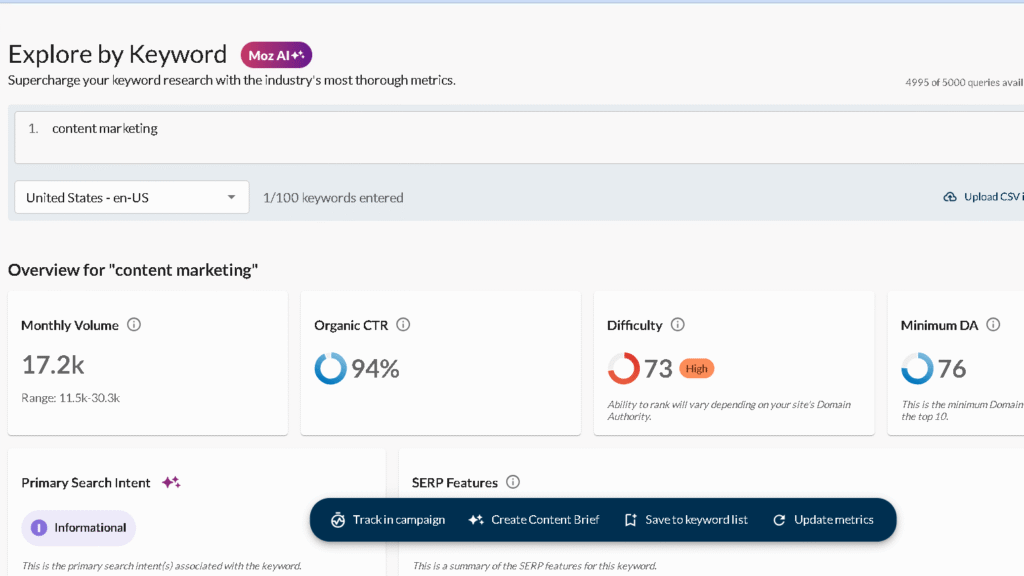
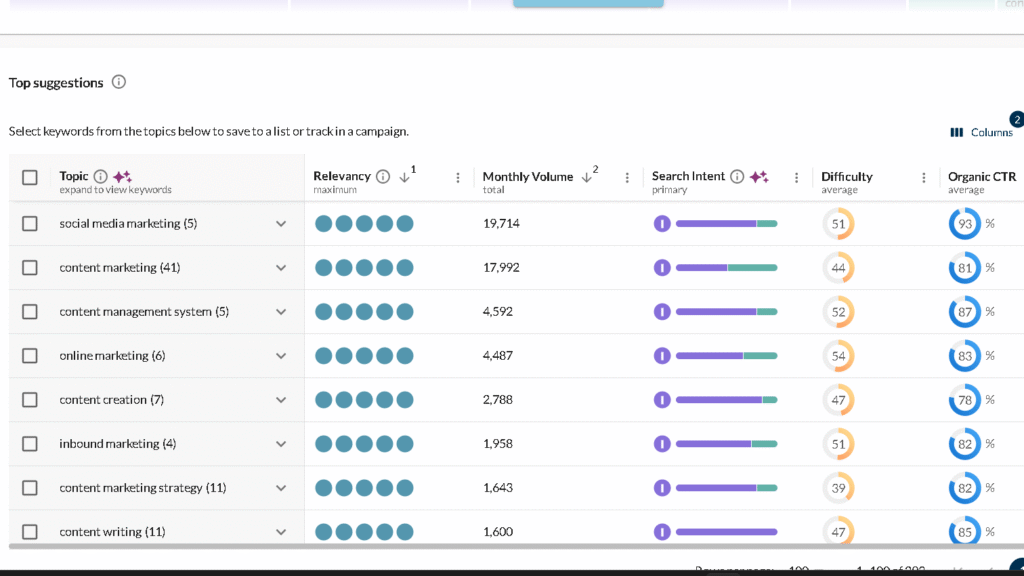
I used this directly on two posts. One was a thin AI assistant comparison guide stalled around position 14. After running it through Page Optimization and rewriting two sections, it moved into the top 10 by day 28.
| Feature | Ahrefs | Moz Pro |
|---|---|---|
| AI Tracking | Multi-engine | ChatGPT mentions |
| Content Explorer / Research | Yes | No |
| Page Optimization Scoring | No | Yes |
| Keyword Prompt Suggestions | No | Yes |
Winner: Ahrefs for multi-engine AI tracking and research. Moz for on-page guidance and ChatGPT visibility.
Advanced Features
GSC Integration: Ahrefs pulls real click and impression data to surface underperforming pages. Moz’s GSC integration is more basic.
API Access: Ahrefs offers API on higher tiers. Moz gates it behind the Medium plan at $299 a month.
Local SEO: Neither offers full local SEO management. For local SEO at any real scale, Semrush is the more consolidated option.
Domain Authority: Moz DA remains the industry’s common language for site authority. When a brand partnership or PR team asks for your DA, they mean Moz DA, not Ahrefs’ Domain Rating.
Ease of Use: Ahrefs vs Moz Pro
Moz wins by a real margin. Terminology is explained in context, and the Priority score removes a mental step for newer users. Most people can run a search and take action inside their first session.
Ahrefs is dense. Getting comfortable across Site Explorer, Keywords Explorer, Content Explorer, and Rank Tracker took me close to three weeks. Power users rate it the fastest platform for competitive research once they have mapped their workflow, but the early investment is real.
Winner: Moz for accessibility. Ahrefs for long-term workflow speed once you are past the curve.
30-Day Test Results: nenawow.com
April 2026. GSC baseline: ~1,000 monthly organic visits. 220 posts. Zero paid traffic.
| Metric | Ahrefs | Moz Pro |
|---|---|---|
| Referring Domains Found | 1,300 | 360 |
| Backlinks Found | 2,700 | 882 |
| Audit Issues Flagged | 173 (grouped) | 2,853 (per instance) |
| Orphaned Pages Detected | 45 | No |
| KD for “AI SEO tools” | 54 | 35 |
| Competitor Backlink Gaps Found | 67 domains | Limited |
What Got Fixed
I removed the noindex tags from six blocked posts, the fix Ahrefs flagged. I merged four cannibalistic posts into one consolidated article with 301 redirects, also from Ahrefs.
Also, I added meta descriptions to 34 flagged posts, caught by both tools.
I rebuilt internal linking toward the new consolidated post using the Ahrefs link equity map. I published three new posts from Ahrefs Content Gap opportunities, and refreshed two thin posts using Moz’s prompt suggestion output, one of which climbed from position 14 into the top 10.
Day 30 Results
| Metric | Day 1 | Day 30 | Change |
|---|---|---|---|
| Monthly Organic Visits | ~1,000 | ~1,340 | +34% |
| Keywords in Top 10 | 18 | 27 | +9 |
| Keywords in Top 3 | 4 | 7 | +3 |
| Crawl Errors | 173 | 41 | −132 resolved |
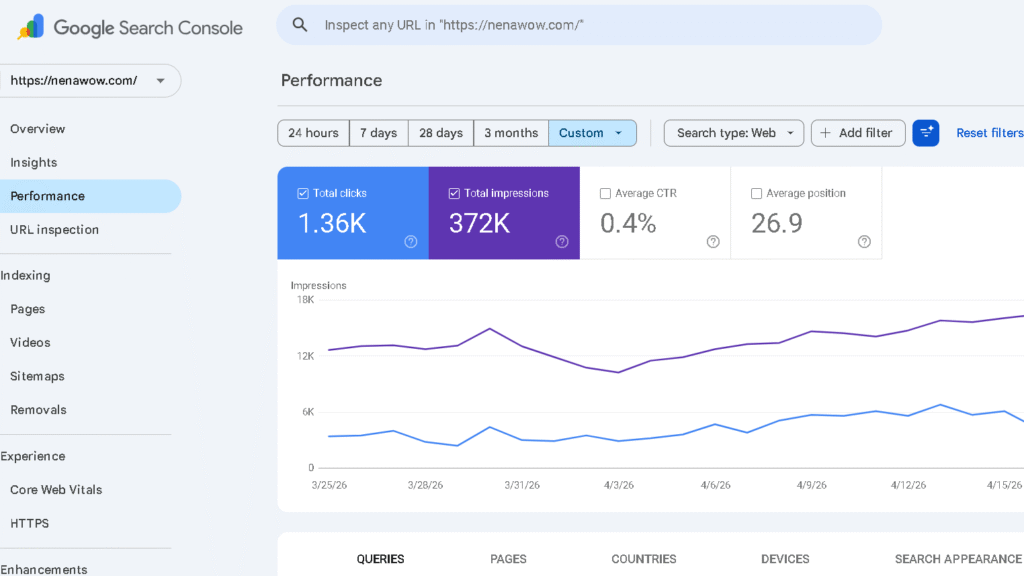
The noindex fix was almost certainly responsible for the largest share of the traffic recovery. Six posts suddenly indexing again is a big event for a 220-post site. SEO attribution is never clean. Treat these numbers as directional, not a controlled experiment.
Ahrefs: Pros and Cons
Ahrefs Pros
- Largest backlink database of the two tools tested.
- Excellent competitive research through Content Gap and Backlink Gap.
- Strong multi-engine AI Overview tracking across Google and Bing.
- More accurate keyword difficulty scoring than Moz.
- Detects orphaned pages and visualizes internal link opportunities.
- Groups audit issues by priority, making technical SEO easier to manage.
Ahrefs Cons
- Expensive once you need Standard-tier features.
- Steeper learning curve than Moz, often requiring two to four weeks to master.
- No PPC research or advertising data.
- Some valuable features, such as Content Gap, are buried deeper in the interface than they should be.
- Can feel overwhelming for beginners who only need basic SEO functionality.
- No white-label reporting for agencies.
Moz: Pros and Cons
Moz Pros
- Easiest SEO platform to learn that I have tested.
- Lower entry price at $99 per month.
- Strong content optimization through Page Optimization and prompt suggestions.
- Owns Domain Authority (DA), still the industry’s most recognized authority metric.
- Clean interface with excellent onboarding for beginners.
- Keyword research metrics are easier to understand than most competitors.
Moz Cons
- Smaller backlink index, finding only 360 referring domains versus Ahrefs’ 1,300 in this test.
- Weaker competitor research due to the smaller link database.
- Keyword difficulty scores tend to be optimistic and require manual SERP validation.
- No orphaned page detection or internal link visualization.
- Site audit missed a staging subdomain that Ahrefs caught on the next crawl.
- Limited AI search tracking compared to Ahrefs’ multi-engine coverage.
Who Should Skip Each Tool
Skip Ahrefs if you are brand new to SEO and likely to get overwhelmed before extracting value, a writer who only needs a keyword-to-publish workflow, running paid search (Ahrefs has zero PPC data), an agency needing white-label reports, or on a minimum budget (start with Webmaster Tools free instead).
Skip Moz Pro if you are a serious link builder (360 referring domains versus Ahrefs’ 1,300 creates real blind spots), making high-stakes keyword bets (the KD gap can misdirect months of effort), trying to track Google AI Overviews specifically, needing orphaned page detection, or needing API access without paying for Medium tier.
Alternatives Worth Considering
Semrush, $139.95/mo: the most complete marketing platform I have tested, full PPC data and white-label reporting. See my Semrush vs Moz breakdown.
If you’re deciding between the two market leaders, see my Ahrefs vs Semrush comparison for a deeper breakdown of backlink data, keyword research, and AI tracking.
SE Ranking, ~$65/mo: the best mid-market option, solid across rank tracking, audit, and keyword research. If you’re considering a lower-cost alternative, my Ahrefs vs SE Ranking comparison shows where SE Ranking closes the gap and where Ahrefs still leads.
Mangools, ~$29/mo: better KD calibration than Moz at a fraction of the price, good for bloggers. Covered in my Mangools vs Ahrefs review.
Search Atlas: worth a look if AI search visibility matters more than backlink work. For marketers focused on AI search visibility and content optimization, see my Ahrefs vs Search Atlas comparison.
Ahrefs Webmaster Tools: free, permanent, real backlink and audit data for your own domain.
| Situation | Best Pick |
|---|---|
| Best backlink index | Ahrefs |
| Full marketing platform | Semrush |
| Learning SEO basics | Moz Pro |
| Mid-budget, one site | SE Ranking |
| Keyword research on a budget | Mangools |
| Zero budget, own domain | Ahrefs Webmaster Tools |
Moz vs Ahrefs: Final Verdict
No single winner covers every situation. That is not a hedge, it is accurate.
| If You Are… | Choose |
|---|---|
| A blogger or solo site owner | Moz Pro Starter, add Ahrefs Webmaster Tools free |
| An affiliate marketer | Ahrefs, for KD accuracy and competitive research |
| An agency | Ahrefs for delivery, Moz DA for client reporting |
| Brand new to SEO | Moz Pro, lowest friction to first result |
| Running link-building campaigns | Ahrefs, not close |
The combination that makes practical sense for most single-site operators: Moz Pro Starter for DA reporting, keyword research, and ChatGPT tracking, paired with the free Ahrefs Webmaster Tools for backlink data. That stack runs $99 a month. When competitive intelligence becomes a daily priority, the Ahrefs upgrade pays for itself fast.
FAQ
For professional work, yes. Ahrefs found 1,300 referring domains versus Moz’s 360, and caught a noindex error blocking six pages that Moz missed. Moz holds its own on accessibility and DA reporting.
Moz’s KD leans on Page Authority of ranking pages. Ahrefs factors in actual backlink profiles, producing more conservative, more accurate scores for competitive keywords.
Yes. Ahrefs Webmaster Tools is permanently free for verified domains, with real backlink, audit, and keyword data, just not competitor research.
No. Moz tracks ChatGPT brand mentions only. For Google AI Overview tracking, use Ahrefs or Semrush.
Yes. Clients, publishers, and PR teams still ask for DA by name. It remains the industry’s shared authority metric.
Moz, clearly. The interface explains its metrics in plain language and most users can take action in their first session.
Yes. The free Ahrefs tool skips keyword research, competitor analysis, and DA reporting, which Moz provides.
Moz Pro, for most bloggers, thanks to the lower price and content optimization tools built in.
Ahrefs, in most cases. Affiliate sites depend on accurate KD scores and competitive research to avoid wasted content investment.