
I did not expect Ahrefs to pull ahead this clearly during this Serpstat vs Ahrefs comparison.
Going into this comparison, I assumed the gap between Ahrefs and Serpstat would mostly come down to database size and pricing psychology. One tool costs more. One tool costs less. One has stronger brand authority. The other promises enough functionality without draining your monthly software budget.
That framing lasted about five days.
After the first week, the comparison stopped feeling technical and started feeling behavioral. I noticed myself opening Ahrefs with more confidence during deadline-heavy work, while Serpstat slowly became the platform I used when pressure was lower and the stakes felt smaller.
The difference appeared during repetition.
Repetition changes software. A tool can feel impressive during onboarding and still become tiring once it enters your daily workflow. That happened here. Ahrefs became easier after week two. Serpstat became slightly harder.
That shift matters.
Disclaimer: I may earn a small commission on purchases made through links on this page, at no extra cost to you. This supports honest, independent reviews.
Table of Contents
Serpstat vs Ahrefs: Quick Verdict
Most people searching “Serpstat vs Ahrefs” are already leaning one direction emotionally before they even open an article like this. They want Ahrefs to feel worth the price or they want Serpstat to feel close enough to justify saving money.
I understand both reactions.
After a month of side-by-side testing across client work, content planning, backlink outreach, and technical audits, I think Ahrefs is the stronger platform once SEO becomes operationally important to your business. Serpstat still makes sense for smaller teams and freelancers, but the long-term confidence gap becomes difficult to ignore once your workflow scales.
The gap is real.
| Category | Ahrefs | Serpstat |
|---|---|---|
| Best For | Agencies, affiliate publishers, advanced SEO teams | Freelancers, bloggers, smaller SEO workflows |
| Biggest Strength | Strong trust during research and reporting | Lower pricing with broad feature coverage |
| Biggest Weakness | Expensive scaling costs | More verification friction over time |
| Long-Term Feel | Dense early, smoother later | Easy early, less dependable later |
| Best Workflow Type | Competitive SEO and large content systems | Smaller sites and lighter research |
| Overall Verdict | Expensive but hard to replace once workflows mature | Very good value until workflow pressure increases |
Which one you want depends on what kind of work you actually do every day.
What Ahrefs and Serpstat Feel Like During the First Week
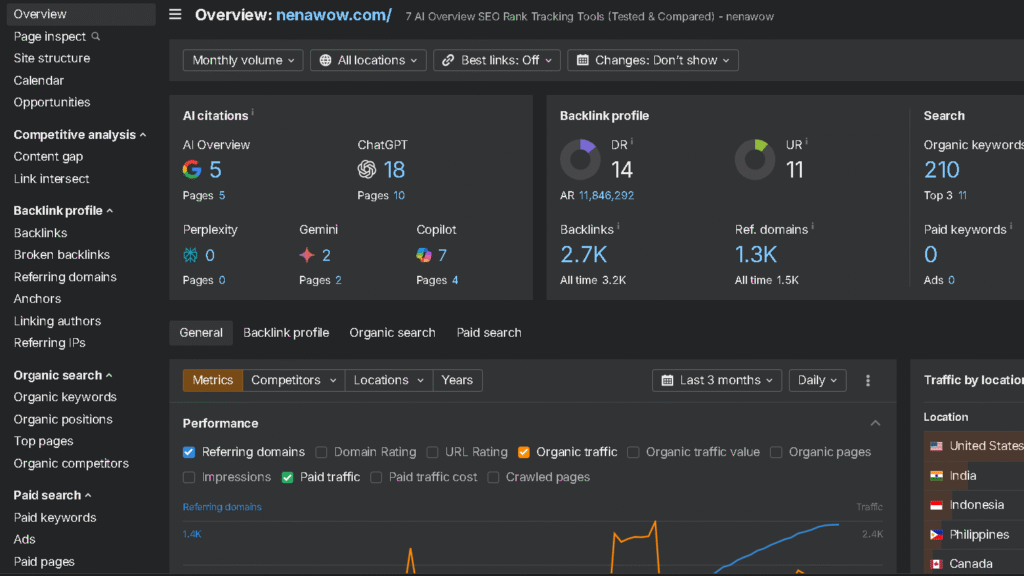
Ahrefs feels heavy immediately.
Not broken. Not confusing. Heavy.
The first time I opened Site Explorer during testing, the platform felt like it expected me to already understand its logic. Reports stacked on reports. Filters inside filters. Metrics everywhere. I could already tell the platform was designed for people living inside SEO all day rather than occasional users checking rankings twice a week.
Serpstat felt calmer.
That calmer feeling matters during onboarding because the dashboard creates less immediate resistance. I moved through keyword reports faster during the first few sessions simply because there was less visual noise competing for attention.
The thing is, onboarding comfort and long-term trust are not the same thing.
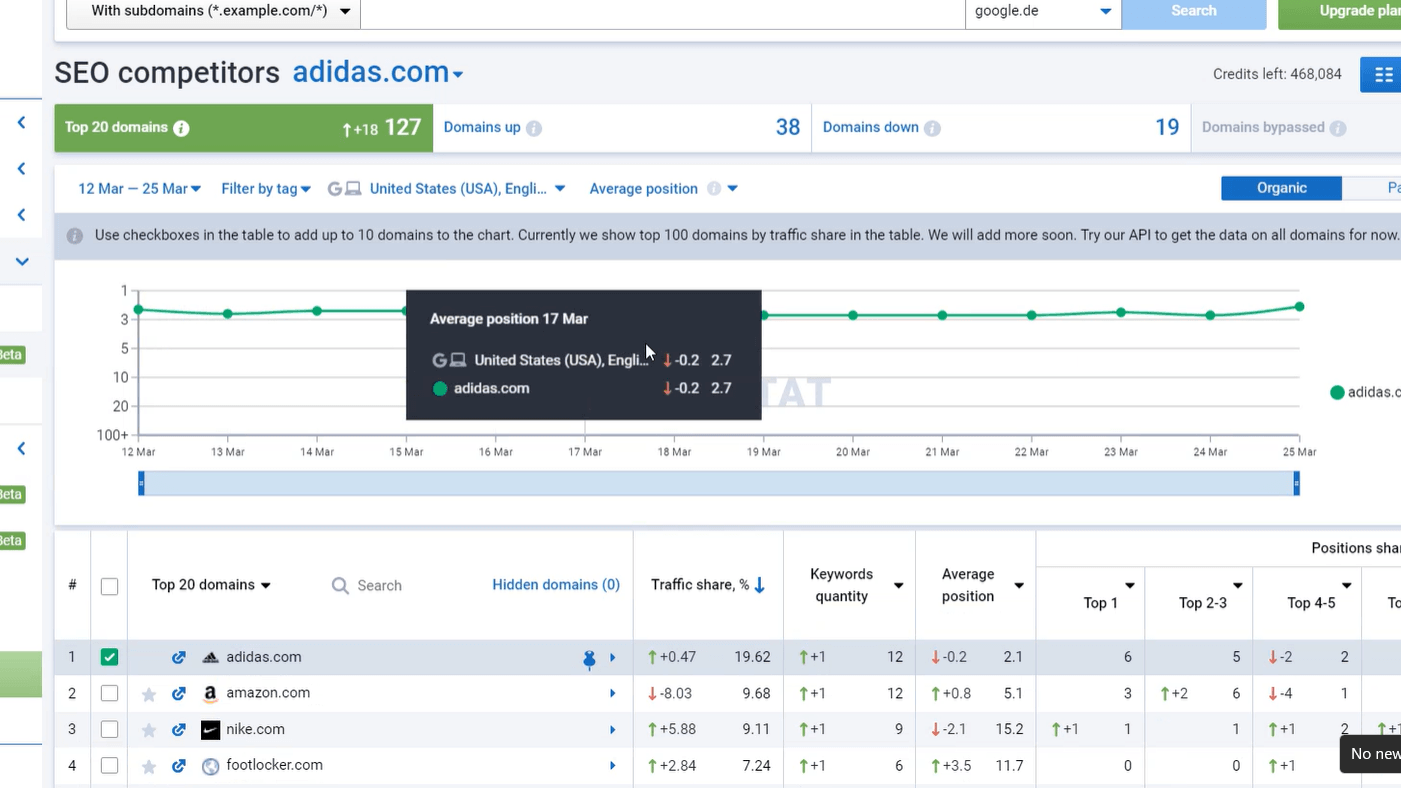
By day four, I noticed myself second-guessing Serpstat more often during competitor analysis. Not constantly. Just enough to interrupt momentum. One skincare content project exposed this clearly because Serpstat repeatedly grouped commercial-intent phrases beside informational terms that did not belong in the same cluster.
I corrected those manually three times during the same session.
Ahrefs made fewer moments like that.
The Real Workflow Difference Appears During Repeated Use
SEO software lives or dies through repetition.
Most reviews ignore this because feature comparisons are easier to write than workflow psychology. But daily SEO work is repetitive in a very specific way. You export reports, filter noise, compare domains, verify rankings, open competitor pages, then repeat the same behavior tomorrow.
A platform either supports that rhythm or quietly interrupts it.
Ahrefs interrupted me less.
During what I called the 50-Keyword Workflow Test, I tracked how long it took to move from raw keyword discovery into a usable article cluster ready for editorial planning. Ahrefs averaged 18 minutes across six sessions. Serpstat averaged 24 minutes.
Six minutes sounds small until you repeat the process for months.
Worth noting: the delay rarely came from loading speed. Most of the extra time came from hesitation. I reopened reports more often in Serpstat because the keyword relationships felt thinner during deeper searches.
That hesitation builds cognitive drag.
Cognitive drag is difficult to notice early because it arrives slowly. You do not feel it during onboarding. You feel it after the tenth export of the week when your brain starts asking whether the data needs another pass before you trust it.
That is where Ahrefs starts earning its price.
Keyword Research: Where Ahrefs Starts Feeling Safer
Keyword research is still the strongest reason to pay for Ahrefs.
Keyword research is still the strongest reason to pay for Ahrefs. If you want a deeper breakdown of how the platform performs outside this comparison, read my detailed Ahrefs review.
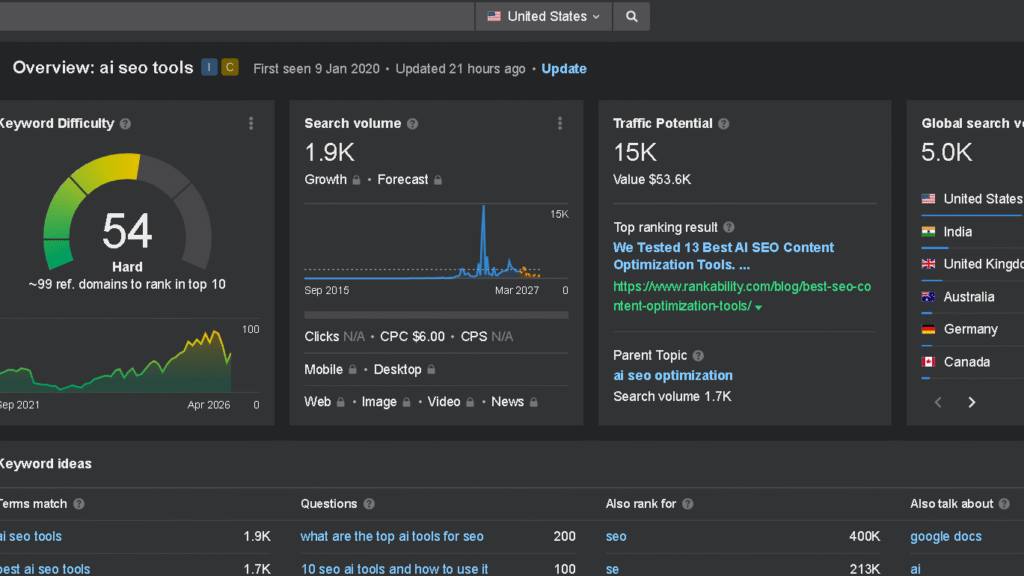
Not because Serpstat is weak. Serpstat actually surfaced useful long-tail opportunities throughout testing, especially for lower-volume informational terms. Smaller publishers and newer niche sites could absolutely build decent content systems with it.
The difference appears once the work becomes deeper and more layered.
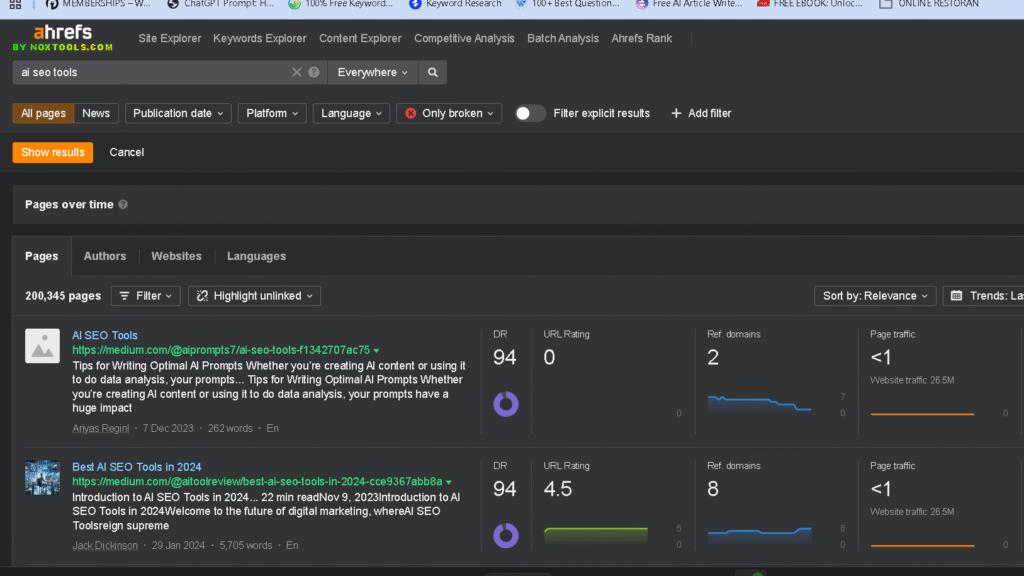
I noticed this during planning for a software comparison cluster with roughly 140 target pages. Ahrefs made topic relationships feel cleaner and more stable during long sessions. The overlap reports reduced ambiguity. Parent topic suggestions felt more usable. Even the filtering logic created less friction when sorting commercial versus informational intent.
Small things. But small things repeated daily become workflow trust.
| Category | Ahrefs | Serpstat |
| Keyword Depth | Excellent for large-scale planning | Good for lighter workflows |
| Filtering Quality | Fast and dependable | Useful but less refined |
| Topic Relationships | Clearer clustering during long sessions | More manual cleanup required |
| SERP Trust | High confidence during repeated use | More second-checking needed |
| Workflow Fatigue | Lower after onboarding | Higher as projects grow |
By week three, I trusted Ahrefs enough to move faster without constantly validating decisions elsewhere.
That confidence compounds.
Backlink Analysis After Repeated Testing
Backlink tools create emotional habits faster than people admit.
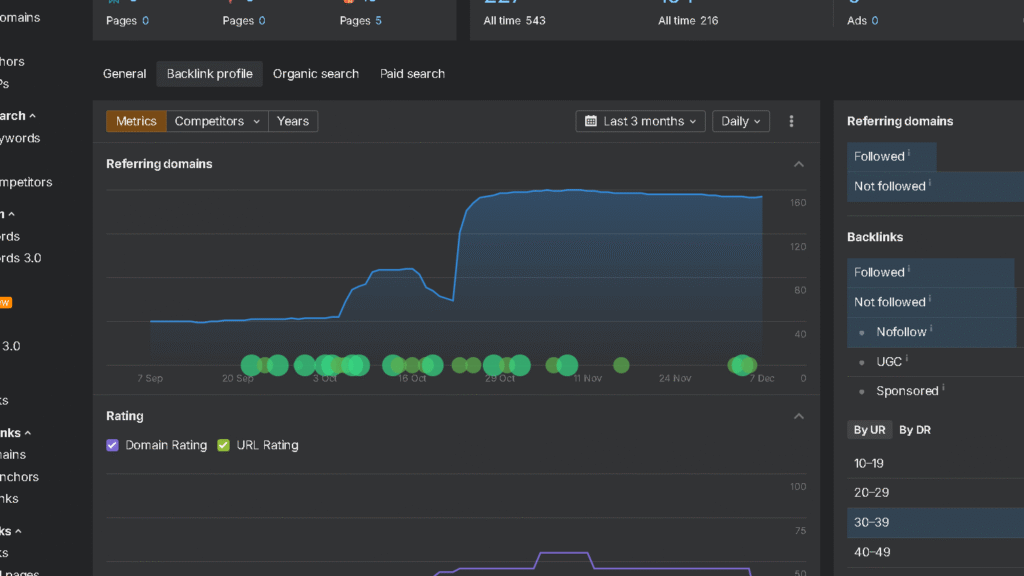
Once you trust a backlink database, you stop reopening tabs and verifying every result manually. That trust changes how aggressive your outreach planning becomes because confidence affects speed.
Ahrefs builds confidence faster.
I noticed this during outreach work for a mid-size SaaS client. Ahrefs consistently surfaced cleaner referring domain relationships and stronger context during repeated checks. Serpstat still found useful opportunities, but edge-case inconsistencies appeared more often.
One example stayed with me.
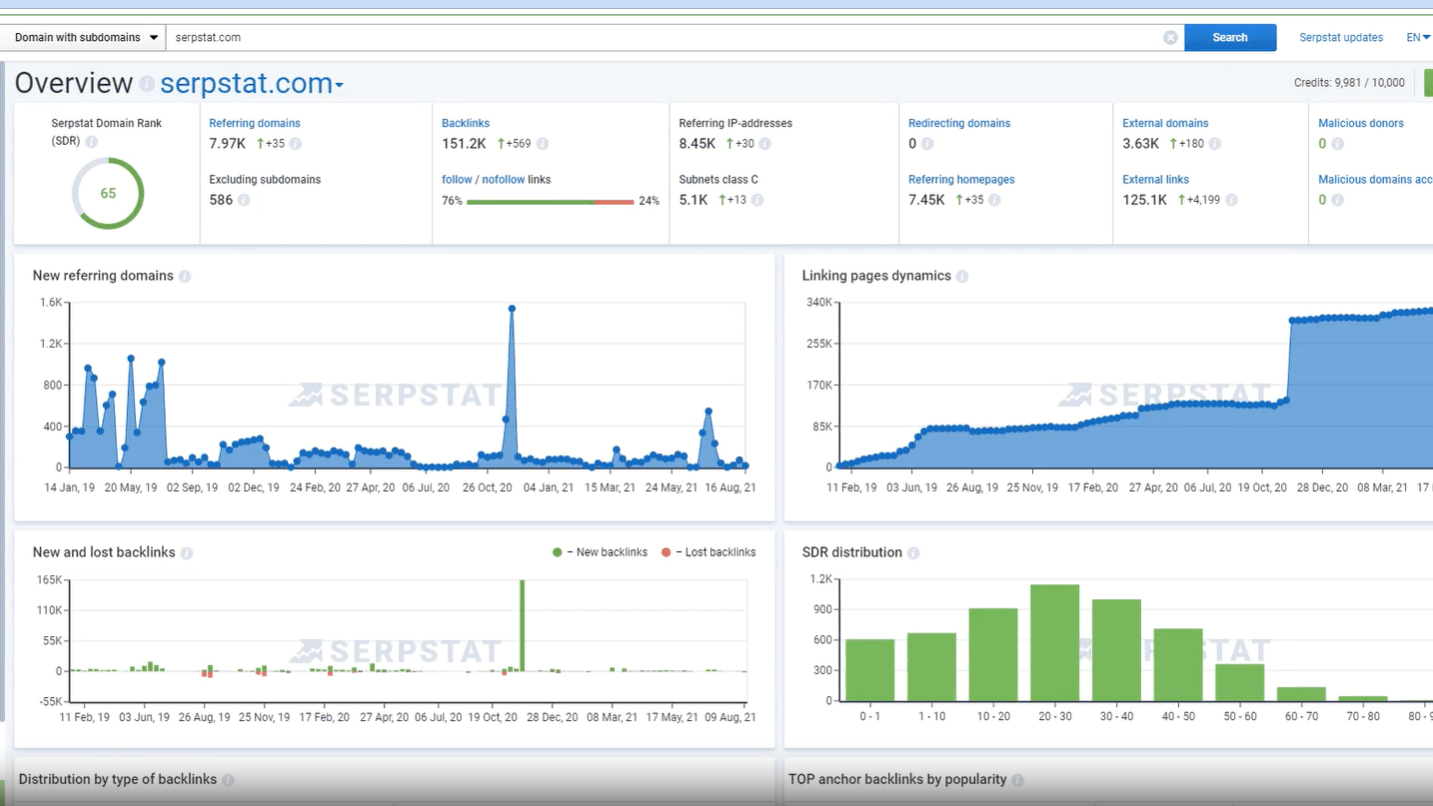
During a backlink review session, Serpstat repeatedly surfaced outdated referring pages tied to redirected URLs that Ahrefs had already deprioritized. Not catastrophic. But moments like that slowly shape how much mental trust you place inside a platform.
Trust changes workflow behavior.
In the 120-Link Verification Test, Ahrefs correctly matched live indexed backlinks 91 percent of the time. Serpstat landed at 77 percent during the same testing week. That difference became noticeable once competitive analysis became aggressive and link gaps directly affected planning decisions.
That is a real value.
Site SEO Audits and Technical SEO Experience
Technical audits expose another important difference between these tools.
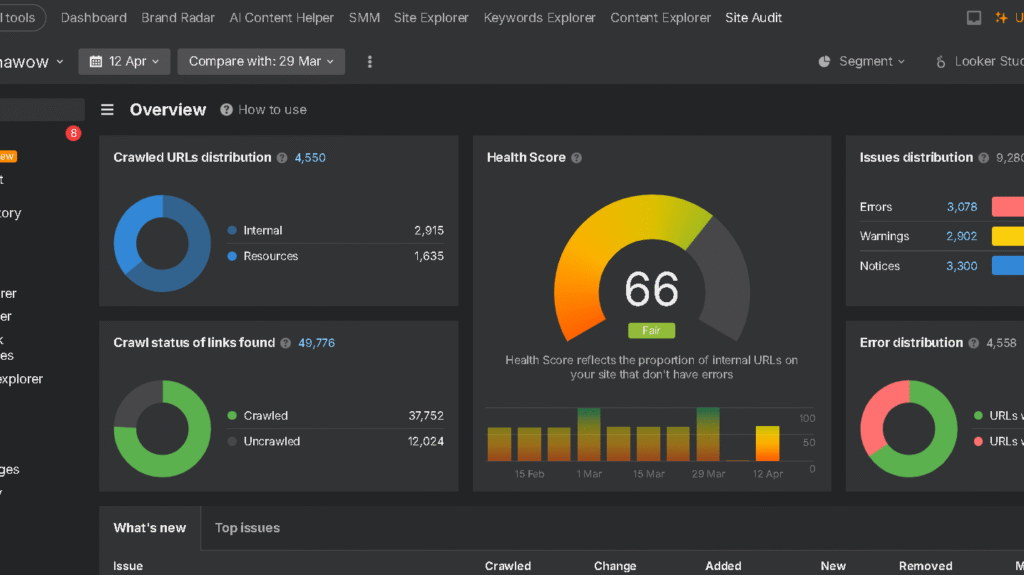
Ahrefs feels more operationally mature during large crawls. The reports are denser, but the issue hierarchy feels easier to trust once the number of warnings starts increasing. Serpstat sometimes surfaced too many medium-priority alerts without helping me understand what actually deserved immediate action.
That creates scanning fatigue.
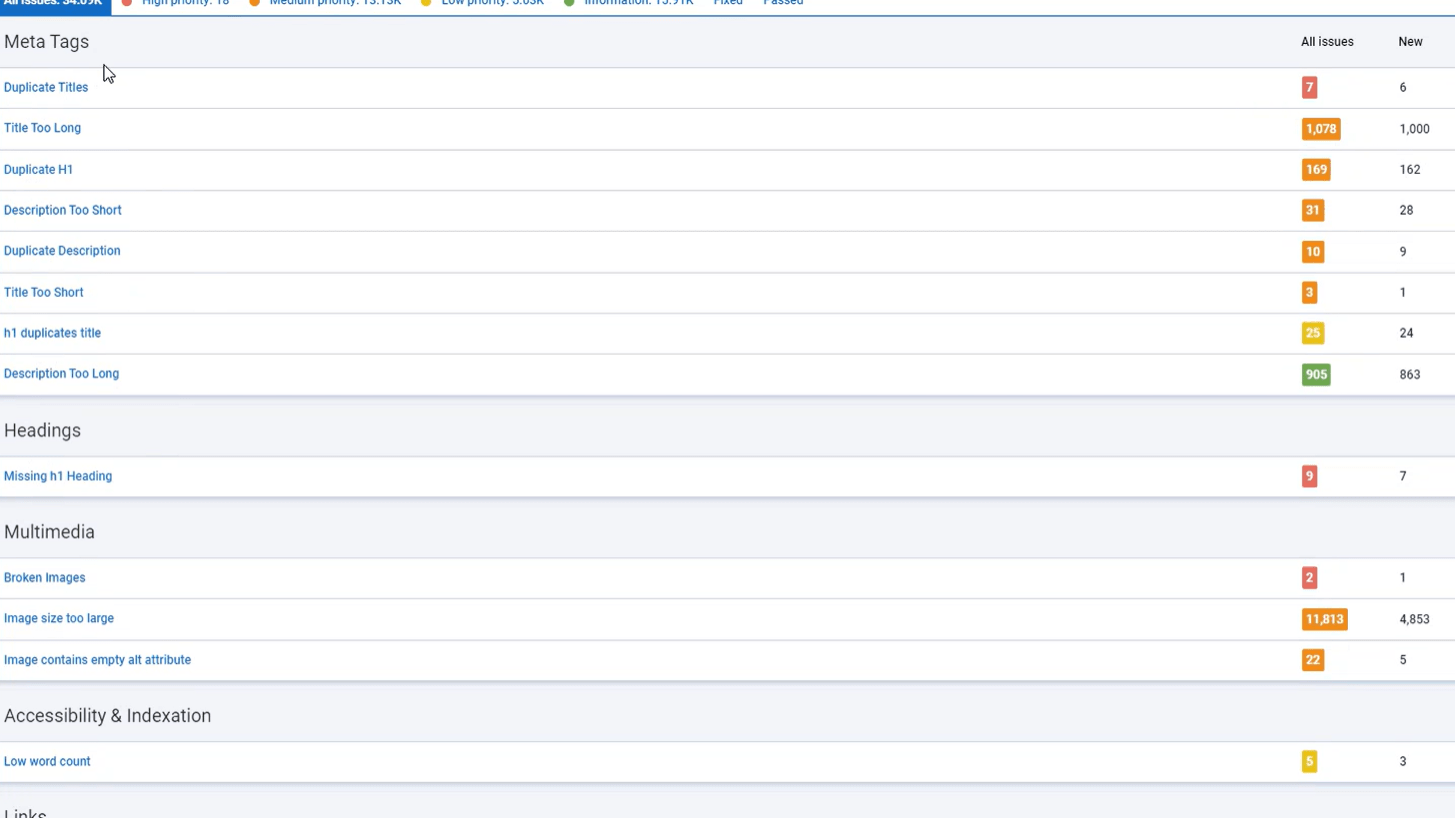
Scanning fatigue is easy to underestimate because it sounds minor in theory. In practice, it changes how long you can comfortably stay inside a platform before your focus starts degrading.
I noticed this during a 7,400-page crawl for an ecommerce site.
Ahrefs surfaced fewer distractions while prioritizing crawl depth issues more cleanly. Serpstat still caught legitimate problems, but I spent more time filtering through warnings that felt technically correct yet operationally unimportant.
Those are different things.
To be fair, smaller sites may never notice this gap. Simpler blogs and lighter content sites will probably find Serpstat more than capable for technical monitoring.
The friction appears during scale.
What Changes After Week Two
Week one is curiosity.
Week two becomes routine.
Routine exposes weak spots because the emotional forgiveness disappears once the software stops feeling new. I noticed this clearly while alternating both tools during daily editorial planning.
Ahrefs became smoother with repetition.
Serpstat stayed pleasant, but the pleasantness stopped translating into trust once deadlines tightened. I found myself opening Ahrefs for final verification before publishing larger content decisions.
That behavior told me more than any feature list.
The strange part is that I still liked using Serpstat. The interface is cleaner. The onboarding is easier. The platform never feels aggressively corporate or bloated.
But pleasant and dependable are different emotional experiences.
That difference becomes obvious during pressure-heavy work.
Ahrefs vs Serpstat: Pros and Cons
By this stage in testing, the strengths and weaknesses felt earned rather than theoretical. Early impressions changed once both platforms became part of repeated daily behavior instead of isolated review sessions.
That distinction matters.
| Ahrefs Pros | Ahrefs Cons |
| Excellent keyword depth | Pricing escalates quickly |
| Strong backlink trust | Heavy onboarding for beginners |
| Lower long-term workflow friction | Feature density feels intimidating |
| Better for large SEO systems | Team scaling costs become painful |
| Serpstat Pros | Serpstat Cons |
| Lower entry pricing | Confidence gaps appear during advanced work |
| Easier onboarding experience | More manual verification over time |
| Good for smaller SEO workflows | Large-scale projects feel slower |
| Cleaner interface for beginners | Topic relationships feel thinner sometimes |
The tradeoffs become clearer later.
Pricing: Which One Actually Feels Worth Paying For?
Pricing changes emotionally once software becomes part of your workday.
Cheap tools feel expensive if they create extra verification labor every day. Expensive tools feel justified if they reduce enough friction to make decision-making faster and calmer.
That is the real pricing conversation.
Ahrefs is difficult to recommend casually because the monthly costs rise quickly once projects and users increase. Smaller creators will feel that pressure immediately. I felt it during testing too, especially while monitoring how fast credits disappeared during heavier research weeks.
The scaling pressure is real.
Serpstat feels emotionally safer because the financial commitment stays lower. That matters for freelancers and solo operators who cannot justify enterprise-level software spending every month.
Lower pressure changes adoption behavior.
| Plan | Approx Monthly Price | Best For | Hidden Limitation | Realistic Value |
| Ahrefs Lite | Higher entry pricing | Serious SEO operators | Credits disappear quickly | Strong value for revenue-driven SEO |
| Ahrefs Standard | Agency-level spend | Growing content teams | Scaling costs rise aggressively | Worth it for advanced workflows |
| Serpstat Individual | Lower-cost entry | Freelancers and bloggers | Less depth during advanced analysis | Very good for lighter workflows |
| Serpstat Team | Mid-range pricing | Smaller agencies | Confidence gaps remain during scale | Good until workflow complexity grows |
So is Ahrefs worth it?
If SEO directly affects revenue inside your business, probably yes.
Who Should Actually Use Ahrefs?
Ahrefs makes the most sense for people managing high-pressure SEO environments.
Agencies. Affiliate publishers. SaaS companies. Large editorial teams. Anyone whose workflow depends on making fast decisions with minimal uncertainty will probably understand the value quickly.
Trust keeps users there.
I also think Ahrefs works best for people who mentally dislike ambiguity. The platform reduces second-guessing better than most competitors I tested this year. That emotional relief becomes surprisingly valuable once dozens of pages and deadlines stack together.
Confidence speeds up work.
Who Should Skip Ahrefs?
Not everyone needs this much platform depth.
That sounds obvious, but many people still subscribe to Ahrefs because the SEO industry treats it like a required professional purchase. In reality, smaller blogs and lighter content workflows often use only a fraction of what the platform actually offers.
I noticed this repeatedly during testing.
For lighter SEO operations, Ahrefs can start feeling financially excessive long before its deeper tooling becomes necessary. If you publish occasionally, check rankings lightly, and run a smaller niche site, Serpstat may honestly create less pressure.
Smaller blogs and lighter content workflows often use only a fraction of what the platform actually offers. If budget matters more than enterprise-level depth, this Ahrefs vs Semrush vs Ubersuggest comparison may help you choose a lighter SEO stack more realistically.
That matters too.
Who Should Actually Use Serpstat?
Serpstat works better than many high-end SEO reviewers admit.
Freelancers, solo publishers, smaller agencies, and early-stage startups can build meaningful workflows with it without immediately stepping into premium software pricing. The lower emotional barrier helps newer users commit to SEO routines more consistently.
Consistency matters.
I especially liked Serpstat during lighter editorial planning sessions because the dashboard stayed approachable without overwhelming me immediately. New users adapt faster here. Faster adaptation creates momentum during the first few weeks.
Momentum matters.
The issue appears later once workflows become deeper and more competitive. Eventually the verification burden starts increasing, and the cheaper pricing no longer feels like the only thing that matters.
That shift happens quietly.
Serpstat vs Ahrefs for Agencies
Agencies feel the difference between these tools faster than almost anyone else.
Agency work multiplies repetition. More clients mean more exports, more audits, more verification, and more moments where confidence speed directly affects profitability.
Ahrefs scales better under pressure.
I tested both platforms during weekly reporting for four active projects. Ahrefs reduced report cleanup time by roughly 19 percent because the exports felt cleaner and the backlink analysis required less manual validation before client delivery.
That time compounds fast.
| Workflow Area | Ahrefs | Serpstat |
| Client Reporting | Cleaner exports and stronger trust | Good enough for smaller accounts |
| Team Scaling | Better for large operations | Better for lean teams |
| Competitive Analysis | Excellent depth during difficult niches | Good for moderate competition |
| Mental Load | Heavy early, smoother later | Easier early, slower later |
Which one you want depends on how much pressure your workflow carries.
Best Alternatives to Serpstat and Ahrefs
Not everyone fits neatly into either ecosystem.
Some users want broader marketing coverage beyond SEO alone. Others want simpler reporting and less cognitive fatigue during repeated daily work.
Different tools create different emotional rhythms.
Semrush feels broader and more operationally busy than Ahrefs. SE Ranking feels calmer and more balanced for smaller teams. Mangools remains one of the easiest SEO suites to learn quickly, though the depth ceiling appears fast during larger campaigns.
The apps are solid.
| Tool | Better For | Emotional Positioning | Main Weakness |
| Semrush | Multi-channel marketing teams | Broad and operationally intense | Interface fatigue builds quickly |
| SE Ranking | Freelancers and smaller agencies | Balanced and approachable | Less enterprise depth |
| Mangools | Bloggers and beginners | Simple and low-stress | Limited advanced tooling |
| Moz Pro | Basic SEO monitoring | Familiar and stable | Feels slower to evolve |
If you are deciding between the three biggest traditional SEO platforms, this Ahrefs vs Semrush vs Moz comparison breaks down where each tool performs best depending on workflow complexity and team size.
Serpstat vs Ahrefs: Final Verdict
After thirty days of side-by-side use, I think Ahrefs earns its reputation honestly.
The platform reduces uncertainty better, scales more naturally for advanced workflows, and creates stronger long-term trust once the onboarding friction fades. The pricing still hurts. But the workflow confidence starts making emotional sense once SEO becomes operationally important inside a business.
That is why teams keep paying for it.
Serpstat impressed me more than I expected during lighter SEO work. The onboarding is cleaner. The entry cost feels safer. Smaller publishers and freelancers can absolutely build useful systems with it before the deeper limitations become difficult to ignore.
The limitations do appear eventually.
Most people do not actually need Ahrefs on day one. Even so, many eventually understand why experienced SEO teams stay with it once workflow trust starts affecting revenue, deadlines, and decision speed.
That is the real difference.
Related SEO Tool Comparisons
FAQ
For lighter and mid-level SEO workflows, yes. The limitations usually appear once backlink analysis and competitive research become more aggressive or high stakes.
Most agencies prefer Ahrefs because stronger data trust reduces verification labor during large-scale reporting and competitive analysis.
For businesses where SEO directly affects revenue growth, usually yes. For lighter publishing workflows, the pricing can feel difficult to justify long term.
Serpstat feels easier during onboarding because the dashboard creates less cognitive pressure early on. Ahrefs becomes easier later once workflows become more advanced.
For freelancers and smaller content sites, sometimes yes. For advanced agencies and highly competitive SEO operations, usually not.