
You can utilize AI to help your local business to locate online and cut time for tasks that could take several hours. In digital marketing, staying ahead means using the latest automation. AI SEO for Local Businesses helps you rank higher in local searches by improving your website, business profile, and reviews with less manual work.
If you’re looking for tangible success, AI can analyze where you’re not getting visibility and then show the things that competitors are doing well. It can also help you choose the right categories and keywords for your specific area.
AI can analyze review sentiment to help you address service issues as well as highlight the strengths which will attract more customers.
Key Takeaways
- Make use of AI to correct the site and list issues that affect local visibility and rankings.
- AI uncovers local keywords and opportunities for competitors through the use of AI to power local SEO.
- AI analyses reviews and listings to improve traffic and reputation.
- Implementing modern local SEO strategies will ensure the long-term viability and growth of your business.
Table of Contents
Fundamentals of AI SEO for Local Businesses
AI affects the way local search locates users and the way rankings are formed. Also, it affects how companies appear when they appear in AI overviews and voice-based answers.
Companies must concentrate on clear location information conversations, content that is conversational, and entity signals, to get recognition within AI search.
How AI Is Transforming Local Search
AI systems can now detect the intent of local searches and not just the keywords. They make use of big languages models (LLMs) and generator engines to design local AI search results.
Optimizing engines for generative use is vital to appear in the summarized outcomes in Claude and Gemini. Local search results of today should correspond to the real-world questions local users have to ask.
This method helps your business be visible even as the behavior of search engines changes. Conversational and voice-based queries are relevant more today.
Searches such as “best late-night pizza near me” are treated differently than searched for with a keyboard. Google Business Profile details, review signals, as well as local feeds of citations AI models that make local search rankings as well as maps.
AI tailors results according to the user’s location, behaviour and context. Recent photos, timeliness and reviews from recent days alter local search visibility faster than ever before.
Businesses in the local area that regularly update their signals regularly will appear in AI-driven snippets or voice responses.
Differences Between Traditional SEO and AI SEO
The traditional SEO focused on the density of keywords as well as backlinks and pages-level signals. AI SEO includes the ability to understand intent along with AI optimization.
Instead of tinkering with terms such as “plumber Chicago,” businesses should be able to answer questions fully and provide clear, unbiased short snippets of information AI can apply. Optimizing content for strategic purposes is essential to get customers’ attention.
AI assesses whether your website meets user requirements beyond simple word match. The technical signals are still important but the format of your site changes.
Schema markup FAQ schemas, as well as concise, specific answers can aid AI to extract information. Content should address local intent Pages for service areas FAQs, how-to steps that correspond to questions from the voice.
Ranking factors are now incorporating AI-specific functions like the inclusion of AI overviews and performance in voice search and the presence of local maps packs. Backlinks are still useful, but relevancy and entity connections count more on local search visibility.
Why Entity Optimization Matters for Local Visibility
Entities reveal to AI the nature of a business and the location where it is located. The establishment of an exact NAP consistent across all listings provides strong signals for entities to which LLMs and search engines trust.
This clarity improves local search results and aids AI incorporate the company’s information in its overviews and local solutions. The use of structured data and categories strengthen the relationship between entities.
LocalBusiness schemas, Service schema, and Review schemas make it simpler for generative engines to extract facts and provide responses. This is crucial when it comes to “near me” queries and geo-specific search queries.
Establishing authority on a topic within a specific service area can help AI connect the company to local landmarks and neighborhoods. Local partnerships and citations from local websites and local case studies make up the entity network which increases the visibility of local search results for customers.
Optimizing Local Listings and Business Profiles by using AI
AI assists in keeping listings up-to-date, matches websites’ citations and flags mismatches in address and contact information. AI can also make changes to Google Business Profile data, look up citation sources such as Yelp and offer suggestions for improvements so that listings are visible in maps and local search.
Google Business Profile Optimization
AI checks Google Business Profile (GBP) entries for omissions, incorrect categories and inconsistent hours. Complete GBP optimization ensures that your business is relevant to local users.
The profile is scanned for current local information such as contact information and the service areas. It ensures that customers are able to access the most up-to-date information in a matter of minutes.
Maintaining a consistent profile with respect to Google My Business is critical for ensuring that your business is listed in the local listings. AI will then suggest specific edits such as including a primary category such as “Plumber” and secondary services like “Emergency plumbing” to improve relevancy.
These modifications will help your profile to appear in more specific search results. AI can also suggest optimized business descriptions, and posts topics that are tailored to local searches.
Multi-location brand brands: it identifies profiles with duplicate addresses, or incorrect phone numbers, and is able to flag them for bulk fix. Automatic monitoring alerts owners when GBP gets suspended, review numbers are high or the hours shift during holidays.
Managing Local Listings and Citations
Advanced tools for managing citations find current listings on websites like Yelp and other directories of industry. Platforms such as BrightLocal assist in identifying instances where citations aren’t present or are not consistent.
Utilizing a full local SEO platform, you can link each citation with the right location page. The software can make or edit listings at size, which includes for an unlimited number of places.
Automated management helps keep your company’s appearance consistent across the web. AI prioritises high-value sources initially (Google, Yelp, major directories) Then it focuses on specific sites that affect local SEO.
It keeps a history of revisions and also posts consistently-formatted descriptions and photos. To build citations it suggests the directories to be added and can automate submissions where it is feasible which reduces manual labor and reducing the chance of conflicting listings or duplicates.
Maintaining NAP and Data Consistency
AI constantly checks Name Address Telephone (NAP) over the internet as well as GBP and other external references to ensure the consistency. When it detects incorrect phone formats or abbreviated street names or suite numbers that are not current It offers an identical canonical version to be pushed to all platforms.
Tools allow for the standardization of contact details and address formatting across locations pages or directory entries. They can also spot problems that could affect positioning of the map pack, for example numerous phone numbers, or multiple trading names.
In ensuring consistency of citations as well as managing local citations in various directories AI increases trust indicators for local searches. This helps to improve local rankings over time.
This helps customers avoid confusion when who call or visit a place.
AI-Powered Content Strategies for Local SEO
AI tools help craft high-quality local content that answers real local queries. They help you find the right local keywords, add proper structured data, and scale localized content without losing authenticity.
Effective content optimization means tailoring every page to the specific needs of a geographic area. This level of detail makes your business a trusted authority in your region.
Conversational Content and Answer Optimization
Businesses should write content that matches how people ask questions aloud. AI SEO tools can generate short, direct answers for voice search and AI-generated answer boxes.
Focus on clear Q&A snippets for common local queries like “open now,” “price range,” or “nearest [service].” Use natural language with local terms—neighborhood names, landmarks, that sort of thing.
Create concise answer blocks (one to three sentences) that an AI or voice assistant can read aloud. Add short supporting paragraphs or bullet lists to expand context for search engines that prefer longer content.
Include detailed descriptions of your products and services, hours, and booking steps in plain language. Test answers in voice or visual search tools to make sure AI-generated answers look and sound correct.
Local Keyword Research with AI Tools

AI tools speed up local keyword research by providing keyword insights tied to neighborhoods, landmarks, and service intent. Start with seed terms (service + city) and use AI-driven keyword explorers to find long-tail local keywords and question queries.
Prioritize terms by local search volume and intent: transactional (book, buy), navigational (near me, address), and informational (how to, cost). Create groups: primary service pages, neighborhood landing pages, and blog topics for local events or guides.
Validate AI suggestions with Google Keyword Planner or local rank tracking. Keep a list of variants—abbreviations, slang, and voice-search phrasing—to feed into content generation and site metadata.
Leveraging AI for Schema Markup and Structured Data
AI can generate correct local schema markup from business data to improve how search engines show information. Provide the AI with accurate local information, including NAP, hours, and service areas.
Ask it to output JSON-LD for LocalBusiness, Service, and Product schemas. Make sure schema includes local schema markup fields like geo-coordinates, openingHoursSpecification, and areaServed.
Use structured data to tag FAQ answers, reviews, and event details so AI overviews can source precise facts. Validate generated JSON-LD with schema testing tools and keep it updated after changes.
Human review matters here—false or outdated structured data can confuse AI search features and hurt rankings.
Generating Localized Content at Scale
AI content generation lets businesses create many localized pages, but they need to keep each page useful and unique. Use templates for service descriptions, then inject neighborhood details, specific landmarks, and local testimonials to avoid duplicate content.
Combine short AI drafts with human editing to add experience-based notes, images, and local events. Automate routine elements (address blocks, hours, recipes for service pages), while assigning humans to review authenticity and add community references.
Track performance by location. If a page isn’t doing well, refine keywords, update schema, or add real customer stories.
Mix blog posts, FAQ pages, and localized landing pages to cover different intents and to feed AI-generated answers with accurate, local facts.
Leveraging AI Tools for Local Performance, Engagement, and Reputation
AI tools assist local businesses monitor reviews, rank their businesses analyse competitors and evaluate leads. They can automate SEO repetitive tasks, identify issues swiftly and offer clear instructions to improve customer visibility and confidence.
Review Management and Response Automation
AI improves review management by automatically surfacing new reviews, and suggests responses to reflect the tone of the brand. It lets owners quickly respond to reviews, without having to spend time typing manually.
Systems make use of sentiment analysis to classify feedback as neutral, positive or negative and prioritize responses to urgent matters. For instance, a tool will flag a review with a rating of 1 star regarding a delayed delivery and write a concise apology-first response and a follow-up call line.
Automation can also tailor messages. AI analyzes the details of an order such as the type of service, customer, and previous interactions to create messages that meet the needs of the customer.
Companies can establish rules for: automatically respond to reviews of 4-5 stars by thanking them and escalate reviews of 1-2 stars to an administrator and save templates for frequent problems. A lot of platforms provide white-label or API options, as well as trial periods for free.
When you review our services you will see how these workflows can improve retention of clients and rank effectiveness. Tools to think about: BrightLocal Local Review collection, Google Search Console for monitoring brand mentions, as well as Salesforce integrations to CRM. HubSpot and Salesforce to share customer information.
ChatGPT, Gemini, or Claude are able to generate drafts. Moderation and timing is controlled by the company.
Automated Performance Monitoring and Rank Tracking
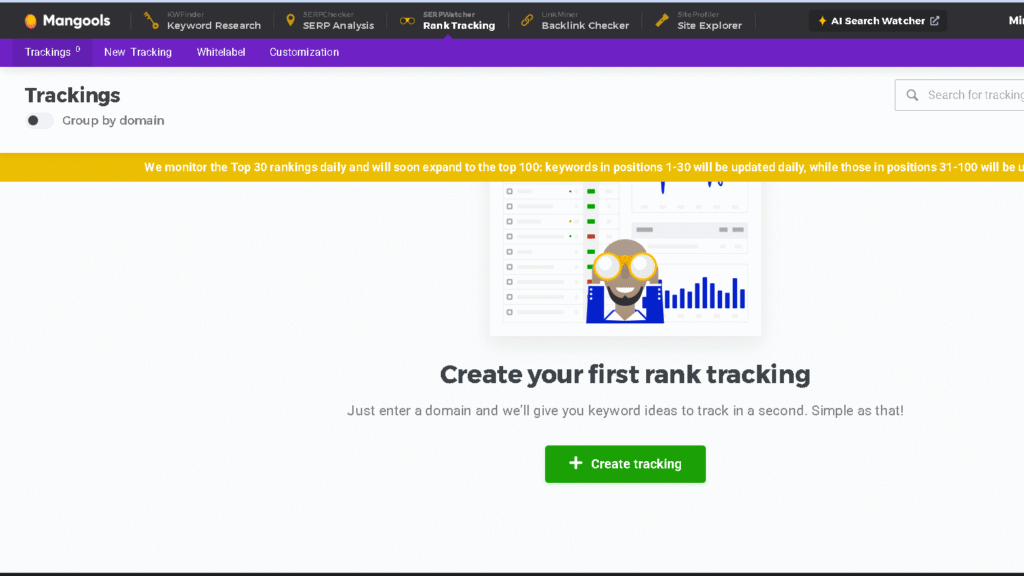
AI-driven rank tracking tool monitors local pack positions and keywords across the neighborhood. It tracks local rankings and notify teams of any drops in positions.
This allows you to swiftly adapt your local content strategy in order to keep your search engine visibility. Performance monitoring integrates rank information along with engagement and traffic metrics.
AI connects clicks from the search console and local conversions to landing pages, as well as GMB insights to reveal how changes affect the results. Automated reports will reveal daily changes in rankings as well as week-over-week visibility and what pages require fixes on the page.
This information is crucial for CRO efforts to make sure that visitors become leads. Tools such as Semrush, Ahrefs, Moz Local and Perplexity-style analytics provide context and suggestions for fixing.
White-label dashboards allow agencies to present outcomes to clients with no additional work. There are many sources online to assist you in setting the automated systems for reporting.
Automated A/B testing recommendations may be discovered in the event that meta title or content changes correspond with increases in rank. Alarms, planned exports as well as integrations to Slack as well as email enable teams to respond quickly when local keywords slip.
Competitive Analysis using AI
AI examines the analysis of competitors by analyzing local footprints such as reviews, citations and gaps in keyword usage. It determines which competitors are outranking your business in search phrases and identifies the pages or pages that are gaining these wins.
The instruments scrape competitors’ GMB listings, content on the site and local backlinks to find the weaknesses that you could exploit. For instance, AI might reveal that the competitor in your area ranks in the top position for “emergency AC repair” because they’ve got their own dedicated page for their service and have more reviews on the subject.
It is possible to build an individualized page and ask for reviews that are targeted and also add schema for services. Platforms such as Semrush as well as Surfer SEO show keyword gaps and SERP information.
Agencies can conduct white-label competitive studies and then use the findings to inform the development of content, citations or Local link campaign. Competitive alerts inform you when a competitor launches an offer that is new or experiences a an increase in reviews which allows you to respond quickly.
Improving Customer Engagement and Lead Scoring
AI Chatbots, virtual assistants and chatbots can handle routine questions from customers and collect leads throughout the day. These tools make use of ChatGPT to provide genuine, relevant answers to clients who are interested.
They answer questions regarding the location, hours, prices and appointments, and then forward qualified leads to CRM platforms like HubSpot and Salesforce. In this way, you’ll miss less opportunities, and your team can concentrate on work that is worth their time.
Lead scoring relies on reviews, behavior, and other interactions to determine the quality of prospects. AI models evaluate actions such as clicking on pricing, asking for an estimate, or writing an online review that is positive, and then give an amount.
Sales teams receive priority lists to reach out to those with the highest value prospects first. Integrations provide scores in real-time and trigger actions such as SMS reminders, nurture emails or even instant phone calls for the most valuable prospects.
Bot scripts can be tested and lead scoring models in the free trial version. Combining AI chat with CRM sync and analytics can improve response time and increase conversion rates but still sounding as if it’s your company’s voice.
Frequently Asked Questions
This section covers practical questions about keyword use, site setup, AI tools, content, and pricing. Each answer gives local and eCommerce businesses clear steps to use right away.
How can keyword optimization improve my local business’s online visibility?
Keyword optimization can help search engines connect your business with local searches such as “plumber near me open now” or “vegan bakery in Portland.” Utilize exact phrases in the page title, headings, Google Business Profile text or FAQ pages.
Make sure you target long-tail phrases, which users use when using chatbots and voice assistants. Include them on FAQ pages, service pages and schemas so that AI systems can search your business to answer real-time customer queries.
Maintain NAP (name address, telephone, name) and location terms the same across directories and your website. Congruity builds trust and aids AI and maps to pull the correct business information.
What are the most effective SEO strategies for eCommerce and local businesses?
For eCommerce, focus on keyword-driven product and category pages, fast mobile speed, unique product descriptions, and clean URL structure. Use structured data for products, reviews, and breadcrumbs to improve search features.
Local businesses must finish the Google Business Profile, build local FAQ pages for their customers and ensure that directory listings are accurate and also manage reviews. Incorporate LocalBusiness schemas and pages for service areas to link services to specific areas.
Both should keep track of local search rankings, and use analytics to discover pages that are converted. Small, constant technological fixes can will make the biggest difference.
How do AI-powered SEO services compare to traditional SEO approaches?
AI tools automate the research process, such as search engine discovery, content outline and cleaning up citations. They reduce time spent on the audit, generation of schemas and templates for reviewing responses.
Traditional SEO still requires human oversight to plan, strategy, voice of the brand in addition to quality controls. AI can write proposals and content, however users must check the information, alter tones, as well as manage difficult issues on the site.
A hybrid approach is best Let AI manage repetitive tasks as well as analysis of data, while humans decide on priorities, modify output, and create connections to link and local relationships.