

SEO is constantly evolving, however it’s still a major source of traffic for local businesses, blogs and even online brands. If you’re looking for better results and more traffic to your website it is essential to have the right tools to help you achieve your goals.
The Ahrefs vs SpyFu discussion, both provide special SEO features or competitor analyses. Ahrefs is ideal for teams that require extensive backlink information and advanced SEO tools. SpyFu is a standout for competitor analysis and PPC insight at a lower cost.
The right choice will depend on your objectives as well as your budget and the amount of data you really need. Let’s look at the fundamental distinctions: keyword research and link building, website audits, paid-search data, workflows and pricing.
Ahrefs vs SpyFu: Core Differences and Use Cases
Ahrefs as well as SpyFu both assist marketers to increase traffic, however they concentrate on distinct aspects of SEO. One of them focuses on deep data and technical knowledge, whereas the other focuses on competitor research and search the past.
Overview of Ahrefs

Ahrefs is a complete suite of SEO instrument developed to conduct deep analysis. It is often being compared to Semrush as well as Moz. Similar to Semrush it is focused on keywords, backlinks gaps in content, technical audits.
In 2010, the company was launched. Ahrefs was able to expand into a wide platform that is used by agencies, bloggers as well as in-house teams.
Although Ahrefs pricing is more expensive than competitors, a lot of users appreciate the depth of data required for work in enterprise.
The key strengths of HTML0 are:
- Large backlink index as well as Domain Rating metrics for analysis of competitors
- The detailed difficulty scores for each keyword
- Technical site audits based on crawl data
- Content Explorer for topic research
SEO professionals utilize Ahrefs to identify broken links, monitor the decline in ranking, and research the backlinks of their competitors. It’s a good tool for teams who are already familiar with SEO fundamentals and would like to have more information to inform their strategy.
Ahrefs is also compatible with different websites, but not only Google. It’s useful when you’re trying to target YouTube or Amazon traffic from search engines.
Overview of SpyFu
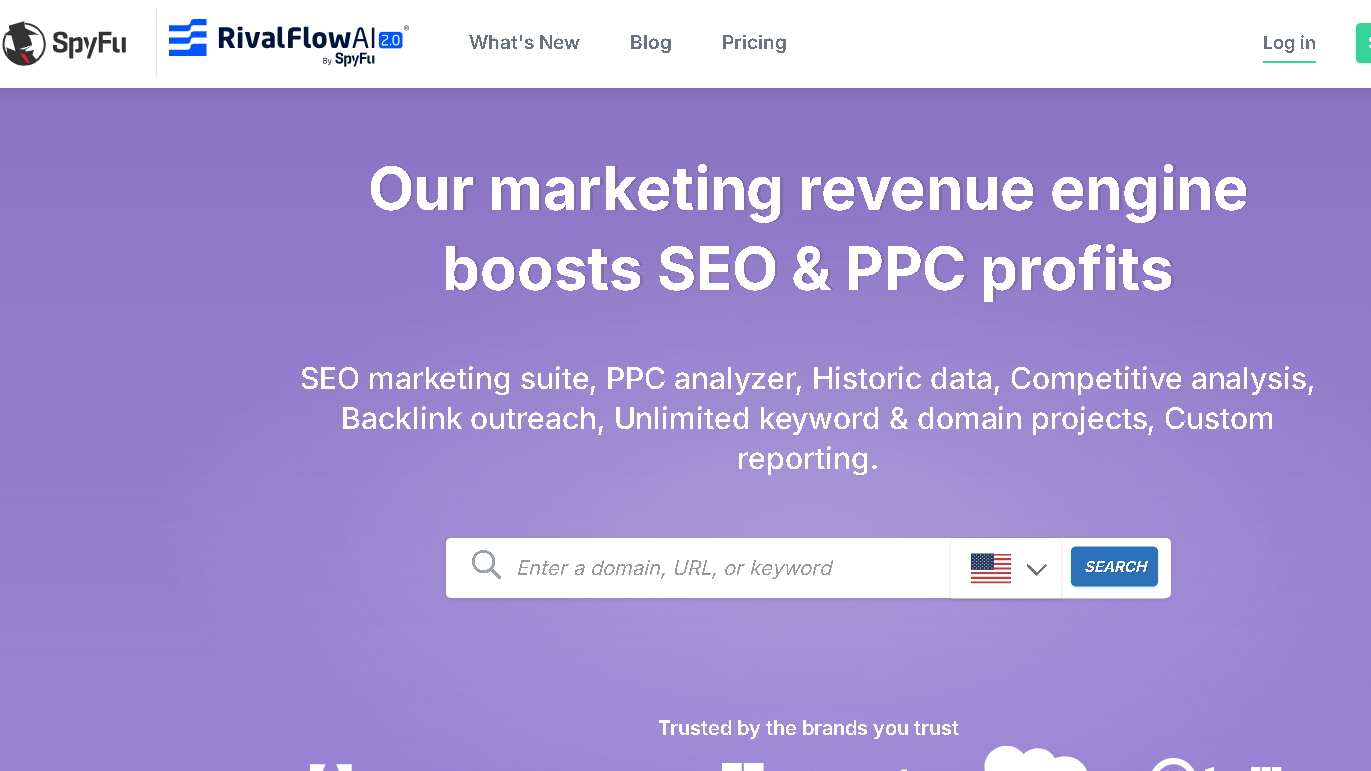
SpyFu concentrates on the intelligence of competitors as well as search engine optimization. It assists users in determining which terms competitors rank for and the type of ads they display.
SpyFu was founded in 2005. SpyFu was established in 2005 and gained recognition for its the management of pay-per-click and keyword tracking.
The platform is designed to be easy of use for those who need fast responses.
Features that are essential to HTML0 include:
- Keywords for competitors
- Ad History monitoring
- PPC cost estimates
- Keyword overlap tools
SpyFu does not provide a robust technological site audit tool. Instead, it will show the way that competitors gain visitors and the length of time they can hold the top spots.
Smaller businesses usually choose SpyFu due to the fact that it is less expensive and is more user-friendly. It can help them identify quick opportunities without digging through complicated SEO metrics.
Who Should Use Each Tool
Both tools meet different needs. The best choice is based on the goals, budget and the level of expertise.
Ahrefs works best with:
- SEO experts who manage multiple websites
- Agencies handling link building campaigns
- Teams that require a deep backlinks and auditing data
- Companies that focus on long-term organic growth
It is able to perform advanced SEO tasks, such as gap analysis of links content audits, link gap analysis, and even large-scale keyword research projects.
SpyFu fits best for:
- Smaller businesses with limited budgets
- Marketers who focus on competitor research
- Teams that run both SEO as well as PPC campaigns.
- Users who require simple tracking of keywords
A thorough Ahrefs comparison with SpyFu review of the tool shows the ways Ahrefs tends to focus on data depth, whereas SpyFu concentrates on the strategy of competitors.
Keyword Research and Competitive Intelligence

Strong keyword research drives traffic growth. It is the foundation of an effective content strategy that focuses on the most valuable users via organic search as well as paid ads.
Keyword Database Depth and Metrics
A huge keywords database enhances your ability to research. It improves the chances of locating long-tail keywords as well as related terms and emerging keywords before competitors do.
Ahrefs stands out due to its their size and coverage across the globe. A number of reviews mention that Ahrefs is a major focus on SEO information, which includes organic keywords as well as backlink information related to those keywords.
Its Keyword Explorer shows:
- Search volume
- Potential for traffic
- Click metrics
- Parent-topic relationships
SpyFu’s keyword database may be smaller but provides solid data to use in SEO as well as PPC research. Its strength lies in its historical data on keywords that are linked to paid advertisements.
For those who depend heavily on Google Ads, that history gives context to the search engine changes over time.
Keyword Difficulty and Search Volume Accuracy
Keyword difficulty and the accuracy of search volumes influence the SEO decisions of every single one. If these metrics are not accurate the content plans will fail.
Ahrefs determines difficulty of keywords using the backlink profiles of pages that rank high. It calculates how many domains that you can refer to for your site to achieve a high rank.
This allows for keyword analysis to be more effective to link-building strategies.
SpyFu offers a more straightforward search term difficulty. It also combines with PPC cost data as well as a longer-term ranking history.
The volume of searches and CPC estimates of both of these tools are directional and not precise. Ahrefs is more inclined towards organic search model to aid in SEO. SpyFu is a blend of SEO and paid data which is beneficial to advertisers.
Keyword Grouping and Content Gap Features
Modern keyword research goes beyond lists. It involves clustering, grouping and identifying content gaps that hinder growth.
Ahrefs has an integrated Content Gap tool. It evaluates various domains and highlights keywords you compete with but your website doesn’t.
This gap analysis assists teams create topic clusters rather than chasing specific words.
It also organizes keywords based on topics and related queries. Tools such as Rivalflow can assist you to improve the quality of content once it’s released by comparing it to the most popular search results.
SpyFu provides competitive comparisons using tools such as Kombat. It provides unique and overlap keywords that are shared between domains.
As described in the SpyFu comparison with Ahrefs review, SpyFu emphasizes competitive intelligence, particularly in areas where SEO and PPC overlap.
For editorial teams that are building an authority in their field, Ahrefs’ clustering and workflows for content gaps are typically more SEO-oriented. For those who want to mix organic and paid strategy SpyFu’s overlap views are very useful.
Competitive Keyword Analysis
The analysis of competitive keywords helps sites to close the gap against strong opponents.
Ahrefs utilizes Site Explorer to breakdown the rankings of competitors by:
- Top pages
- Organic keywords
- Estimated traffic
- Backlink sources
This is a direct link between keyword research to link acquisition and technological improvement. It enables deep competitive insight that is rooted in organic search performance.
SpyFu is a tool for the analysis of competitive keywords on both SEO as well as PPC. It displays historical ads and bidding patterns for keywords, and even ranking shifts.
This transparency helps the teams to reverse engineer advertising and find profitable keywords.
Businesses that focus on organic traffic growth frequently tend to use Ahrefs for more precise SEO insights. Businesses that run aggressive pay-per-click campaigns might benefit from SpyFu’s comprehensive advertisement history and bid data for keywords.
Backlink Analysis and Link Building Capabilities
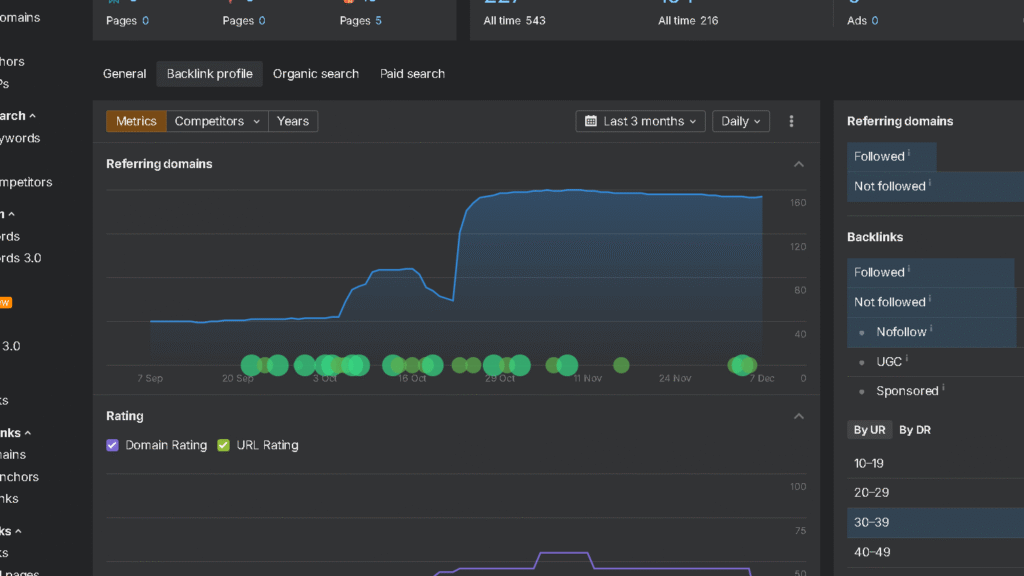
Backlinks still drive rankings. Conducting an extensive analysis of the competition can help teams identify the gaps, repair weaknesses, and create links that increase traffic.
Backlink Database Comparison
The size and the freshness of a backlink database matters significantly. If the index is not updated with links that are not present, the entire analysis is ruined.
Ahrefs is known as having one of the largest databases for backlinks within the field. Many reviews have highlighted its strengths in analysis of backlinks and off-page SEO.
Its extensive backlink index provides users an extensive overview of the domains that are referred to as well as anchor text and the rate of growth of links over time.
SpyFu’s database of backlinks is smaller, yet it has more than a trillion links.
For many smaller to medium-sized websites, this level of backlink data can be sufficient to help make the link-building process.
The key difference is:
| Feature | Ahrefs | SpyFu |
|---|---|---|
| Size of the index for Backlinks | Larger, more comprehensive | Smaller but still substantial |
| Depth of link metrics | Extensive | We are focused on the opportunities |
Larger companies typically prefer greater coverage. Smaller teams may be more focused on costs and usability.
Backlink Profile and Link Intersect Tools
A clean profile of backlinks shows the people who link to your site frequently, the frequency of their links, along using the type of anchor text. This allows you to discern patterns that aid or harm rankings.
Ahrefs offers comprehensive tools for analysis of backlinks in their Site Explorer. You can filter links based on type or platform, as well as traffic and even follow their any status.
It also comes with it has a “Link Intersect” feature that locates domains that link to your competitors, but they are not linking to your site.
This is a great option to build targeted link-building campaigns.
SpyFu draws more on analysis of competition rather than filtering it with technical tools. It provides backlink profiles of competitors and tracks lost and new links in the course of time.
In contrast to Ahrefs however, it doesn’t provide a deep analysis of link intersects.
Teams that depend on gap analysis gain more control using Ahrefs. If you’re looking for a fast insight into your competitors SpyFu makes things easy.
Link-Building Opportunities
A strong link-building strategy starts by analyzing who is linking to your competition and where the gaps in content exist. That’s the basis of any successful outreach.
SpyFu concentrates its platform on competitive intelligence. It identifies domains that are linked to your competitors, and offers link-building opportunities based upon specific relevance.
This is great if you need to expand outreach quickly.
Ahrefs allows link-building via its backlink database as well as link intersect data. It is possible to sort domains based on authority and traffic and prioritize outreach according to what appears important.
- SpyFu highlights whom to call
- Ahrefs is clear why linking is important.
Broken Backlinks and Outreach
Broken backlinks waste link equity. Repairing them will help improve rankings with no any new content.
Ahrefs helps you identify broken backlinks that point towards your site or to competitors. You can recover lost links or pitch new content.
Broken link reports can also assist by promoting outreach campaigns that focus on fixing dead links.
SpyFu concentrates less on reports of broken links that are technical and more on analyzing the loss and creation of new backlinks over time. This helps teams respond quickly when links stop working.
To help with outreach, both tools provide domain referring information to help you discover contacts. Ahrefs is more technical, while SpyFu feels more useful to build links and track progress.
If you’re interested in detailed link audits of your backlinks, Ahrefs might be a good option. If you’re looking for a steady outreach and simple, competitive-driven backlink building, SpyFu might feel more natural.
Site Audit and Technical SEO Features

Technical SEO still drives rankings. A robust website audit tool can help you identify issues with crawls and correct errors before minor problems impede growth.
Site Audit Tool Depth
Ahrefs provides a comprehensive SEO auditing service through the tools for auditing websites. It crawls your site and evaluates the overall health of your site.
It evaluates indexability as well as the internal link, speed of page and the structure of data. Reports help you fix high-impact problems first.
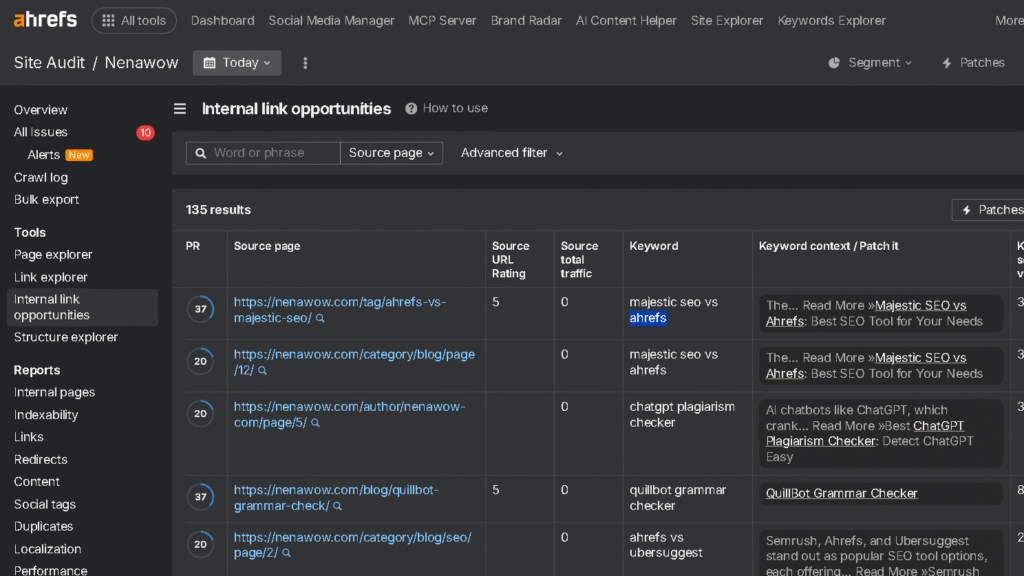
The platform suggests even improvements on internal links, such as anchor text suggestions. This can be useful for building topic clusters and enhancing crawl routes.
SpyFu has SEO auditing features, however they’re less powerful. Its focus is on search engine optimization and competitor analysis.
Businesses that depend on SEO technical to grow, the depth of your crawl is crucial. A superficial crawl may miss problems that can hinder growth.
Technical SEO Issue Detection
Ahrefs is a crawler that has been structured that warns of:
- Broken links
- Redirect chains
- Pages for orphans
- Pages that load slowly
- Canonical mistakes
- HTTPS issues
It categorizes problems into warnings, errors and notices. This makes it easier for SEO teams to decide the most important factors for ranking and coverage of indexes.
Audit reports can also reveal key technical SEO risk factors like spending too much on crawl budgets or duplicate meta tags. You can export the reports and distribute them to developers.
SpyFu recognizes technical issues of a basic nature but it isn’t as accurate as Ahrefs in the configuration of crawls or reporting depth. Based on an impartial SEO tool analysis of Ahrefs and SpyFu by the year 2025, Ahrefs leads in technical analysis and data details.
For websites with hundreds of URLs you’ll be able to see the difference very quickly.
Duplicate Content and On-Page SEO
Duplicate content can dilute rankings. It can confuse search engines and can split link equity among identical URLs.
Ahrefs searches for duplicate meta descriptions, as well as thin content when conducting an audit of a website. It also detects sites that have low word count or tags that are not present that can harm on-page SEO.
Its internal link analysis helps reduce duplicate intent across pages. The tightening of anchor text and link positioning directs the search engines to use priority URLs.
SpyFu concentrates on the data of keywords and the paid search insight. Although it can perform on-page SEO tests, it doesn’t do as thorough a job with duplicate content detection, nor does it provide structured recommendations.
If you’re attempting to improve the health of your site and remove SEO-related technical problems, Ahrefs gives you more control over how a crawl identifies and documents issues.
PPC Research and Paid Search Advantages
Paid search is still a source of qualified traffic, provided you run well-planned PPC campaigns and monitor the actual cost. A good tool will show what PPC keywords work and how your competitors design their advertisements, and where budgets are allocated.
PPC Keyword and Campaign Analysis
A solid PPC research begins with clear data on keywords. Ahrefs offers paid search insight within Site Explorer which means you can see your competitors’ top PPC keywords as well as estimated traffic and cost per click.
This allows you to identify the differences between paid and organic strategies. SpyFu is more focused on PPC campaigns as well as data from the past.
Its platform is focused on the discovery of keywords that compete and reveals what terms competitors have bid on and are ranked with respect to paid-search. It’s a practical approach in practical PPC strategies.
- Discover unique and shared PPC keywords
- Compare overlap between domains
- Estimate keyword value before scaling spend
Ad History and Ad Copy Insights
The history of ads can influence better paid search choices. SpyFu stands out thanks to long-term ad trackers, such as years of old Google Ads data.
You can look at the way that a competitor’s ads changed as time went by and which ones stayed the course. This is a great resource for those who wish to verify their messaging instead of just guessing.
- Headlines competitors reused
- Ads for the season
- Lang-running PPC campaigns
Ahrefs provides paid keywords and some data about ads, but SpyFu goes deeper into the ad’s history. SpyFu often wins for advertisers who are focused on improving the performance of their PPC.
For those who manage large budgets for advertising, focusing on the ads can help cut down on wasted money.
PPC Data and Cost Comparison
Accurate PPC data affects real money. Ahrefs provides estimates of CPC as well as paid traffic and key phrase metrics in their SEO toolkit.
It is a great choice for teams who want a single platform that is able to conduct both paid and organic research. SpyFu is positioned as cheaper while still offering powerful PPC features.
| Feature | Ahrefs | SpyFu |
|---|---|---|
| PPC keyword information | Included in SEO tools | The core focus |
| Ad the depth of his history | Limited | Extensive |
| Price of entry | Higher | Lower |
Agencies that manage many PPC campaigns need to consider the cost of data and its depth against the total. The best choice is contingent on how integral the paid-search component is in your overall growth strategy.
Ease of Use, Workflow, and Reporting

Both tools seek to accelerate SEO work, however they have different routes. Ahrefs concentrates on structure and depth while SpyFu is focused on simple and fast competitor analysis.
User Interface and Usability
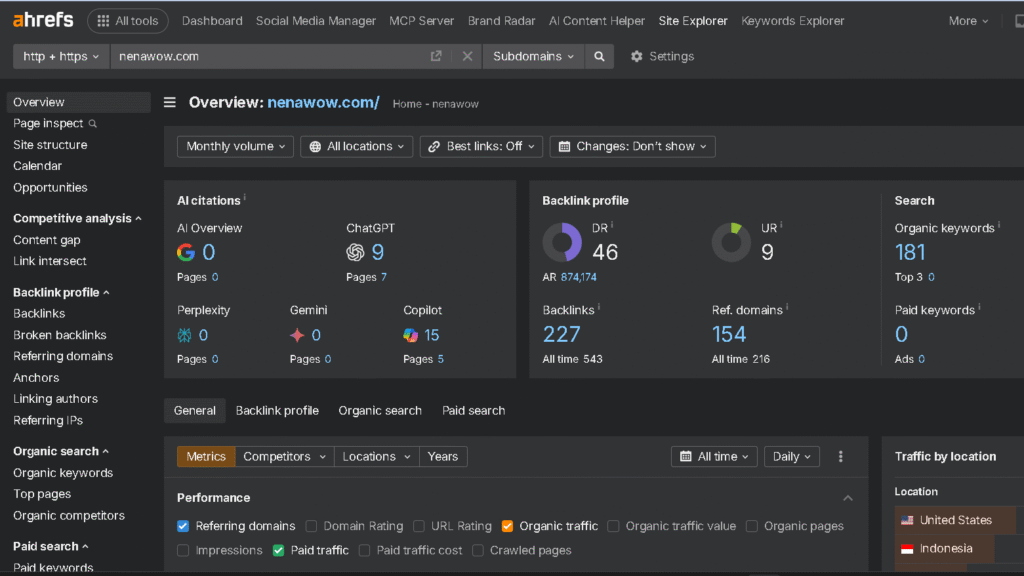
Ahrefs offers a sleek modern and contemporary interface that includes an left-hand navigation menu as well as clearly labeled toolbars like Site Explorer, Keywords Explorer along with Site Audit.
The layout is designed to allow deep analysis, however new users may need some time to figure out the layout. It displays large data sets, but doesn’t feel cluttered.
The filters, dates along with advanced sorts options are within the main report This can help those who are experienced.
SpyFu makes things easier. The majority of research starts by using a domain or a keyword search bar. Results are displayed in tabs such as SEO Research and PPC Research.
A lot of reviews on Ahrefs against SpyFu comparison suggest that SpyFu is more user-friendly to use for teams with smaller numbers. It streamlines analysis of competitors and lets you go from a keyword concept to a deeper understanding in less clicks.
Dashboards and Data Exports
Ahrefs structures dashboards around projects. Each project may include rank monitoring, site audits, and monitoring of backlinks.
The use of a trustworthy rank tracking tool is crucial for monitoring the success of SEO over time. Dashboards provide trends graphs as well as traffic estimates and link growth all in one location, which can help in implementing a long-term strategy.
SpyFu’s dashboards concentrate on the history of competitors and keywords that overlap. The Kombat view lets you compare multiple domains simultaneously that is perfect to quickly analyze competitive trends.
Both programs permit CSV as well as Excel downloads. SpyFu stands out due to its large exports, even with low plans, as highlighted in the Forbes Advisor Ahrefs comparison with SpyFu pricing comparison.
If your agency depends on exports of data for work for clients, that’s an enormous benefit.
Reporting and API Access
Ahrefs offers well-structured reporting with it’s Rank Tracker and Site Audit tools. These tools allow you to make rank tracking more efficient and then share your results with other stakeholders.
Visual reports can be created which highlight the movement of keywords and crawl issues as well as backlink modifications. It’s a great tool when you need quick overviews of the development of your website.
If you’re a member of a higher-tier program, Ahrefs unlocks API access. This means that you can create custom dashboards and blend data with other tools for marketing. This is great for teams who want to have greater control.
SpyFu uses historical data to inform its users and has decades of rankings and advertising data in its database. It allows users to dig deep into trends that span a long time and identify patterns that are difficult to spot with shorter timeframes.
SpyFu also provides API accessibility to professional plan. For those who want to automate reports that don’t require complicated workflows, this is a great alternative.
Pricing, Customer Support, and Value
Pricing determines the length of time a company can remain using the SEO tools. Support and the depth of features? These determine how much worth you will receive from it.
Pricing Structure and Free Plan Availability
Pricing for Ahrefs begins from 99 dollars for a month in the first plan. Higher tiers will cost a bit more, but permit you to track more keywords and allow more users. They are particularly beneficial for agencies with large data limitations.
There are some tools for free that use Ahrefs however there is no actual free plan. You can try some features, but any serious feature requires a subscription.
SpyFu takes a different route. The paid plans start at $35 per month and make it easier to access for smaller teams.
SpyFu even offers a free trial, although it’s a bit limited. If you’re a business that is just starting to dip your feet into SEO tools, this lower cost means it’s less risky for them to experiment with.
Customer Support Performance
Support from the customer is crucial when rankings decrease or your data isn’t as good. There is no need to wait for days to get answers.
Ahrefs has live chat, as well as an extensive library of resources.
SpyFu also offers chat support and also offers phone support on certain plans. It can make a significant impact for teams that do not have their own SEO specialists.
Setting up is another aspect. Certain comparisons claim that SpyFu facilitates the process of onboarding and general usage easier and you won’t require any assistance to get started. For teams who want to concentrate on outcomes, less headaches mean more time to focus on SEO tasks.
Value for Different Business Types
The value of a product is determined by your objectives, not just the cost.
Ahrefs is ideal for companies who require deep analysis of keywords, audits on backlinks or more detailed rank monitoring. Big brands and agencies often cost more since they are using the latest features daily.
SpyFu is a good choice to provide greater value to freelancers and small-scale businesses that are most concerned on competitor analysis and PPC information.
Businesses that require sophisticated SEO tools may be willing to pay the higher cost. Teams seeking reliable competitor information at a lower price typically prefer SpyFu. Here are some Ahrefs alternatives if you want to learn more.
Frequently Asked Questions
The choice from Ahrefs and SpyFu generally boils down to the depth of keywords and competitor insight backlink information price, and the ease of use to utilize. Each tool has its own strengths and weaknesses, so it is dependent on the needs of your team in the event that you’re comfortable with SEO and are looking to boost both your PPC and organic search traffic.
Which SEO tool is more effective in providing search engine optimization features Ahrefs, or SpyFu?
SpyFu places a great deal of emphasis on the volume of keywords and data from competitors. SpyFu pulls up an extensive list of keyword results, and also dives into PPC keywords coverage.
Ahrefs includes tools such as Content Gap, which shows the keywords that you’re competing with that you do not. This is a huge help when you’re looking to cover a variety of areas. Agencies frequently look at both the tools and Semrush to determine how they perform with respect to various search results.
Both platforms offer the score of difficulty for keywords and SERP analysis. Which is the “better” one depends on whether you’re looking for only keyword depth or information on content gaps in the marketplace.
What do Ahrefs and SpyFu differ in comparison to the ability to analyze competitors?
SpyFu is a platform that focuses on the research of competitors. It displays things like estimates of SEO Clicks PPC budgets and ad copy time and keywords that overlap.
Ahrefs also has tools for competitors but they focus more on backlinks as well as analysis of content. Paid search intelligence isn’t the primary focus.
What are the primary variations in the pricing of Ahrefs as well as SpyFu in PPC campaigns?
SpyFu claims to be the most affordable option. The plans are priced lower and come with many keywords that are tracked which are great for those who are heavy on PPC.
Ahrefs begins at a higher price, and its plans for entry restrict the reported keywords and reports more strict.
Are there ways to Ahrefs or SpyFu provide more extensive information on backlinks for SEO?
Ahrefs is a well-known company for its large backlink database. It also offers tools such as Link Intersect and tracks link development in detail.
SpyFu will provide backlink information but the database it uses isn’t quite as large. It is more focused on identifying links than it does on conducting deep audits.
Which one, Ahrefs or SpyFu, has more precise data on search volume?
Both instruments use clickstream data, and the models they have developed to determine the amount of search traffic. They don’t get Google’s exact figures, so use all estimates with a pinch of salt.
SpyFu provides a wider search to cover keyword terms, particularly on PPC keywords. Ahrefs blends keyword metrics with SERP and link information to provide greater understanding.
The choice is between Ahrefs and SpyFu Which tool has more ease of use for SEO newbies?
SpyFu provides a more simple dashboard with concise overviews. Many people say it’s easier to switch between overview reports and actionable information.
Ahrefs has more advanced features. This depth can make it harder for newcomers to grasp.