
You’re hoping for AI to discover the best keywords quickly, and keep you ahead of the trends in search by 2026. AI tools today sort intent, categorize similar topics, and identify the gaps that competitors leave out making it easier to create content that ranks. Utilize AI to identify search intent, construct semantic keyword clusters and identify gaps that offer significant opportunities.
They’ll guide your choice of tool settings, configuration, and AI SEO workflows to help you are less confused and more time creating content that is in line with what users are asking and what the AI-powered search results. The result is clearer content concepts, better targeting for AI-driven or voice-driven queries, and a more efficient way to determine what’s important.
Key Takeaways
- Utilize AI to determine if keywords correspond to the actual intent of users.
- Related topics in clusters to build more robust content hubs.
- Gaps in competition and emerging trends to win quickly.
Table of Contents
The Evolution of Keyword Research in 2026
AI is now helping teams discover keywords that they may have missed, grade intention more accurately, and integrates topics to clear content plans. The improvements focus on improving intentions indicators, semantic groups and mixing AI concept with real data from search.
How AI Has Changed Traditional Approaches
AI changed the way that keyword research is conducted away from database searches towards semantic analysis. Instead of just returning related queries and volume of searches, AI models generate long-tail phrases, questions based queries and niche variations derived from patterns in language. The result is a list of keywords that have little or no history however, they are clear about the intent of the user.
Teams utilize AI to analyze forums, support logs and conversations to identify unmet requirements. AI can also speed the process of repetitive tasks such as clustering, intent tagging and short generation. Human SEOs are still able to validate volume and the difficulty using tools such as Ahrefs or SEMrush prior to making a decision to commit resources.
Key Differences: AI-Powered vs Traditional Keyword Tools
Traditional keyword tools provide calculated metrics like monthly volume of searches, keywords difficulty and SERP functions. AI-powered tools and models provide the ability to understand semantics and develop ideas. AI provides intent-aligned phrases as well as alternative words and other related subjects that databases don’t know about.
Combining both: Use AI to increase breadth and nuance while traditional tools are used to calculate hard numbers. AI will suggest pillar subjects and accompanying articles; traditional tools assess competition and demand. This approach is a hybrid that helps to reduce wasted time and focus the content on areas where it is able to rank and make a conversion.
The Shift to Intent and Topical Authority
Searching in 2026 will reward pages that meet user expectations and demonstrate authority on the topic. AI aids in mapping the intent (informational and commercial as well as transactional) on a large scale, and group keywords into topic clusters that are coherent. This signals the relevance of modern answers engines as well as search overviews.
Teams focus on building links and pillar pages which cover intent stages. They keep track of trends and alter the clusters based on changes in user requests. It is still crucial to search volume however, the alignment of intent and depth of topic are increasingly determining which content gets the most visibility.
Selecting the Best AI Keyword Research Tools
Picking the right tool involves taking into account the accuracy of data as well as intent signals and how the tool will fit in with the workflow of a writer. Choose tools that will reduce time spent on cluster development, help you identify areas of low competition, and assist convert keywords into outlines that can be published.
Core Features to Look For
They must provide new search volume, CPC along with intention indicators (informational or commercial, transactional). Find AI-driven clustering which puts related queries in topics-specific clusters. This can save you time compared to manually-created spreadsheets.
A precise SERP analysis is vital. Tools that analyze live SERPs identify weak competitors, and reveal the places where forums, low-DA websites or results with rich content appear. It helps you find “easy win” keywords.
Integrations into workflows are crucial. The ability to export briefs, content editors and API access lets writers go from research to draft quickly. Also, make sure to check the frequency of updates as well as data sources and if the platform tracks AI-answer availability.
Popular AI SEO Keyword Research Platforms
Semrush along with Ahrefs remain the most popular choice for large-scale databases of keywords as well as backlink data and competitive analysis. Semrush offers a customized difficulty of keywords and visibility features. Ahrefs excels in backlink-driven keywords and insights.
Surfer SEO and Koala AI focus on the on-page signals and optimization of content while you write. They employ NLP to help you choose terms and optimal frequency for each term. Frase and MarketMuse combine topic modeling and brief generation to accelerate the process of planning content.
Moz as well as Google Keyword Planner suit budget-conscious users. Tools that are low-cost like LowFruits (mentioned in the research) discover niche, low-competition opportunities. StoryChief and Perplexity provide workflow for content and AI-based answers as well. Claude and ChatGPT can create seed lists, but require validation against actual search data.
Comparing Leading Tools and Platforms
Compare these axes the size of your database, freshness and accuracy of intent clustering, content workflow. Ahrefs provides one of the biggest keyword indexes as well as solid competitor information. Semrush offers broader marketing tools, which are useful for SEO and paid search when they are in close proximity.
Surfer and Clearscope have been awarded for their optimization of writing. They offer real-time scores for content and terms suggestions. MarketMuse as well as Frase automate brief writing using AI modeling of topics which cuts down on the prep time for longer-form pieces.
To forecast trends and improve AI-answer visibility, use tools that monitor AI highlights and even chat-related mentions. Combining models that generate (ChatGPT, Claude) for ideas with validated tools (Semrush, Ahrefs, Google Keyword Planner) to provide numeric validation. Select a mixture of: one research-grade database, a tool for optimizing content as well as a cost-effective opportunistic discoverer.
Setting Up an AI-Powered Keyword Research Workflow
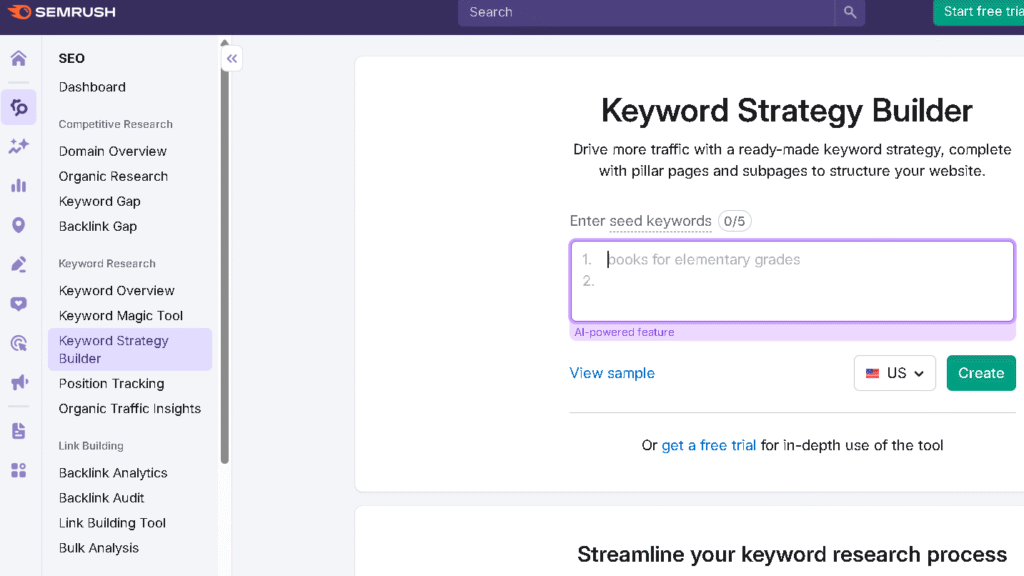
This set-up connects AI tools to real-world information on the site, and transforms an initial list of keywords into numerous useful keyword concepts and automates the initial stage of keyword research so the team can select top-quality tasks for this calendar of content.
Integrating AI Tools and Website Data
They link the AI workspace to actual sources such as Google Search Console, Analytics Search Console, site search logs and CRM query queries. The pulling of pages that have clicks, impressions, and query lists let AI assess the actual traffic signals rather than making assumptions based on general search terms.
They assign every data source into fields that the AI utilizes, such as query, URL of page impressions, clicks CTR, and the landing page intention. This mapping aids the model to identify keywords which have been proven to be successful and match with pages which are able to be modified.
They secure access using only read-only API keys and schedule weekly or daily syncs. A tiny Dashboard or CSV export ensures that the team is in a position to review each AI suggestion against actual website performance and track the monitoring of keywords in the course of time.
Importing and Expanding Seed Keywords
They begin with a concise seed keyword list, which includes 10-30 terms that are highly relevant and linked to core products or service pages. These seeds contain branded variations as well as local modifiers if relevant for the transactional and navigational needs.
Utilizing prompt chains or other specialized software, AI expands each seed into 50-200 keyword concepts. The expansion mixes question-style queries, long-tail phrases, and comparison queries. AI tags every result is based on intention (informational or commercial) and a first relevance score.
Then they remove duplicates the misspellings, plurals, and misspellings and then group similar terms into groups. These clusters are fed directly into the calendar of content to let writers know which posts fall under the pillar topics.
Automating Initial Keyword Discovery
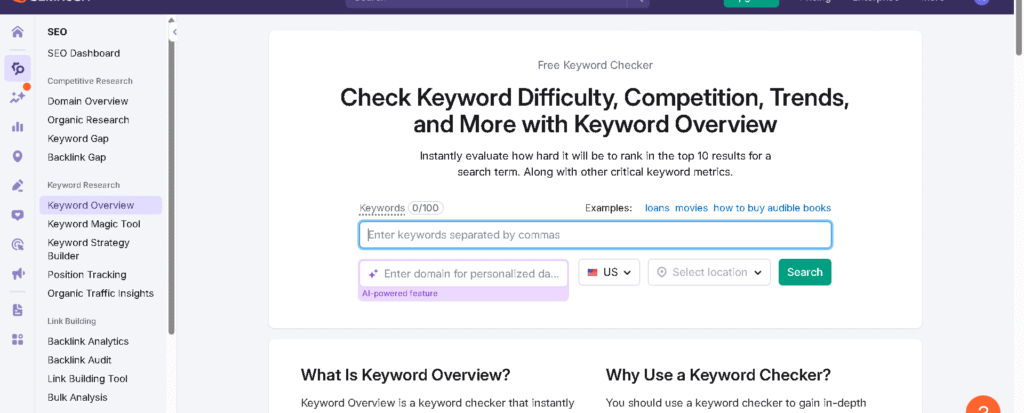
They create a repeatable task that ingests site query data add the exports of competitor keywords, perform AI-driven growth, and then output rankings of keywords. The task runs according to a set schedule: weekly for sites with active websites, monthly for sites with low change, so the keyword search remains current.
Automation includes filters such as minimum impressions, minimum relevancy score and tags for business alignment. The system will push the top candidates to the calendar of content with suggested article types (how-to review, how-to, and comparison) and recommend pages to be updated.
They keep human reviewers on the table. Editors review the top 20 recommendations each time they run, check for that they are in line with the intention, and add selected keywords to their production queue. This helps save hours of manual research while ensuring quality control of the ranking process and results in conversion.
AI-Driven Search Intent and Intent Classification
This section describes the process by which AI detects the goals of users in search queries, organizes the goals into clear intention kinds, and ties each intention to the most effective design for the content in order to improve effectiveness and higher conversion rates.
Understanding Search Intent Types
The search intent is the goal of the user when they type in a query. The most common types of queries include informational (seeking information or a guide) as well as commercial investigations (comparing alternatives) and transactional (ready to purchase or take action) as well as the navigational (looking for a specific website). Keywords for informational purposes are “how to fix a leaky faucet.” Keywords for transactions are “buy cordless drill near me.” Commercial intent is a place between them, for example “best cordless drills 2026.”
The way you define intent is crucial as it affects the goal of the page and expectations of the user. Pages that do not match intent typically result in lower engagement and lower ranking. SEOs must label their the keyword lists according to intent, and keep track of search engine results intent signals, such as highlighted snippets of content products listings, review pages to verify the primary intent of each search.
How AI Detects and Maps Intent
AI models employ information from the SERP’s composition and query language and aggregated click behaviour to determine the intent. They look at the top results kinds (articles or product pages lists, and articles) and match those patterns with the queries. Natural Language Processing (NLP) recognizes key words and phrases related to the intent of the search “how” and “why” are informational in nature; “best” or “vs” indicate a commercial investigation and verbs like “buy” signal transactional intent.
Intent detection is also a method of clustering. AI group thousands of similar queries into topic clusters and then assigns an intent-related label dominant on each of the clusters. This helps reduce noise from long-tail variations, and allows you to determine which formats of content are the most successful in the context of that. Teams should verify AI labels by comparing manual reviews, focusing on specific brand-related or unclear questions.
Assigning Content Formats by Intent
Convert content to match the intended purpose to satisfy the needs of the user and increase conversion rates.
- Informational purpose: Write detailed instructions, step-bystep tutorials, and informative blog posts. Make use of clear headings as well as FAQs and structured data to highlight excerpts.
- Commercial investigation: Create product reviews, comparison pages reviews, as well as pros and cons lists. Include scores, pricing ranges and confidence signals.
- Transactional intent: Design optimized pages for your products and local landing pages as well as clear CTAs. Make sure that your pages load quickly along with inventory details, as well as pricing and availability schema.
- Navigational purpose: Provide strong web pages, landing pages as well as clearly defined app or homepage hyperlinks.
Use an intent-to-format table for planning:
| Intent Type | Best Content Format | Key Elements |
|---|---|---|
| Informational | Guides, FAQs | How-to steps, images, structured data |
| Commercial | Comparison guides, reviews | Comparison tables, expert quotes |
| Transactional | Product/landing pages | CTA, pricing, schema, local info |
| Navigational | Brand pages | Clear links, search functionality |
They should prioritize pages by intent match, then optimize on-page elements and schema so search engines and users immediately see the page’s purpose.
Semantic Keyword Clustering and Topical Mapping
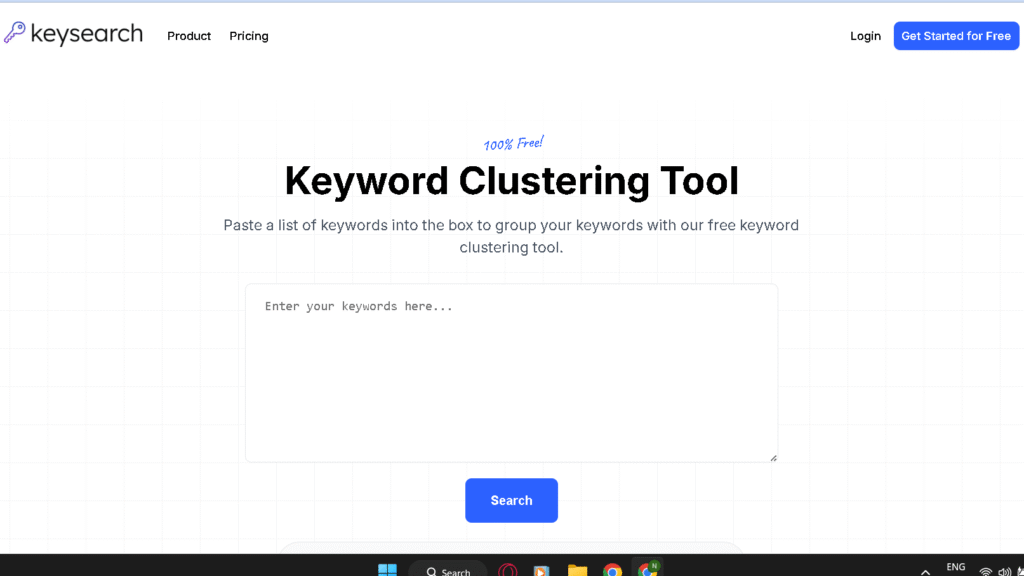
This section describes the way AI organizes associated to search terms, how these groups evolve into topic clusters and page pillars, and how topical maps direct the content that gains authority over time.
Using AI for Topic and Keyword Clustering
AI systems look over large keywords and categorize them by intent, meaning and the searcher’s needs. They employ the concept of semantic clustering as well as topic modelling to connect searches like “coffee grinder review,” “best burr grinder under $100,” and “burr vs blade grinder” into a single cluster. Marketers incorporate the volume of searches, click-through rates as well as rankings of competitors into the model to ensure that clusters are able to prioritize queries with the highest potential. AI provides core topics, subtopics that support them, and content outline for the various groups.
The benefits include less redundant pages and more clear internally linking strategies. Teams can save time by obtaining keywords that are semantically related and concise articles that are designed to meet user intentions.
Building Topic Clusters and Pillar Pages
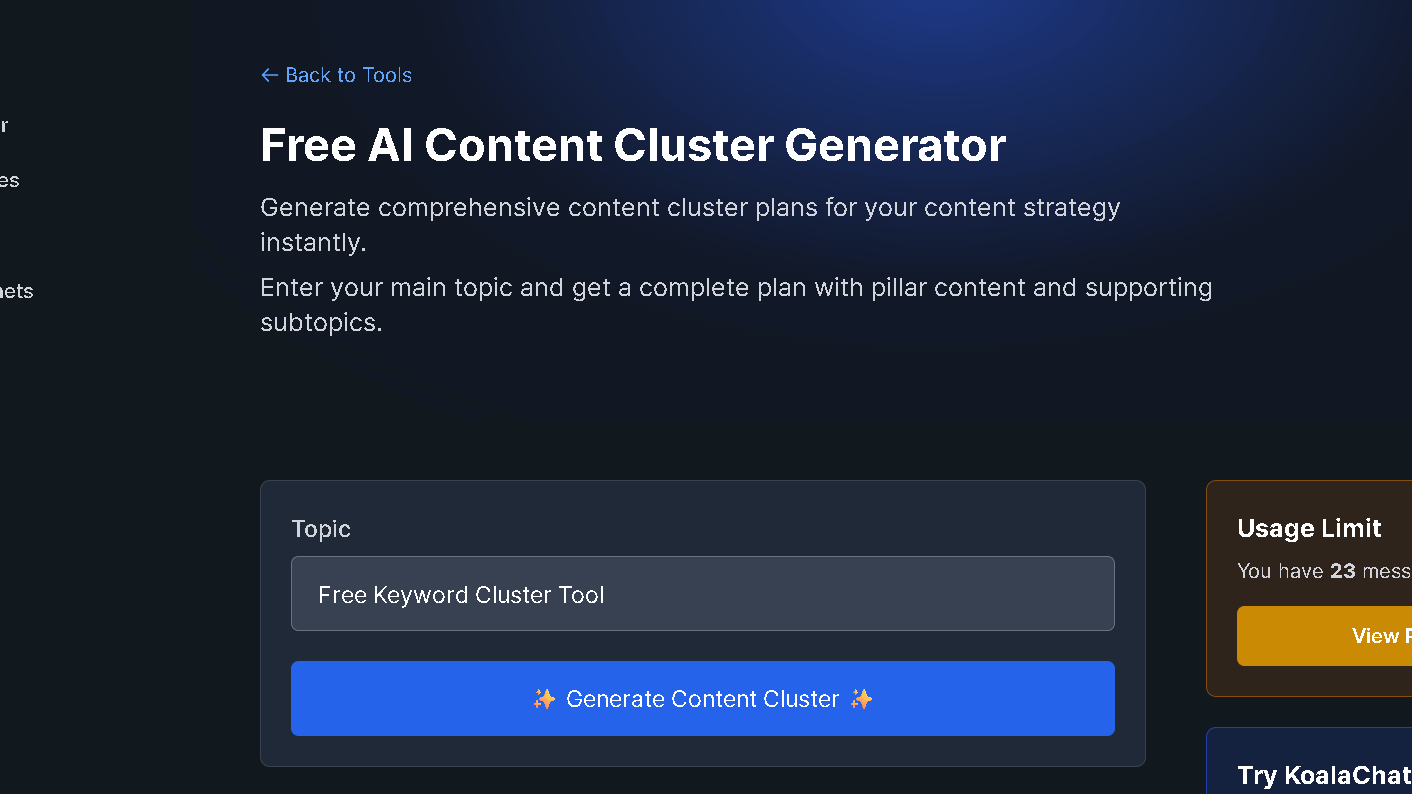
A pillar page is the broad subject and includes it links to related articles that focus on more specific angles. For instance, a page about “home coffee equipment” links to pages about grinders, techniques for brewing, and maintenance.
AI assists in determining the best topic of the pillar by analyzing the overall demand across clustered keywords, and spotting areas of competition’s coverage. AI also generates content outline including headings, key points and what articles to hyperlink.
The pillar should be published first, or modify an existing page. Then create additional articles for every cluster subtopic. Make sure to use consistent internal links as well as anchor text to communicate the relevance of the topic to search engines.
Creating Topical Maps for Authority Growth
Topical maps highlight how pillar pages, related articles, and keywords are linked across the website. AI creates such maps via mapping clusters onto URLs prioritizing them, and recommending links.
Teams make use of topical maps to organize content calendars and fill gaps in clusters that lack depth. The map should contain the cluster’s name, link to the pillar, article titles, targeted keywords and internal links that are suggested.
Maintain the map through periodic audits. Run AI analyses to identify new trends in search, refresh outline, and combine or divide clusters when intent changes. This ensures that authority on the topic is in line with actual search behaviour.
Artificial Intelligence for Competition and Gap Analysis with AI
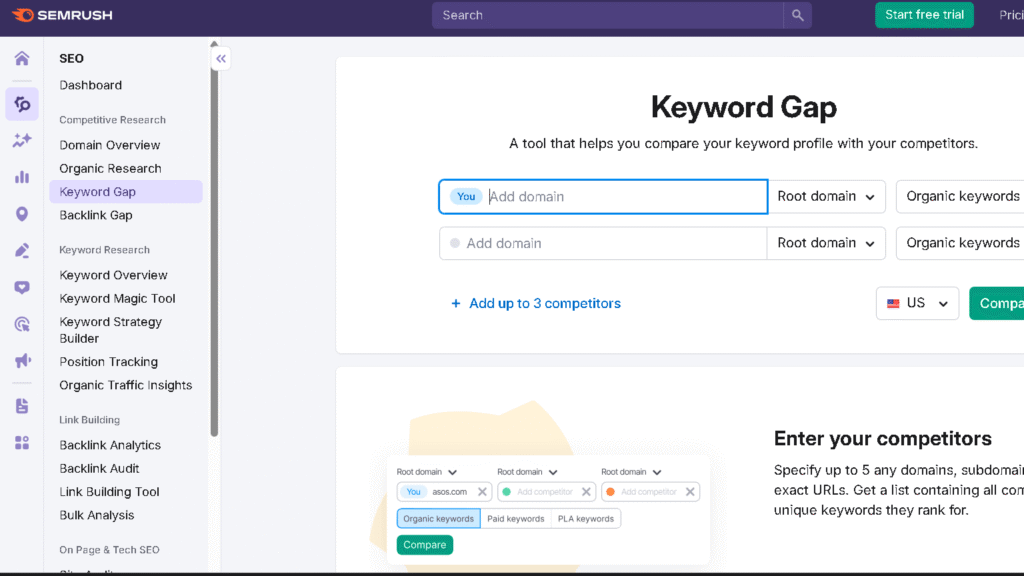
AI aids teams to determine which words and contents are used by competitors, what gaps are present, and also how to change the content’s positioning to attract traffic. It accelerates analysis of competitor keywords, reveals keywords with high value and suggests strategic moves to position themselves in the market.
AI-Powered Competitor Keyword Analysis
AI collects competitor keyword information from a variety of sources and arranges it according to rank position, volume, and intent. Teams upload domains to an AI tool and receive both lists of the keywords which competitors rank for and estimated traffic for each keyword. This will reveal which pages generate the most traffic for each competitor.
AI can also group related phrases automatically. It saves time while creating topic clusters, or when deciding whether to target a particular long-tail word or a bigger hub page. Utilize the output to identify the top-volume commercial terms, informational queries that competitors have, and pages that are easy to rank.
Frequency of auditing matters. Perform competitor scans on a monthly basis for niches that are moving quickly and quarterly for more stable verticals. Convert prioritized lists into the content calendar, so that SEO and writers can take action on gaps that are real instead of relying on guesswork.
Identifying Content and Keyword Gaps
Competitive gap analysis compared your keyword set against your competitors to determine three categories of importance: keywords that aren’t ranked for, weak keywords in which you are ranked but not as well with your competitors, and unique keywords only you have. AI evaluates these gaps based on their impact and the feasibility of by using filters such as volume of search, difficulty of keyword and intention.
For each gap AI suggests the most appropriate formatting for the content by studying the top-ranked pages: listicles or comparison pages, how tos, as well as product webpages. This helps to avoid the possibility of a mismatch in intent. Teams should initially focus on missing high-conversion and commercial queries. They should then address poor informational sites by enhancing depth, examples, as well as internal hyperlinks.
Also include content gap analysis: AI spots topic areas your site is missing for example, onboarding guides or integration instructions and links them to certain keywords. This helps you move away from a few posts to a logical content hub that matches users’ journeys.
Leveraging Competitive Positioning for Growth
AI-driven competitive intelligence converts a gap into an AI SEO strategy for growth by identifying opportunities and corresponding to goals of the business. Begin by evaluating opportunities using an ICE-like approach that includes impact (traffic and revenue) as well as confidence (quality of competitors) as well as accessibility (content or update costs). Choose high-impact keywords for commercial in which competitors rank, however pages have weaknesses.
Utilize the competitive positioning technique to differentiate your content. If your competitors are using lists with shallow content make guides that are hands-on with original images, screenshots and transparent product comparisons. If brands dominate terms look for long-tail keywords and FAQ schemas to create AI-driven answers.
Monitor results using an interactive leaderboard that shows the top keywords Pages improved, keyword winners, and traffic growth per. Re-check your competitors following major changes to spot retaliation and new players. This keeps the strategy in flux and connects SEO directly to quantifiable growth.
Predictive Keyword Analysis and Trend Forecasting
Predictive keyword analysis makes use of both current and historical data to determine the rise in searches, likely keywords that will be winners, as well as the phrases that people are likely to use in the future. It combines the historical trend tracking system, the real-time signals and AI forecasting to aid in the planning of content and to target keywords.
Historical and Real-Time Trend Tracking
They gather historic search volume as well as click-through rates and ranking changes in order to establish an overall base for every keyword. It reveals what topics grew or decreased over the course of several years, and also shows the seasonal patterns of industry cycles or.
Real-time signals are derived from searches on search consoles as well as social mentions and news spikes. Combining them can help identify sudden changes in interest and verify whether an increase is a quick period or a beginning of a trend that will last for a long time.
Tools usually show trends through time-series charts. They also compare multiple keywords against each other. Analysts establish limits (e.g. continuous 30% growth month-to-month) to highlight keywords that are worth pursuing.
Predictive Analytics for Future Opportunities
They use time-series forecasting as well as regression models to predict demand for keywords in the weeks or months in advance. Models rely on past trends in search as well as seasonality and other external factors such as new announcements of new products or changes to policies to forecast future volumes.
Keywords are ranked by predictive scores based on anticipated traffic increase and the amount of the amount of effort required. Teams will prioritize keywords with high scores for refreshes, new content or targeted tests prior to committing massive content resources.
They also test forecasts by conducting small tests: release an article, track “people also ask” triggers and then increase the content as engagement increases. This decreases risk and transforms the trend prediction into an opportunity to measure.
Emerging Topics and Conversational Queries
AI analyzes the phrasing of queries from voice search, long-tail searches as well as “people also ask” boxes to identify conversational terms. This reveals natural-language questions users type or speak rather than just phrases that are short in length.
They convert these conversationsal questions into content formats such as FAQs, how tos, and short-answer sections that are optimized for featured snippets of content and voice responses. Prioritize queries that show constant growth in the intent of conversations and low competition direct.
Semantic clustering combines similar topics and questions, so one page on pillars can be used to answer multiple questions from a conversation. This technique increases authority on topics and is in line with the way Google AI overviews typically reflect the user’s intentions.
Enhancing the Content of your website and measuring Results Using AI
AI helps speed up briefings tune-up, briefing, and tracking. Teams should utilize tools that create well-structured shorts and briefs. They can also score their drafts to determine relevance, E-E A-T signals and relevancy and track clicks, CTR and the rate of conversion.
Creating Content Briefs and Content Scoring
AI creates data-driven content briefs that include the target’s goals, keyword clusters suggested headings, and other essential entities. A well-crafted brief identifies the primary and secondary keywords, optimal length of content as well as the format of content (how-to compare, product page and pricing page) and call-to-actions for registration flow or landing pages for PPC.
Content scoring tools evaluate Drafts for accuracy against the document. Scores are based on topical coverage keywords intent match, readability and the originality of the content. Check E-E A-T: include the test results, firsthand information or author’s experiences. Make sure to include reliable sources as well as case studies with screenshots and note any claims that appear to be hallucinations for verification. Human editors must look over AI scores and include actual experiences before publishing.
Optimizing for SERP Features and Featured Snippets
Target content to particular SERP features like highlighted snippets of content people Also Ask and Google AI overviews. Form answers into concise chunks: a 40-60 words outline for snippets of content with a 3-6 bulleted list of steps and a clear question H2 at the end of every answer. AI can look at pages that rank high and suggest the wording and microformat that will win short snippets.
For pricing pages and product pages, you can use tables and brief comparison sections to boost the chances of snippets. Keep track of impressions and CTR in Search Console to see which the snippets are more effective than click-free AI overviews. If a search with high impressions produces low clicks, modify the meta and snippet leads to provide a reason for users to go there (unique information, a calculator or an exclusive insight).
Internal Linking, Schema, and On-Page Optimization
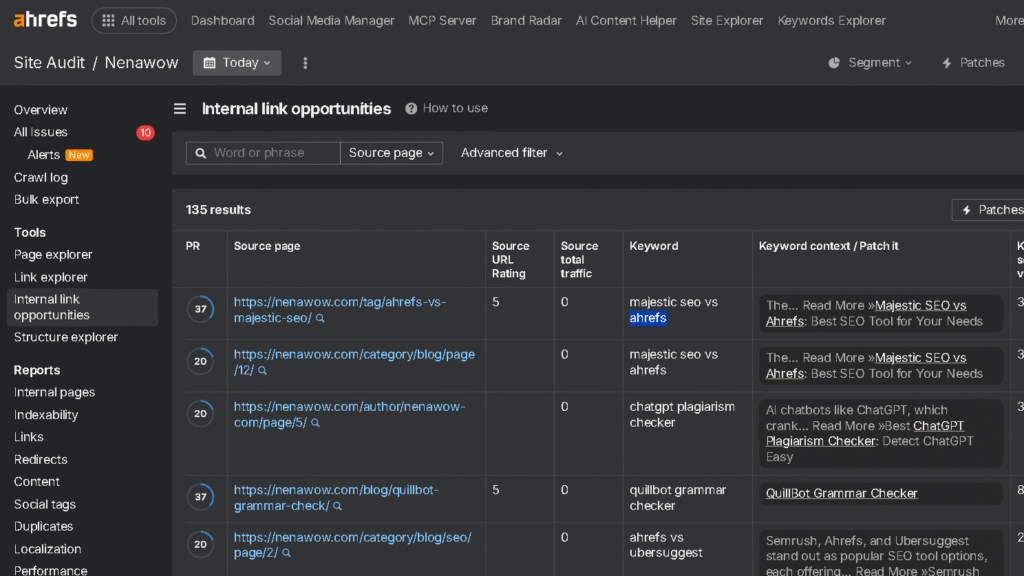
AI analyzes topics and suggests internal links that channel authority to pages targeted for. It is able to suggest different anchor text options and also identify pages with no content. Prioritize internal links on high-traffic pages to pricing pages, product pages, or other key signup flows to increase conversion.
Use schema markups to tell AI as well as search engines about the content of each page. includes. Implement product schema on pages for products, FAQ and QAPage for signup flow and help pages. examine schema for testimonials. On-page checks include title tags an H-tag structure, optimised images alt text and mobile layout. Combining AI technical audits and manual fixes that fix problems with crawls, Canonical Tags and page speed issues that impact indexing and the user experience.
Frequently Asked Questions
This section answers practical questions about using AI for keyword research in 2026. It gives clear steps, tool uses, and risk controls you can apply today.
What are the best practices for integrating AI into keyword research for SEO in 2026?
It is important to establish objectives for the business and identifying target audiences prior to conducting any AI suggestions. Utilize AI to generate keywords Then, validate the volume and the difficulty of them using Ahrefs, SEMrush, or Google tools.
Make sure that the prompts are specific. Include geography, audience, industry area of focus, and a few examples of keywords. Request intentions labels as well as suggested formats for content and clustered groups in order to help plan faster.
Combining AI innovation with the validation of your data. Make use of AI to help you think up ideas and create clusters traditional tools for searching volume and SERP metrics as well as a specialized SEO AI tool for on-page optimization.
Create a guardrail to stop hallucinations. You must have sources, cross-check low volume suggestions, and then log prompts to ensure that they are reproducible.
How can AI tools improve long-tail keyword discovery and analysis?
AI finds semantic variations and phrasing users actually use, including question forms and niche subtopics. It can expand a seed keyword into dozens of realistic long-tail terms tied to intent and buying stage.
Utilize AI to group these long-tails according to the topic and intention so that editors can design the pillar pages and posts to support them. Also, validate demand using information from the search engine and rank them according to relevance to conversion, not only volume.
AI also detects spelling errors, local phrasings, and forum-language questions that traditional tools typically miss. This reveals opportunities for low-competition with the highest level of intent.
What steps should be taken to leverage AI for competitor keyword analysis?
Export keywords that rank in the top positions of competitors via Ahrefs, SEMrush, or similar tools to target domains. Then feed those lists to AI and request gaps analysis. Topics which competitors rank for but you don’t, as well as clusters of keywords with high-opportunity.
Create AI evaluate gaps based on the importance to business as well as estimated volume and probable difficulty. Then, prioritize projects for content and update the calendar of content with specific ideas for articles as well as internal link plans.
Check the validity of AI advice against raw SERP data, verify the page’s top ranking intent and determine if you are able to create better content with the help of your experience and sources.
How can AI be utilized for predicting keyword trends and their future potential?
They must combine previous trends in search along with AI pattern recognition. You can ask AI to look up trends from sources such as Forums for industries, Google Trends and social data. Then, predict demand shifts over 6-12 months.
Create AI sort keywords according to the predicted growth rate as well as risk of intent change and strategic relevance. Make use of that ranking to select content that reflects the latest trends or secures authority ahead of competitors.
Re-run forecasts on a quarterly basis and alter the priority of forecasts when new signals are detected. Treat AI forecasts only as guidelines but not a guarantee and verify them with live traffic and rankings adjustments.
What are the most effective AI strategies for multilingual and global keyword optimization?
Begin with native-language seed prompts that incorporate local idioms and behavior in search. Make use of multilingual LLMs to create parallel keyword sets. Then determine the intent of SERPs and expectations according to market.
Find keywords grouped by language or countries, then map the content to local search intentions. Validate the volumes using local data sources, and then check other pages on each platform for authority and format.
Use regional search tools as well as human reviewers to spot mistakes in translation and cultural nuance. Choose markets where the business needs and compliant competitions are in line.
How does AI enhance content marketing strategy through advanced keyword research?
AI provides topics groupings and headline variants and concise outlines based on the buyer’s intent and user’s intention. Content teams can create articles that are in line with what customers want and the AI-driven engines use to cite.
It also suggests types of content – tutorials, reviews and product pages based on the intent of the keyword. Teams then can ensure that content production, internal linking, as well as conversion routes to these recommendations.
In the end, AI speeds scaling by making briefs and meta suggestions yet human review is still of high quality, accuracy and personal experience that builds confidence and lasts for the duration of rankings.