


Keyword research is the center of SEO and of digital marketing. It helps you to determine the words and phrases that real people use when they search online.
You can improve your website’s visibility this way, and increase organic traffic to your site, by ranking for the correct “keywords.” Skimp in this area and your content may not be found by the people you want to find it.
I’ve come to understand that keyword research is not just about choosing the popular words. It’s knowing what human beings actually want and finding the key words that cater to those needs.
When done properly, it informs your content strategy and it enables you to actually compete online.
Here is a detailed guide how I conduct keyword research. Below, I’ll include my tools and approaches for discovering keywords that drive relevant traffic.
This model applies to all types of sites that want to grow by connecting with the right people at the right time.
Understanding Keyword Research and Its Importance
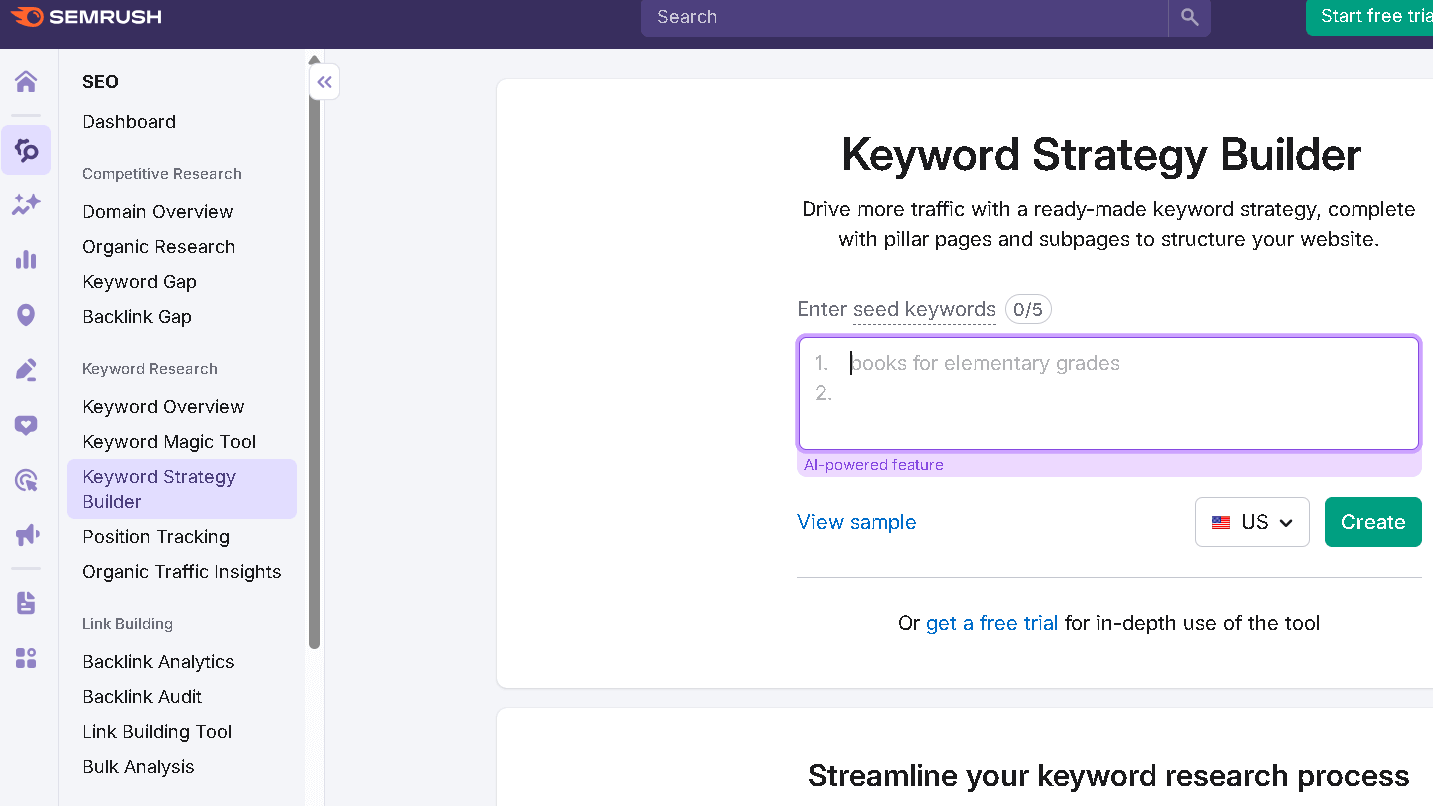
Keyword research is the foundation to effective SEO and content marketing. I can see what people actually type into Google and search engines.
When my content provides the right keywords I get organic traffic and find the users in that place. The different types of keywords all play a role in digital marketing and so I try to change them up.
What Is Keyword Research?
Keyword research is the way you find and analyze the words or strings of words that people are typing into search engines when they’re looking for information, products, or services. Knowing these terms enables me to make content that adheres to those expectations.
“This way I have a better chance to appear higher up in search”. I check search volume and competition with keyword research tools like Google Keyword Planner, Ahrefs, or SEMrush .
I’m not simply looking for the hottest words – I want keywords that are relevant to my goals and communicate well to my audience.
Why Keyword Research Process Matters for SEO

Without conducting keyword research, my SEO work would be wasted. Even if I have the best content, if I pick the wrong keywords, then the right people won’t find it.
Keyword research ensures that my content aligns with search intent – the users’ actual desire when they type a query.
Organic search growth: By targeting things people are actually searching.
Enhancing content relevance: The content must address genuine questions or needs.
Save time and resources: not engaging with overly competitive keywords, or irrelevant ones.
Types of Keywords: Short-Tail, Long-Tail, and LSI
There are three main keyword types I use to optimize content:
| Keyword Type | Description | Example | Purpose |
|---|---|---|---|
| Short-Tail | Broad, 1-2 words; high search volume. | “Shoes” | Generate high traffic but very competitive. |
| Long-Tail | Longer, more specific phrases. | “Best running shoes for flat feet” | Lower traffic but higher conversion potential due to clear search intent. |
| LSI Keywords (Latent Semantic Indexing) | Related terms that give context. | “Running sneakers,” “athletic footwear” | Help search engines better understand content and improve rankings. |
Short-tail keywords are often pretty confusing but mostly do attract very many searches. Long-tail keywords will be less searched, but visitors are often ready to act.
LSI words add context and help search engines figure out what my content is really about.
Three combined gives me broad topics to think about and narrowing down to specific needs. It also serves my niche or, at least, that’s the idea.
Defining Your Goals and Audience
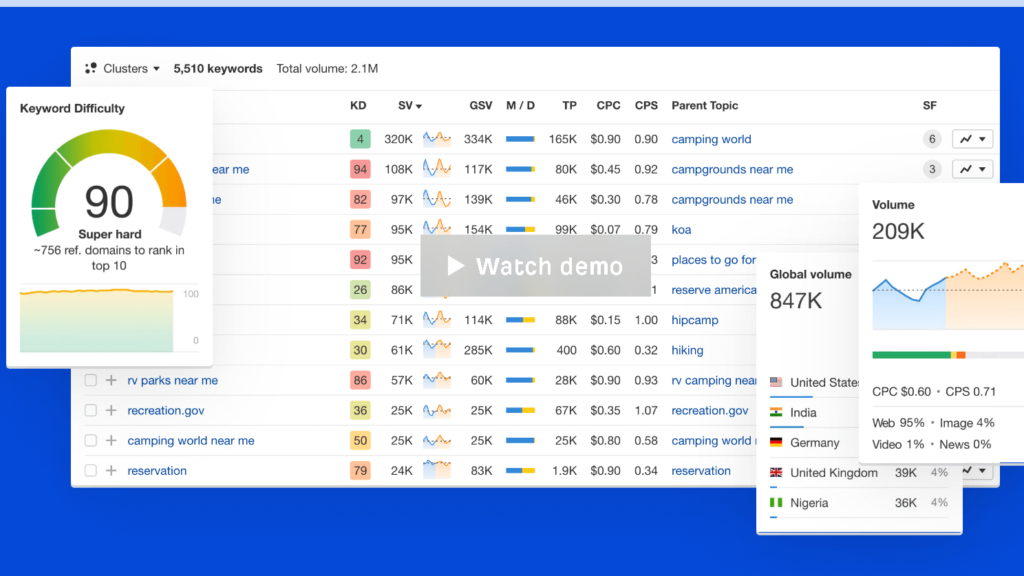
To begin searching, I try to focus on what I want and who I want to reach before attempting keyword research. This makes me pick keywords that actually match my SEO and content plans.
Setting Clear SEO and Content Objectives
First, I create SEO and content goals.
Will I want more traffic, more leads or more sales?
Clear goals help me find keywords that reflect what I want to do for my business. I think about my content goals as well. Are I writing blog posts to teach, product pages to sell, or reviews to convince?
For that reason, a goal has a search intention different for each goal. My goals are usually listed in my calendar.
In six months organic traffic will increase by 20%.
Number 1 for commercially intent keywords.
This can be done by setting aside the topical power of my niche.
Identifying Your Target Audience
Knowing what niche the audience is helps me narrow down what keywords to use. First I find out who they are, what problems they’re facing and what they search for answers.
I don’t speak English.
What does they ask?
What product or service would they like?
If there are beginners in my audience, I will read about informational keywords. If they’re ready to buy, I’ll focus on transactional keywords.
Understanding my audience also enables me to connect and engage with readers in the content, which can be easier to connect with and improve conversions.
Generating Seed Keywords and Keyword Ideas
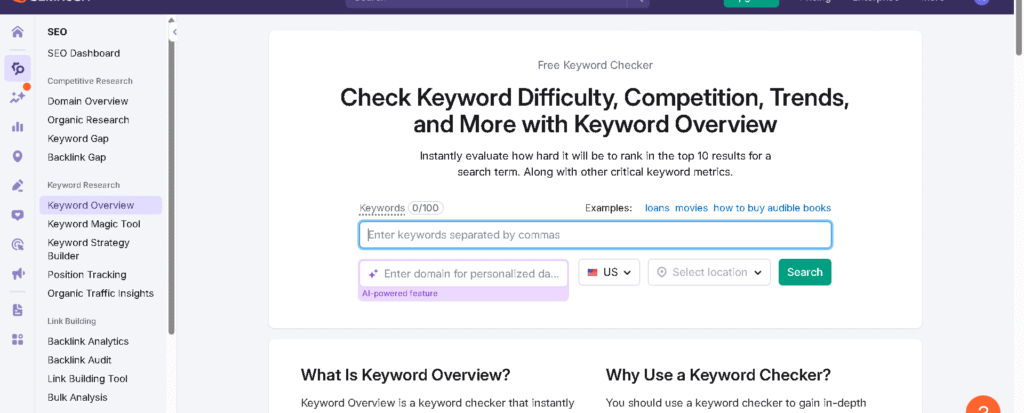
When I start keyword research, I focus on finding core terms that really represent my niche. These seed keywords give me a base for discovering more specific ideas and keyword opportunities.
I use brainstorming, search engine features, and keyword tools to build and refine my list.
Brainstorming Seed Keywords
I begin with clear and obvious keywords for my topic. These are typically single, non specific words or phrases that I wish to target as a keyword.
For a fitness site I’d use “workout”, “exercise” and “cardio”. I also include variations and abbreviations such as “HIIT” or “strength training” .
I attempt to consider the words my intended audience might use are and the words the competition is going after. I will often try and look up any terms I may have missed on wikipedia or industry websites.
Using SERP Features for Inspiration
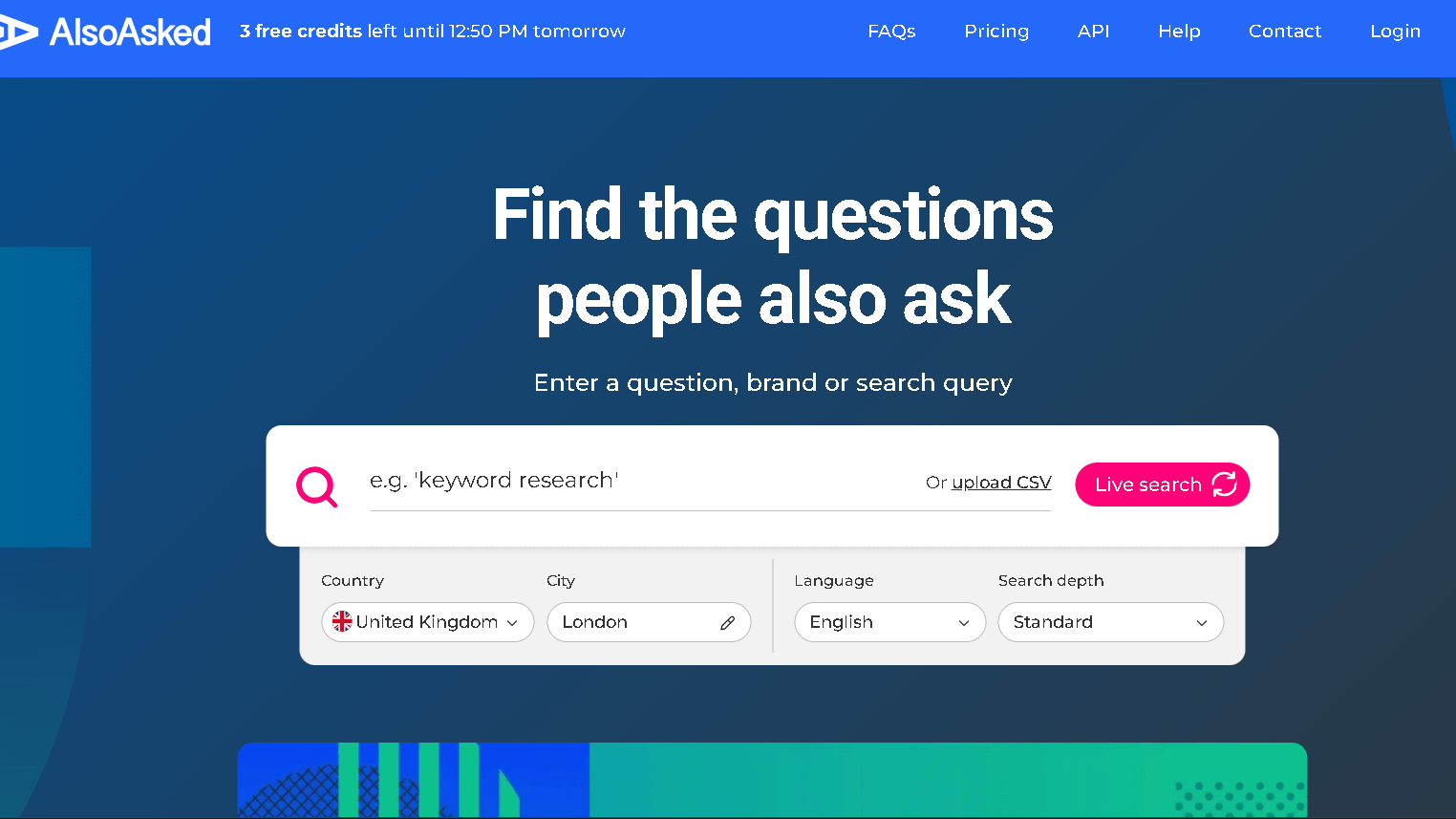
Google’s search results results are a fertile source of new keyword ideas. The People Also Ask boxes offer example questions and queries on a similar topic.
I also try the “Related searches” at the end of the page to give me more ideas. I also get a little bit more information about what keywords Google considers to be relevant keywords in titles and meta descriptions from the top ranking pages.
If I dig into the subheadings on those pages it often reveals long-tail keywords that I wouldn’t have thought of.
Leveraging Paid and Free Keyword Research Tools
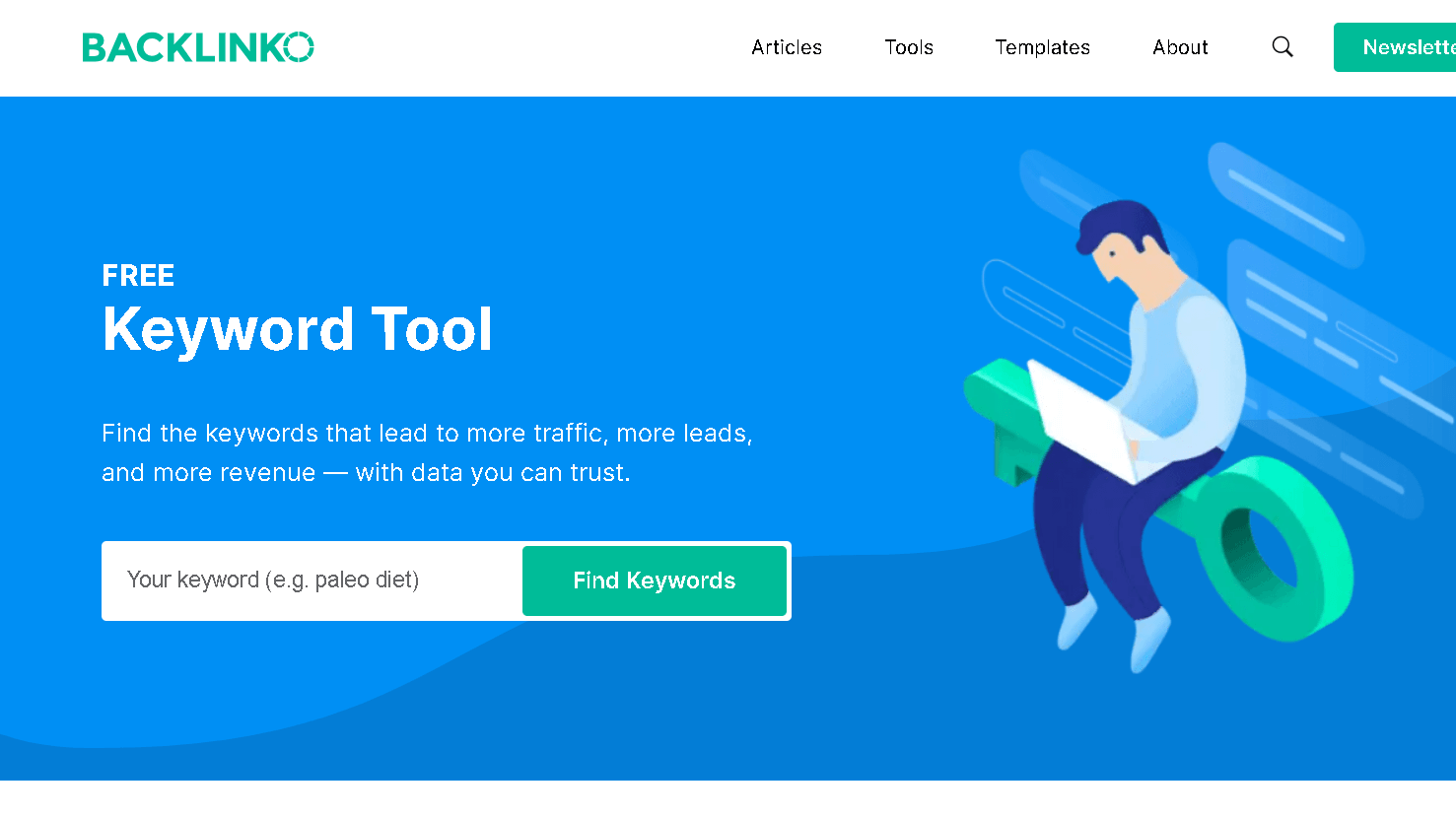
After I have my sets of seed keywords I run them into tools such as Ahrefs Keywords Explorer, Semrush (Keyword Magic Tool), and Ubersuggest. They return to me the search volume, difficulty, and similar terms.
I’ll use Google Keyword Planner for additional information about competition and trends, particularly if I’m planning for paid campaigns.
By using AnswerThePublic and Keyword Surfer, I can access question- based keywords as well as very rough Google results. I prefer to never miss a good keyword so I’ve always used a combination of free keyword tool and paid ones.
There is a free keyword tool, Backlinko.
Analyzing Keyword Metrics and Search Intent

Keywords I narrow down based on search volume, difficulty, user intent, traffic potential, and cost per click. These act as guidelines for me to find the right keywords that are actually impactful.
Evaluating Search Volume and Keyword Difficulty
The search volume shows me “how many times this keyword is searched per month”. Higher volume of searches equates to more traffic, but also usually higher competition.
Keyword difficulty is an indicator of how hard it will be to get to page one for a given keyword. I try for moderation. I usually get faster results if I target moderate search volume and medium difficulty keywords versus very competitive ones .
Monthly search volume: Higher is best, but it is also more competitive.
Keyword difficulty – the lower the better as I am a new site and therefore can’t compete for high keyword difficulty words .
Understanding User Intent: Informational, Commercial, Transactional, Navigational
Why people search matters a lot. I break intent into four types:
- Informational: People want to learn or get answers (e.g., “how to do keyword research”).
- Commercial: They’re researching products or services but haven’t decided (e.g., “best SEO tools”).
- Transactional: Ready to buy or take action (e.g., “buy SEO software”).
- Navigational: Looking for a specific site or page (e.g., “Ahrefs login”).
If I match my content to the right intent, I get better engagement and conversions. A blog post works for informational searches, while a product page fits transactional queries.
Assessing Traffic Potential and CPC
Traffic Potential is a guess of how many people might be visiting those using that keyword if I rank well. Depends on how much they are searched and where my site is positioned.
I also take into account the Cost Per Click (CPC), i.e. the amount advertisers are paying for clicks on that keyword. Because CPC generally equals commercial viability for a given keyword.
| Factor | Why It Matters |
|---|---|
| Traffic Potential | Shows possible visitors from SEO |
| CPC | Indicates keyword commercial value |
I use these numbers to focus on keywords that offer both good traffic and business impact.
Expanding and Refining Your Specific Keyword List
After I have a beginning list I then scope out and broaden the ranges of keywords. This involves identifying more appropriate terms, related keywords and how to group them .
The objective is to get that ‘diamond in the rough’ and align with what the user wants as much as possible.
Uncovering Long-Tail and Question-Based Keywords
Long-tail keywords, such as “best budget gaming laptop 2025”, are longer, often 3-4 word searches that are phrases rather than individual words, which people actually use in searches. These are generally less competitive and convert higher because they are super targeted.
I also seek out question-based keywords such as “how to improve laptop battery life”. This often gives me a sense of where the burning interest and curiosity is, which in turn helps me produce something that is relevant directly to that issue.
I find these questions using Google’s “People also ask” section and other forms of keyword tools. My list becomes more user centered and focused on actual user problems by including long-tail and question type keywords.
Identifying Related Searches and LSI Keywords
They are at the bottom of Google’s results as “related searches”. They tell about the things people are actually looking for behind a main keyword. You can discover related keyword for your topic.
You may stumble into some you never would have considered writing yourself.
LSI(Latent Semantic Indexing) keywords are words and phrases that are very close to my primary keywords. These help search engines determine the context in which my content is set.
For example, if my main keyword is ‘digital cameras’ then LSI keywords can be ‘camera lenses’, ‘ISO settings’, and ‘photography tips’.
Next, by incorporating synonymous and LSI keywords into the article, I ensure that I cover the topic comprehensively and – more importantly – I increase the relevance of the topic in search results, and I don’t mean “keyword stuffing” in the traditional sense.
Clustering Keywords by Topic
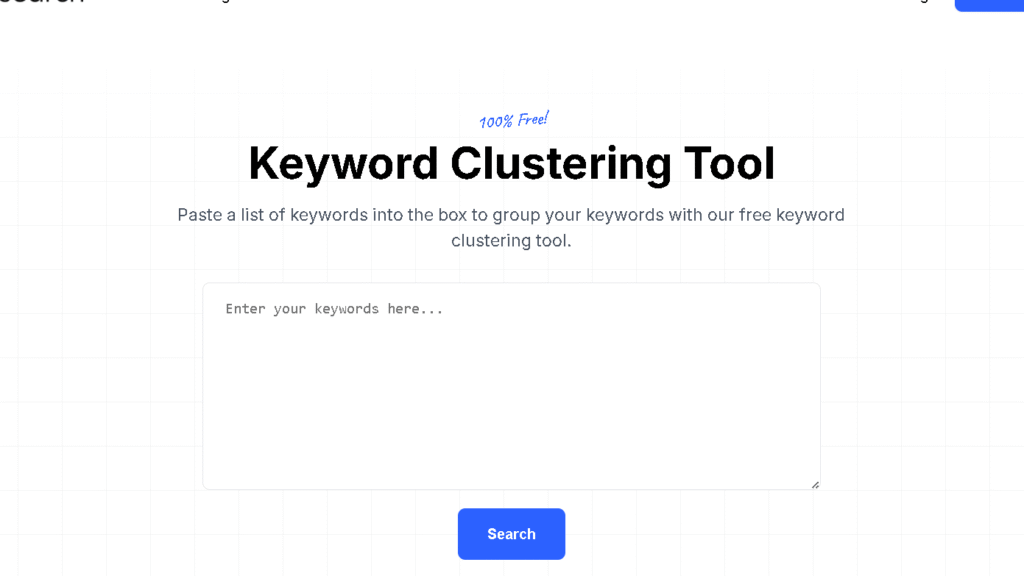
I create keyword clusters by common theme or desired outcome . I use free keyword cluster tool .It helps to make content planning less ‘spaghetti-like’ and helps accrue topical authority over time.
For example, my main topic is “home gardening”. I would segment it into groups such as “ vegetable gardening”, “indoor plants”, and “gardening tools”.
The words connected to each cluster are the keywords provided for that cluster. It prevents me from jumping between topics willy nilly and allows me to work on creating material that spans an entire region.
It also makes it easier to interlink pages which is beneficial for SEO as well as for the user experience.
Competitor and SERP Analysis
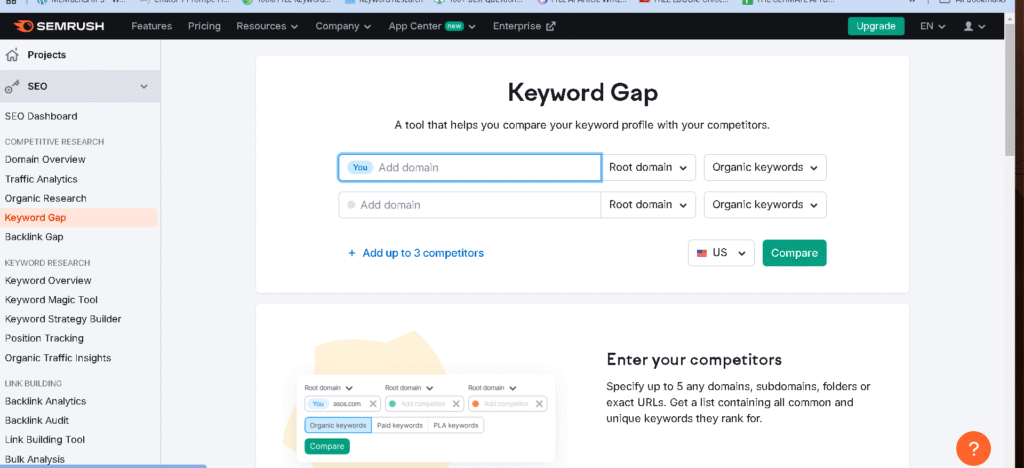
When I need to get my best keywords I “steal” from my competitors, and analyze the SERP. That way, I identify future trends in content where my content can stand out, and identify SERP features I might be able to capitalize on.
Analyzing Competitor Keywords
I’ll generally begin by finding what keywords my competitors are ranking for. This is fairly easy using SEMrush, Ahrefs, or other similar tools- I basically type in their domain and it will give me a list of their most successful keywords.
This shows you what words are bringing their traffic in, and perhaps how hard to beat their SEO game is. I use competitor keywords to determine what topics actually count in my space.
Keyword difficulty is major factor here. If I think a keyword is too competitive I may hold off or plan for a longer term push. I tend to target keywords that have heavy competition, but not too much.
Identifying Keyword Gaps and Content Opportunities
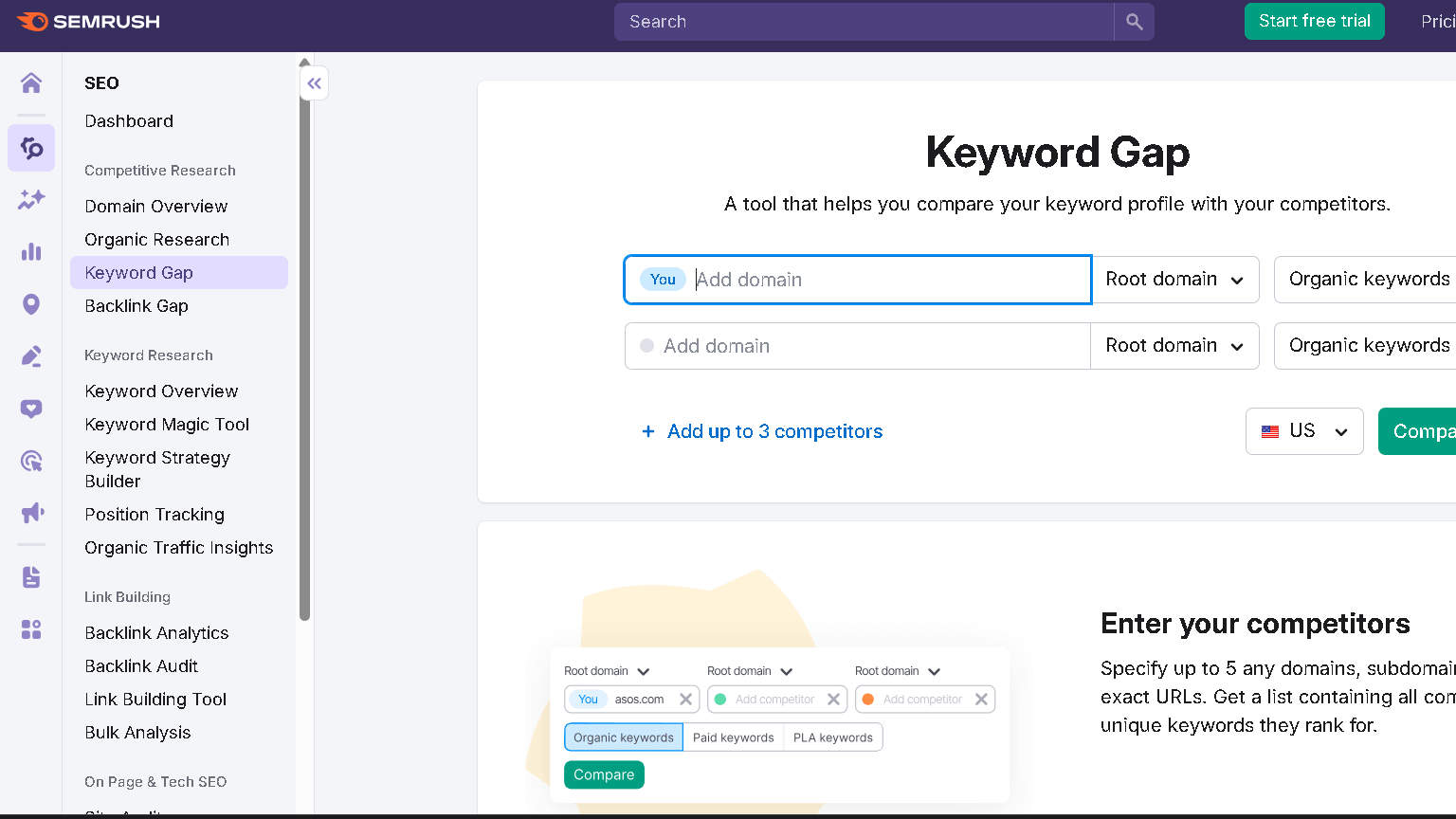
After collecting my list of competitor keywords I will then perform a keyword gap analysis. Essentially this means I’m cross-checking my keywords with their keywords, and identifying keywords that they rank for and I do not.
It’s as though these gaps act as little flashlights to the newer content or refinements to old pages. I attempt to serve them content that is more useful or comprehensive than what already exists.
Frequently, this has led to me finding out what the rankings are for those keywords that have “decent” search volume but “little” competition . Those are the ones I prefer to target.
Assessing SERP Features and Organic Competition
Next step is to have a look on what the actual results page for my target keywords. I search for SERP features such as featured snippets, “People Also Ask” boxes, local packs, and ads.
Such features have implications for the organic traffic available and may in fact affect how I write my content. If there is a featured snippet I study the format of this; and then, if it is a list, table, or paragraph, I try to match or ‘top’ this.
I also look at the domain authority scores of the existing top ranked pages to gauge the expected authority score. Understanding the complete SERP is beneficial because it helps me figure out what Google is looking for and how I can amend my SEO campaign accordingly.
Organizing and Prioritizing Keywords for Strategy
In order for any keyword strategy to be effective, I must put keywords in an order that makes sense to me and determine which are most important. This also guides me into the proper audience and numbers of conversions as well as maximizing my SEO.
Categorizing Keywords by Intent and Funnel Stage
First I segment keywords to target by search intent and stage in the buying cycle users are at. The majority of search intent is one of four types: informational, commercial, navigational, and transactional.
- Informational keywords are for people looking to learn something
- Commercial keywords are for those researching before buying
- Navigational keywords help users find a specific site
- Transactional keywords target people ready to take action, like making a purchase
I also sort keywords by funnel stage: top (awareness), middle (consideration), and bottom (decision). This way, I can match content to what users want at each step.
For example, blog posts work well with informational keywords, while product pages fit transactional ones. Organizing like this helps my content line up with searcher intent and improves both rankings and conversions.
Prioritizing Keywords by Business Value and Ranking Potential
During sorting, I select which keywords have the highest likelihood of providing business value and a high rank. Here’s what I look at :
- Conversion potential
- How difficult it will be to rank (Keyword difficulty scores / Competitor research)
- Monthly search volume and Traffic Potential on a monthly basis
- Relevance to the broader schema of content I plan to generate for such keyword
In any case, I try to choose keywords that may generate leads or sales, or drive up my site’s authority. If a keyword has mid- competitive level but high business value, I typically prefer to rank for it over a high volume keyword that won’t convert.
Occasionally I will go after the competitive keywords if they are especially a really valuable. I own the content around them from the outset, and begin to build links over time. Having business objectives in the forefront of my mind, is what keeps my SEO current and relevant.
Effective Keyword Placement and On-Page Optimization

Strategically incorporating keywords in the correct places assists search engines in discerning what my page is all about and helps improve rankings. I place the main keywords in titles, headings, and throughout the body, but do not overdo it.
It also enhances your SEO efforts and good practices to improve meta descriptions, image alt text and create internal links . I always try and maintain it , just as much as I can- no keyword stuffing.
Incorporating Keywords in SEO Content, Titles, and Headings
I tend to use my primary keywords in the page title and main headings. Titles but should be clear and if possible get the main keyword in right away.
I use headings to help categorize and direct the reader, and so I toss keywords in there where they are relevant, particularly H1, H2, and H3 tags.
Then, I “space” the keywords apart within the content. I try to include variations and synonyms so that it doesn’t become too redundant. Understanding keywords in relation to user intent is important – I want to respond to what people are really seeking.
Optimizing Meta Descriptions, Alt Text, and Internal Linking
Meta descriptions appear in searches and should be short, contain the primary keyword, and be enticing as marketing copy . While they do not influence rankings, a well written meta description can drive click-throughs.
I provide appropriate keywords for alternate text images. This action allows search engines to “see” the images and also makes the image accessible to all.
These will be internal links to related pages here on my site. I use keyword- laden anchor text to assist my visitors and spread the SEO juice. Clarity of structure engages user longer.
Avoiding Keyword Stuffing for SEO Best Practices
Keyword stuffing will kill you, both from an SEO perspective and a readability perspective. I also avoid overloading on the same keyword and stuffing it where it’s unfit.
I do not strive for this; my writing is not particularly polished and I use keywords only where I think they make sense. The multiple synonyms and related phrases help add variety and ensure that they will be picked up in more queries.
This is what makes content better for the reader and yet still helps search engines rank it accordingly.
Tracking, Measuring, and Refining Keyword Performance
Monitoring of keyword performance simply lets me know if my strategy is working or not. I also constantly watch my rankings, traffic and all those sorts of statistics so I can adjust things and keep my site growing.
To monitor progress, analyze results, and for keeping my list of keywords fresh, I employ a variety of tools and methods.
Monitoring Keyword Rankings and Organic Traffic
I keep track of my keywords rank. SEMrush and Ahrefs for checking if specific pages are moving up or down.
And then watch for organic traffic in Google Analytics. This tells me how many visitors I get from search and what keywords are attracting the most people.
In addition, I also look at impressions and CTR in Google Search Console. If a page is viewed a lot and has a high impression count, but few people click on it, perhaps it is the title or meta description of the page that needs to be rethought.
Analyzing Performance with SEO Tools
SEO tools provide deeper analytics beyond just rankings and traffic. For each keyword Google Search Console, for instance, displays data about the keyword impressions, clicks CTR and average position.
This enables me to identify keywords that get traffic but could easily rank higher with some work. I also use Ahrefs or a similar tool for monitoring backlinks and competitor keywords.
Backlinks are also a way to increase SEO ranking by adding a sense of authority. My look at CTR and bounce rates tells me if my content is in alignment with what users are looking for or if I need to update it.
Updating and Expanding Your Keyword Strategy
I am constantly updating my list of “keywords”, using what the data tells me. If my rankings fall or my traffic decreases, I’ll tweak the content or experiment with new keywords.
I prefer long-tail keywords because they are less competitive and bring in more targeted visitors. With the help of rank trackers / analytics, I concentrate on the keywords that actually pull in useful traffic and conversions.
Examining search intent helps keep my content relevant. It also allows me to keep up with trends and increase our SEO content performance as things continue to change.
Frequently Asked Questions
Keyword research is all about finding the right terms that can drive traffic and business value. Picking profitable keywords and matching them with user intent is crucial.
I use a mix of tools and methods to size up the competition and place keywords where they’ll have the most impact.
What are the steps to effectively perform keyword research for SEO?
I begin by coming up with various general subjects or seed keyword ideas surrounding my niche. I then take the list and add related and long-tail keywords using keyword research tools.
Then I examine the difficulty and search volume of each keyword and pick those that are not too competitive or not searched for at all . Lastly, I research search intent and sample keywords that work for my goals before mapping out content.
How can one identify the most profitable keywords in a niche?
I search for keywords that have strong search volume that also fit in alignment with my business goals. High CPCs generally mean the keywords are valuable to advertisers, and thus may be profitable.
I also think about whether ranking for it will turn into sales, leads or some sort of authority for the site. The most profitable are usually keywords that closely tie to my main topic and strategy.
What tools are essential for conducting thorough keyword research?
I access Google Keyword Planner, Ahrefs, SEMrush, and Moz to get search volume and keyword difficulty information. These help me to find new keywords and to browse those of the competition.
I use two because the data can slightly differ and it provides a better picture. Free tools are good for beginners but paid tools have a lot more detail.
What techniques can be used to analyze keyword competition effectively?
I do a manual SERP analysis to see who’s on the first page for a keyword. I check the quality of their content, their backlinks, and how strong their domains are.
If big brands or well-known sites dominate the results, competition is usually high. Keyword Difficulty (KD) scores from SEO tools give a quick estimate, but I never rely on them alone.
How does one determine the search intent behind keywords for content optimization?
I examine four types of search intent: informational, commercial, navigational, and transactional. I type the word into Google to determine what content is yielded for that word.
If it’s heavily skewed towards product pages, then it’s likely to be transactional in nature.
If its mostly blog posts or guides then it is informational. Aligning your content with intent is going to serve your users and it’s also going to increase your likelihood of ranking.
What is the recommended process for integrating chosen keywords into website content?
I try and sprinkle keywords organically in the obvious places – titles, headings, perhaps the first sentence or two. They must also be “part of the flow” or it just feels awkward.
I will also mix in relevant words or synonyms, alongside the main keywords, for relevance. Honestly it is a juggle. You need enough key words that search engines know the point, and not too many that it seems spammy or forced.


