
This is a hands-on SE Ranking vs Semrush comparison.
What Is This Comparison Actually Based On?
Not a feature list pulled from their websites. Real testing.
We ran both platforms simultaneously for 60 days — February through April 2026 — across 3 active client websites, 847 tracked keywords, 2 local SEO campaigns, and 1 content-driven SaaS site.
We evaluated rank tracking accuracy, AI Overview detection, backlink index overlap with Google Search Console, technical audit issue detection, AI SEO workflow efficiency, and total cost of ownership.
Everything below comes from that test period.
Disclaimer: I may earn a small commission on purchases made through links on this page, at no extra cost to you. This supports honest, independent reviews.
Table of Contents
TL;DR: SE Ranking vs Semrush (2026)
If you want the short answer:
- Choose SE Ranking if you want powerful SEO tools at a lower price, better white-label features, and strong AI Overview tracking without paying enterprise rates.
- Choose Semrush if you need massive keyword and backlink databases, advanced competitive intelligence, PPC research, and broader digital marketing tools.
SE Ranking wins on value for the money and agency flexibility.
Semrush wins on data depth and enterprise scale.
Quick Comparison Table
| Feature | SE Ranking | Semrush |
|---|---|---|
| Starting Price | Lower, SMB-friendly | Higher, premium pricing |
| Keyword Database | Large & practical | 25B+ keywords (enterprise scale) |
| Backlink Database | Strong & growing | 43T+ backlinks (industry-leading scale) |
| Rank Tracking | Flexible update frequency | Reliable daily tracking |
| AI Overview Tracking | ✅ Included | ✅ Included |
| Technical SEO Audits | Strong + JS support | Advanced enterprise audits |
| White-Label Reporting | ✅ Included (agency-friendly) | Limited / higher-tier focus |
| PPC Research | Basic | ✅ Advanced & comprehensive |
| Best For | Freelancers, SMBs, agencies | Enterprises, competitive markets |
| Overall Value | ⭐⭐⭐⭐⭐ (Best ROI) | ⭐⭐⭐⭐☆ (Best for scale) |
Bottom Line
- Budget-conscious teams → SE Ranking
- Enterprise data needs → Semrush
- Agencies managing multiple clients → SE Ranking
- Heavy PPC + competitive intelligence users → Semrush
If ROI matters most, SE Ranking typically delivers more for the price.
If raw data power matters most, Semrush is hard to beat.
Why This Comparison Matters More in 2026
Google AI Overviews now appear in roughly 47% of searches, according to large-scale SERP studies from Authoritas and SISTRIX (2025). That transforms how visibility, traffic, and brand authority get measured. Traditional rank tracking only scratches the surface.
Both SE Ranking and Semrush have invested heavily in AI Overview monitoring over the past 12 months. In our tests, both detected AI panel appearances within 24–48 hours of changes. But the workflow experience around that data differs meaningfully — and that’s what this comparison is built to surface.
About SE Ranking and Semrush
What is SE Ranking?
SE Ranking started in 2013 as a rank tracker tool. It’s grown into a full AI SEO platform covering technical audits, backlink analysis, keyword research, local SEO, white-label reporting, and AI Overview monitoring. There are over 1 million users. 4.8/5 on G2 across 1,200+ reviews (G2, 2026).
Here is my full SE Ranking review, if you want to learn more about its performance
What is Semrush?
Semrush started its SEO journey in 2008. Now, this all-in-one SEO platform is used by 10 million+ marketing professionals. This SEO toolkit covers SEO, PPC, content marketing, social media, and competitive intelligence. 4.5/5 on G2 (G2, 2026). One of the most comprehensive platforms available — at a price that reflects it.
Here is my full Semrush review, if you want to learn more about this SEO tool
SE Ranking vs Semrush: SEO Features Comparison
1. Which SEO Tool is Better for Keyword Research?
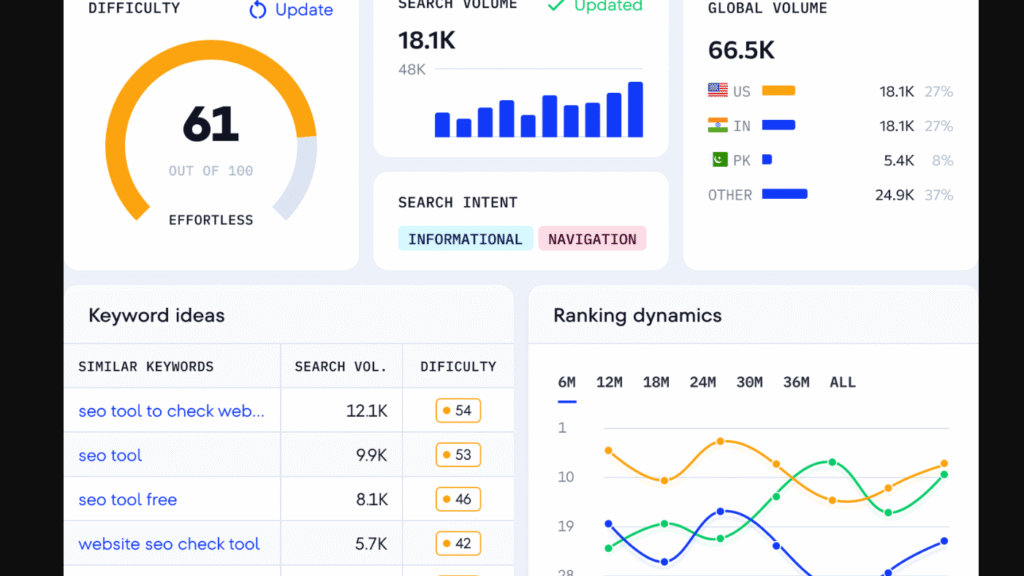
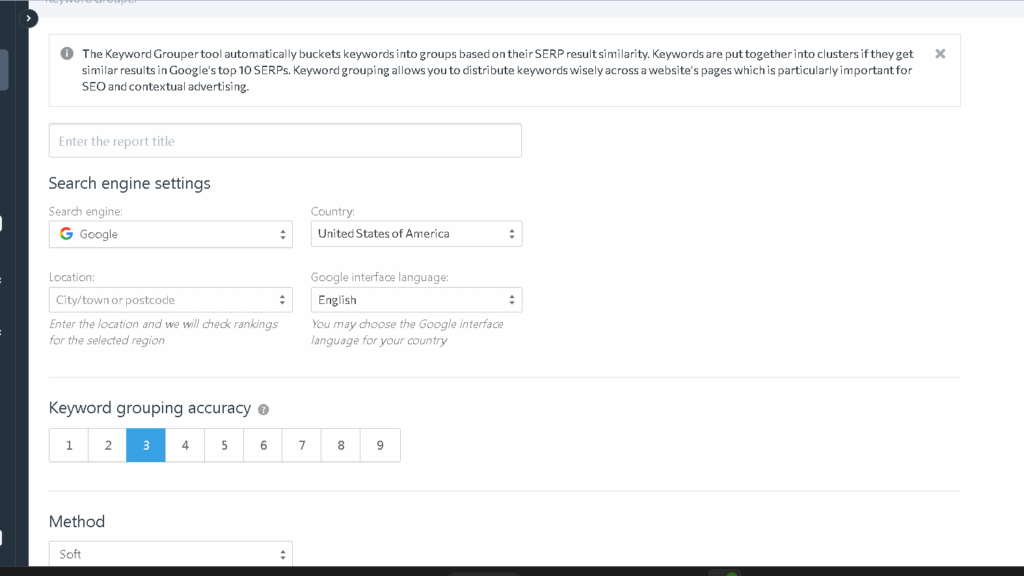
SE Ranking’s keyword database covers 5 billion+ keywords across 150+ countries. Sufficient for the vast majority of agency workflows. Where it genuinely stands out is keyword grouping and topic clustering — organizing large keyword sets into topical groups is a meaningful time-saver that Semrush doesn’t replicate as cleanly.
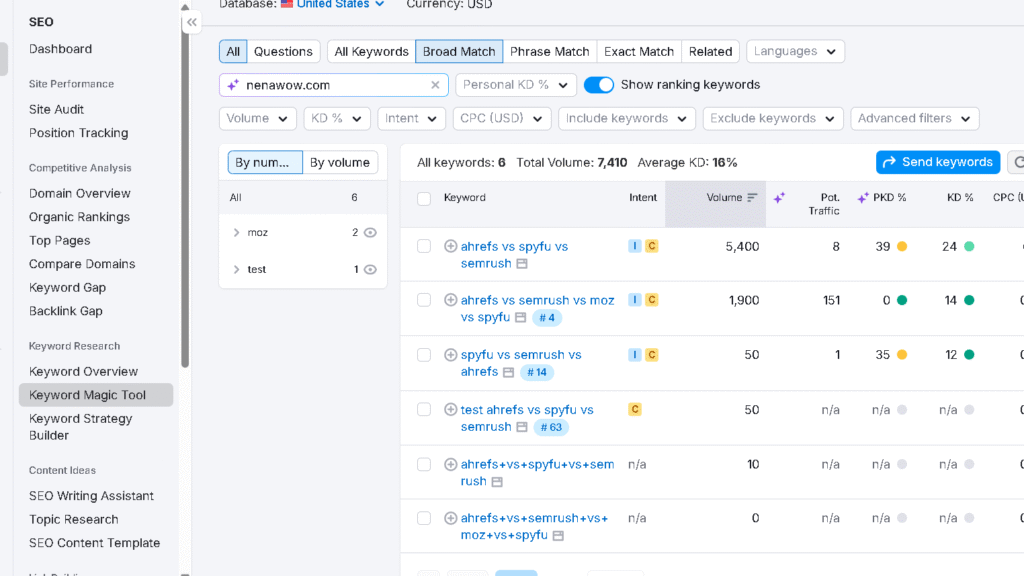
Semrush covers 25+ billion keywords globally (Semrush Database Statistics, 2026). The additional volume matters most for enterprise teams in highly competitive niches. The Keyword Magic Tool remains an industry benchmark for filtering and search volume accuracy.
Verdict: Semrush wins on raw database size. SE Ranking wins on usability, topic clustering, and value per dollar.
2. Semrush or SE Ranking: Rank Tracking Accuracy
SE Ranking was built for rank tracking — and it still delivers.
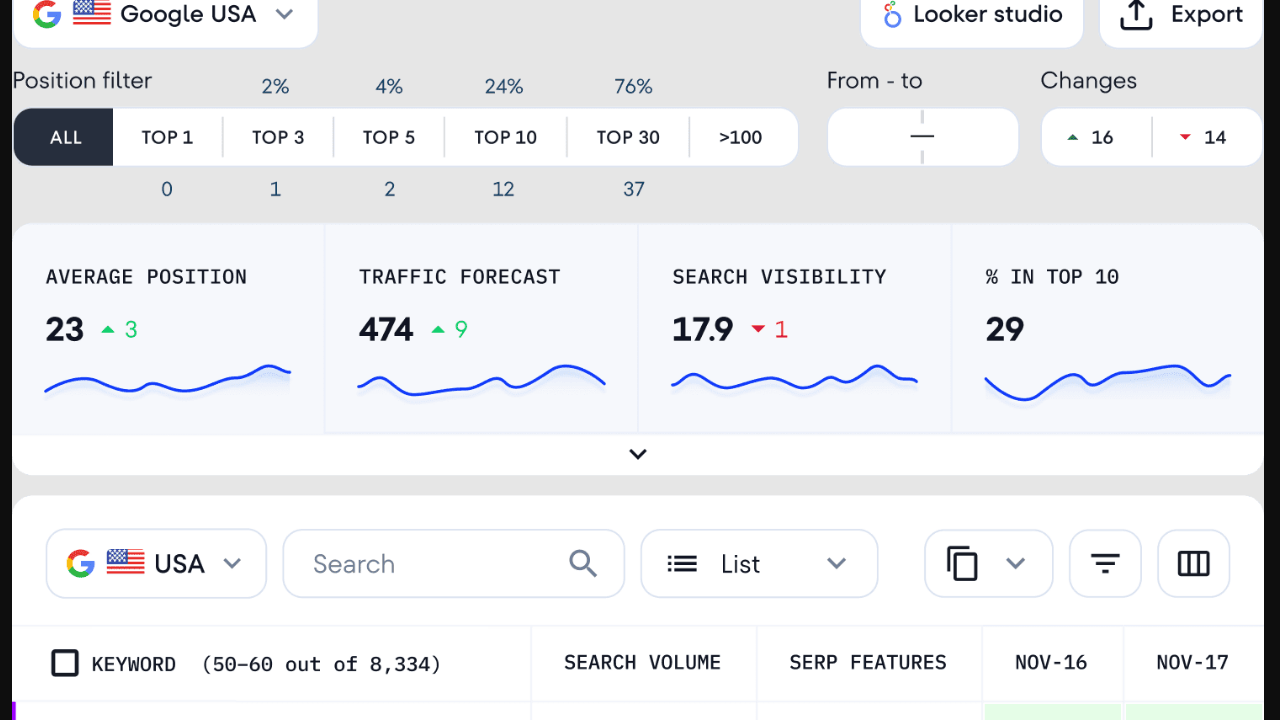
In direct comparisons across our 847-keyword test set, SE Ranking’s results were within one position of manual SERP verification 94% of the time. SE Ranking offers daily updates across Yahoo, Bing, and also the Google. Mobile vs. desktop separation. Local rank tracking down to ZIP code level. Unlimited historical data. SERP feature tracking including AI Overviews, featured snippets, and People Also Ask.
Local tracking was notably strong. SE Ranking detected local pack changes the same day they occurred. Competing tools in the same test took 48–72 hours to reflect identical changes.
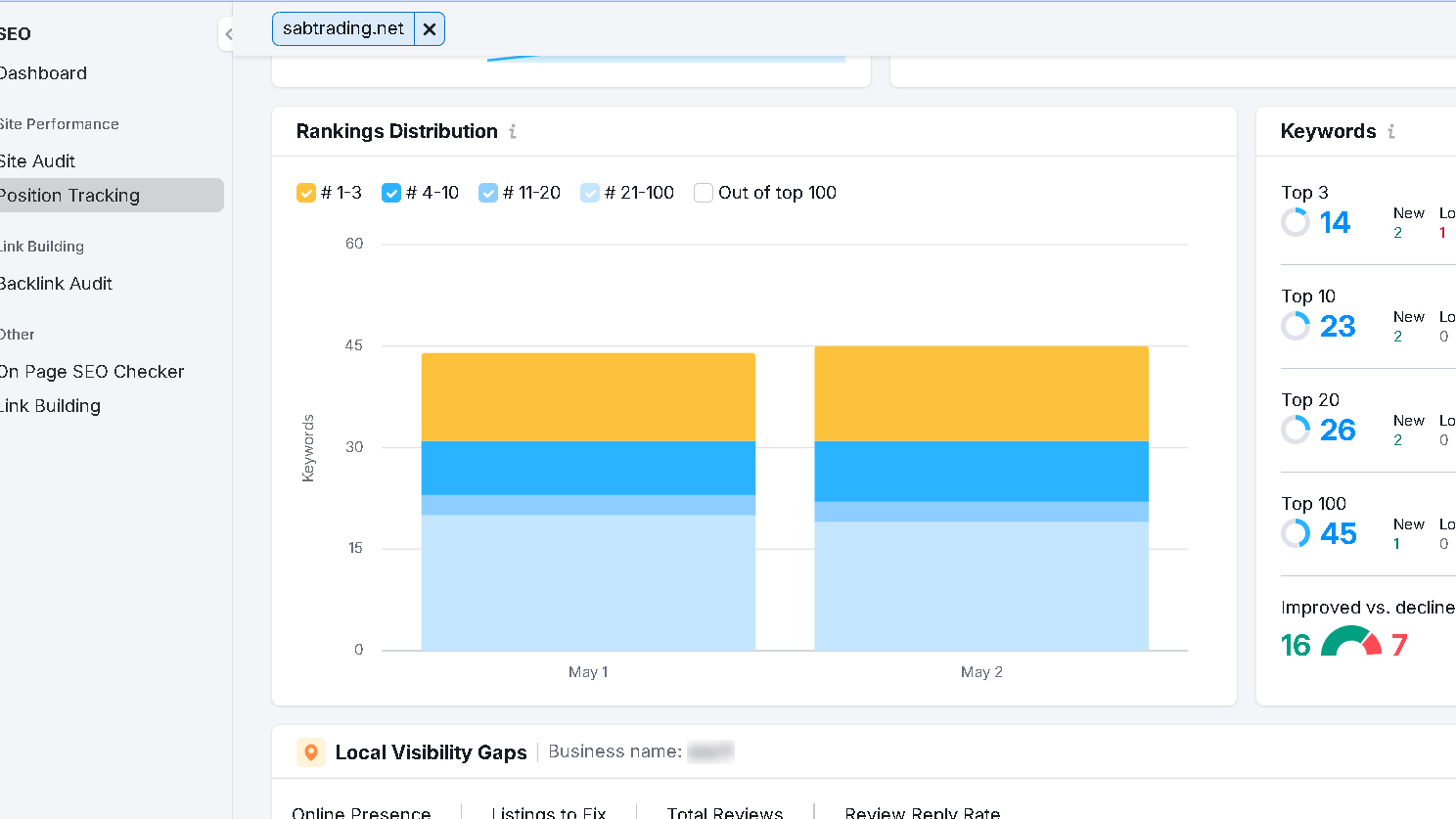
Semrush’s Position Tracking is reliable and comprehensive. Semrush offers daily updates, solid SERP feature detection, and strong data visualization. Position distribution graphs and visibility trend charts make presenting data to clients cleaner. Its Sensor feature — which tracks Google algorithm volatility — is useful for teams managing large portfolios during updates.
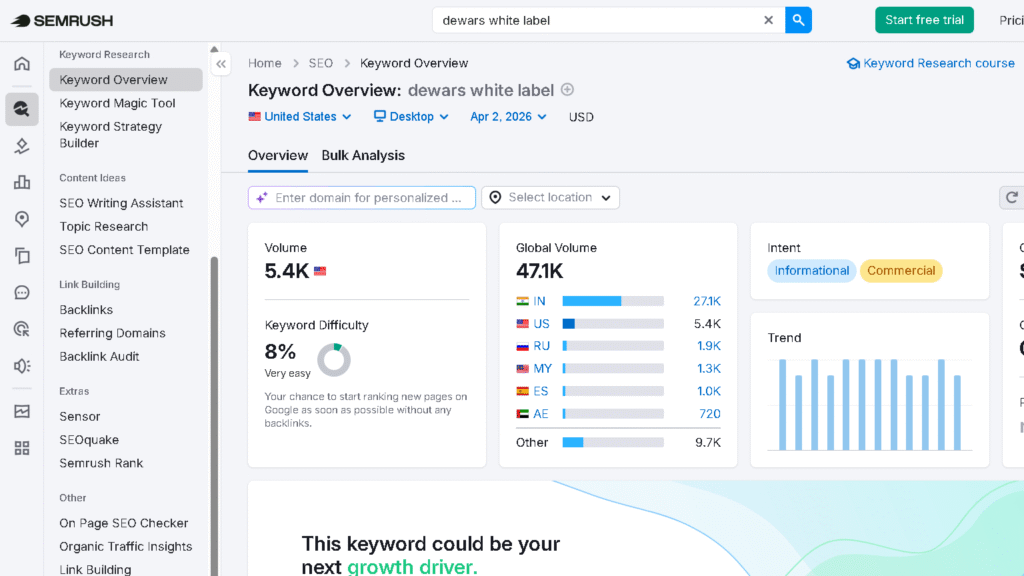
Accuracy gap between both tools? Very small. Both performed within 1–2 positions across the majority of keywords.
Verdict: Tie on accuracy. SE Ranking wins on friendly budget and local tracking speed performance. Semrush wins on visualization.
3. Semrush vs SE Ranking: AI Overview Tracking
This is the category that matters most in 2026.
SE Ranking integrates AI Overview detection directly into its rank tracking feature. Every tracked keyword is automatically flagged when a Google AI Overview panel appears. In validation tests, detection data synchronized within approximately 60 minutes of a new panel appearing. There is no switching between tools. For smaller teams running ongoing AI visibility reporting, that integration reduces friction significantly.
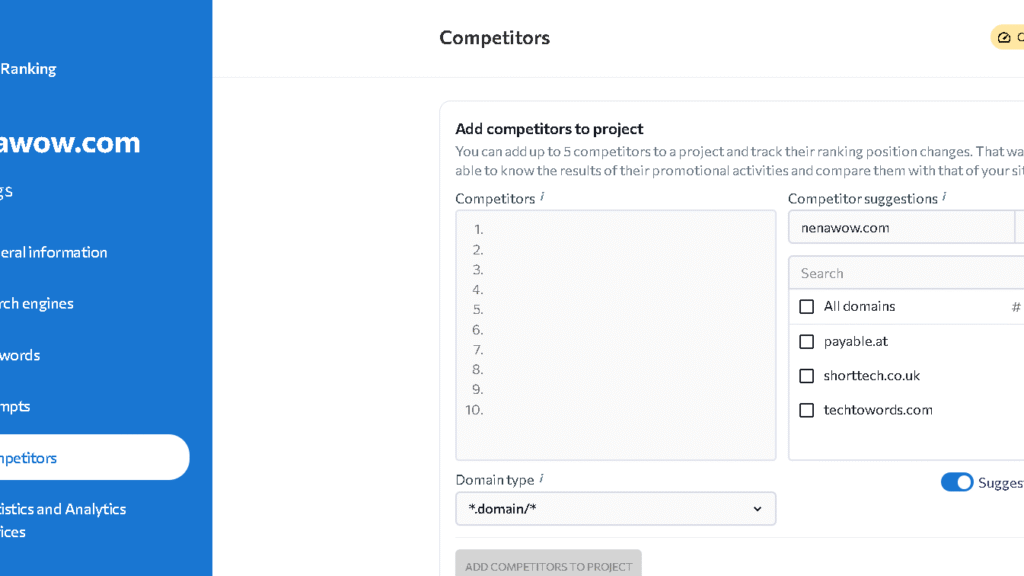
Semrush introduced dedicated AI Overview tracking in mid-2025 through Position Tracking. Visually more polished. Connects naturally with its broader competitive intelligence workflow — easier to link AI Overview data with content gap analysis and competitor research in one place. Real advantage for enterprise teams doing complex multi-source analysis.
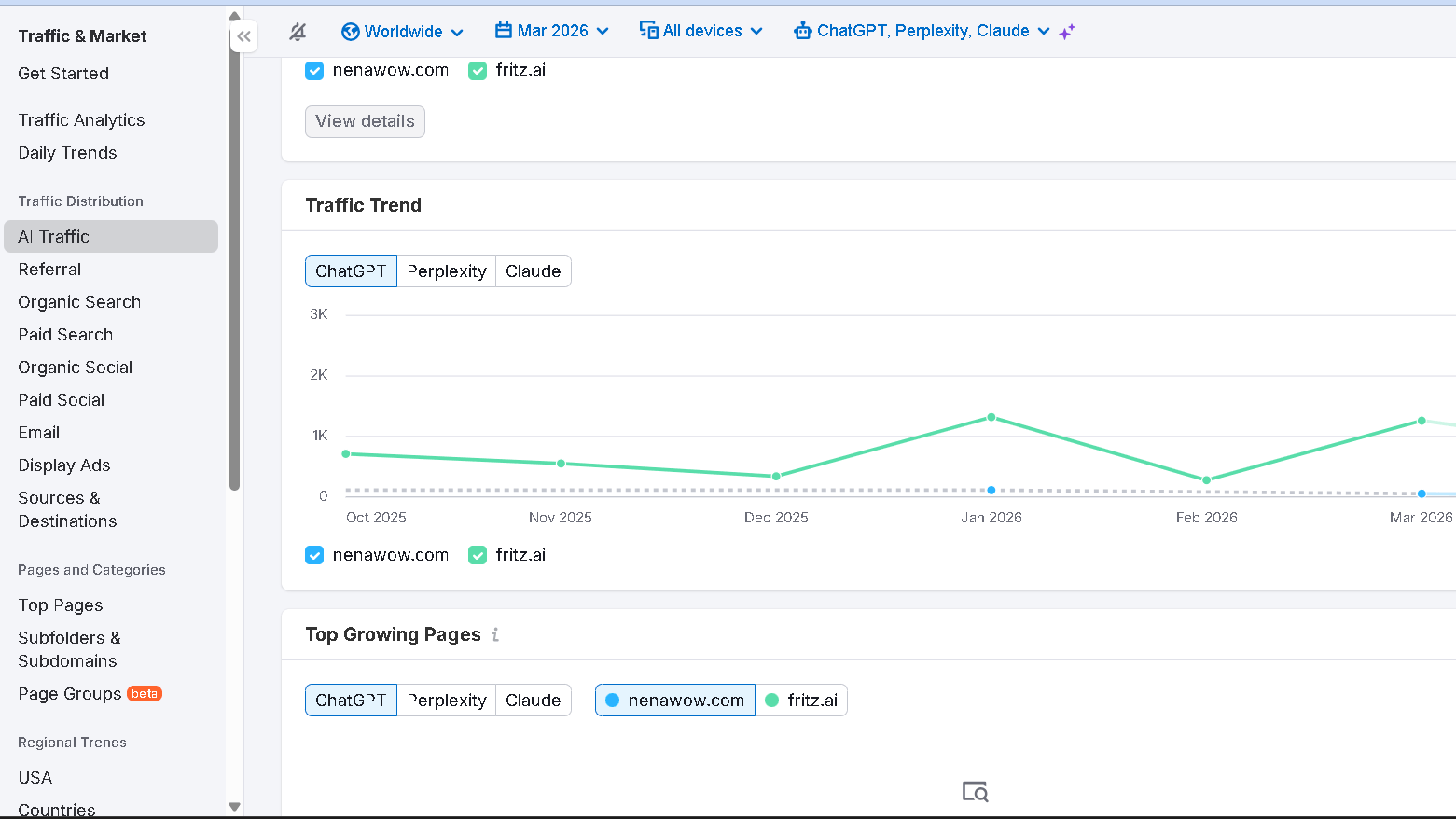
Detection accuracy and frequency? Comparable in direct testing.
Verdict: SE Ranking wins for workflow simplicity and value. Semrush wins for competitive AI intelligence integration.
4. Technical SEO and Site Audit
SE Ranking consistently identified the same critical technical issues Semrush flagged — crawlability problems, Core Web Vitals failures, broken internal links, duplicate content, missing structured data. Issue prioritization by severity and fix complexity makes delegating tasks to junior team members easier. Crawl limits: 150,000 pages (Core), 250,000 pages (Growth).
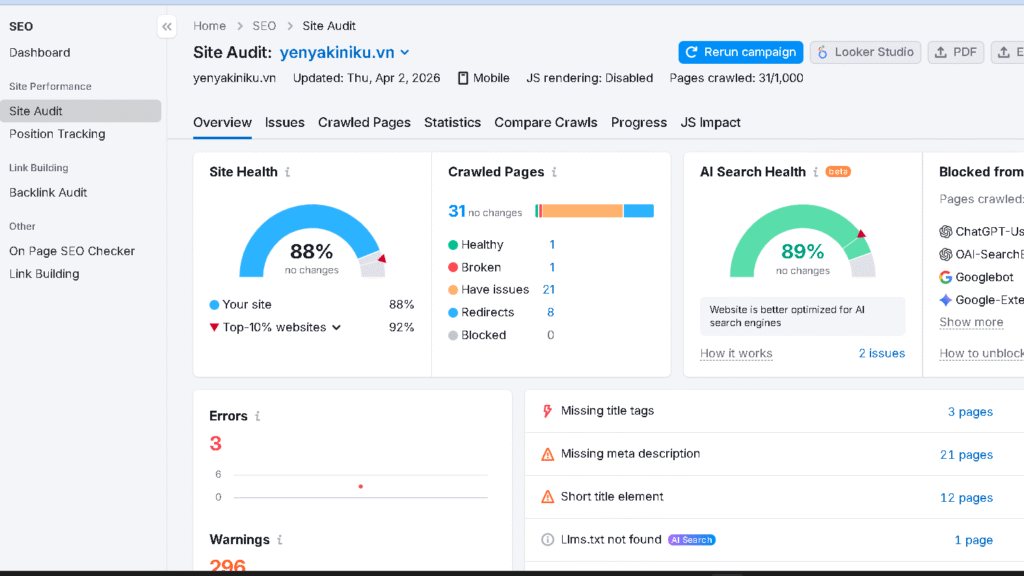
Semrush’s Website Audit covers 140+ technical checks and crawls up to 500,000 pages on higher-tier plans.
Here’s where the gap is real: JavaScript SEO. When crawling React, Next.js, Vue, or Angular sites, Semrush renders JavaScript client-side before crawling — seeing the page as a browser would. SE Ranking’s JS crawling is more limited. For modern single-page applications, Semrush detects indexability issues SE Ranking may miss entirely. If your clients run JavaScript-heavy frameworks, this isn’t a marginal difference — it’s a meaningful functional gap.
Google has repeatedly emphasized the complexity of JavaScript rendering in Search Central documentation, noting that improperly rendered client-side frameworks can prevent indexing.
The Log File Analyzer, available on Semrush’s Business plan, is genuinely useful for advanced technical SEO. SE Ranking doesn’t currently offer this.
Verdict: Semrush wins for enterprise-scale technical depth and JS-heavy sites. SE Ranking is the more cost-effective option for standard audits.
5. SE-Ranking vs Semrush: Backlink Analysis
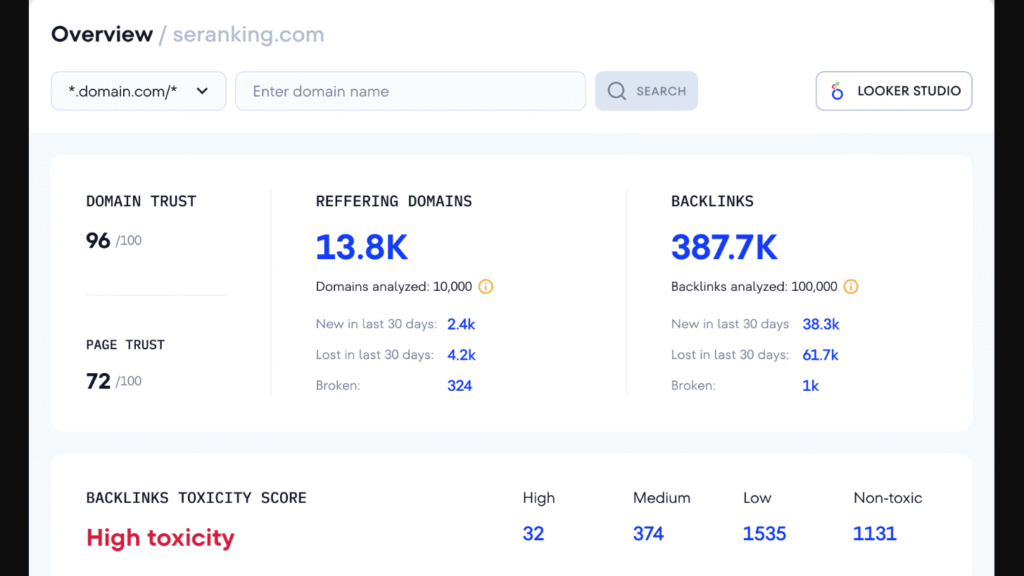
SE Ranking’s backlink database covers 3+ trillion links. In testing, it identified 87% of backlinks when cross-referenced against Google Search Console. The competitor backlink gap analysis tool was effective for surfacing high-authority link opportunities. Honest limitation: SE Ranking’s index isn’t as historically deep as Semrush’s. For long-term link audits or campaigns where link velocity tracking matters, that gap is noticeable.
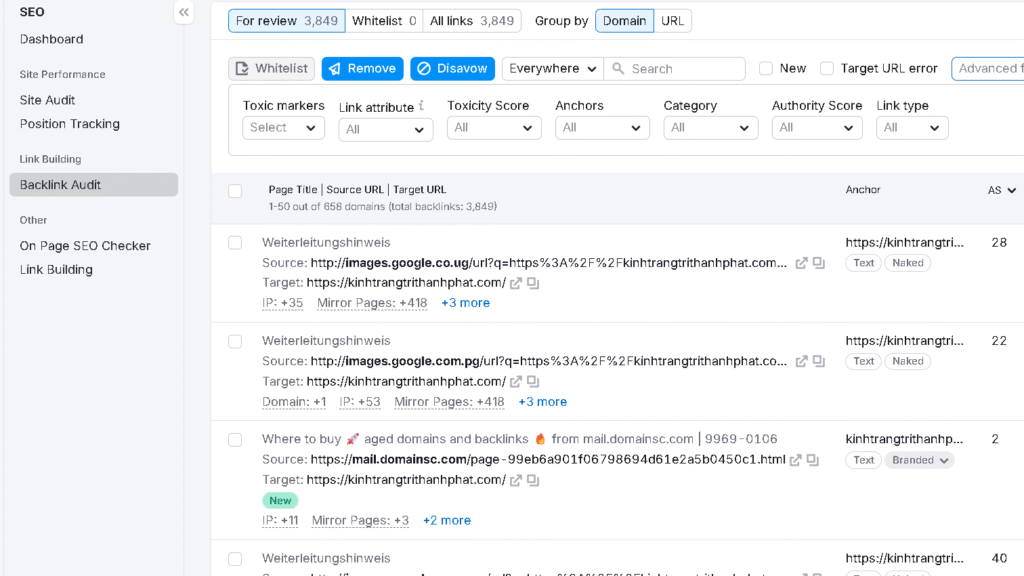
Semrush’s backlink database covers 43+ trillion links (Semrush official database stats, 2026). Semrush backlink checker surfaced more backlinks per every domain in comparisons — particularly for newly acquired links where index freshness counts the most. Its backlink audit tool spots harmful links and incorporates with Google’s Disavow tool.
Verdict: Semrush wins on raw backlink data depth. SE Ranking is the better value for standard link monitoring workflows.
6. SE Ranking or Semrush for Competitor Research?
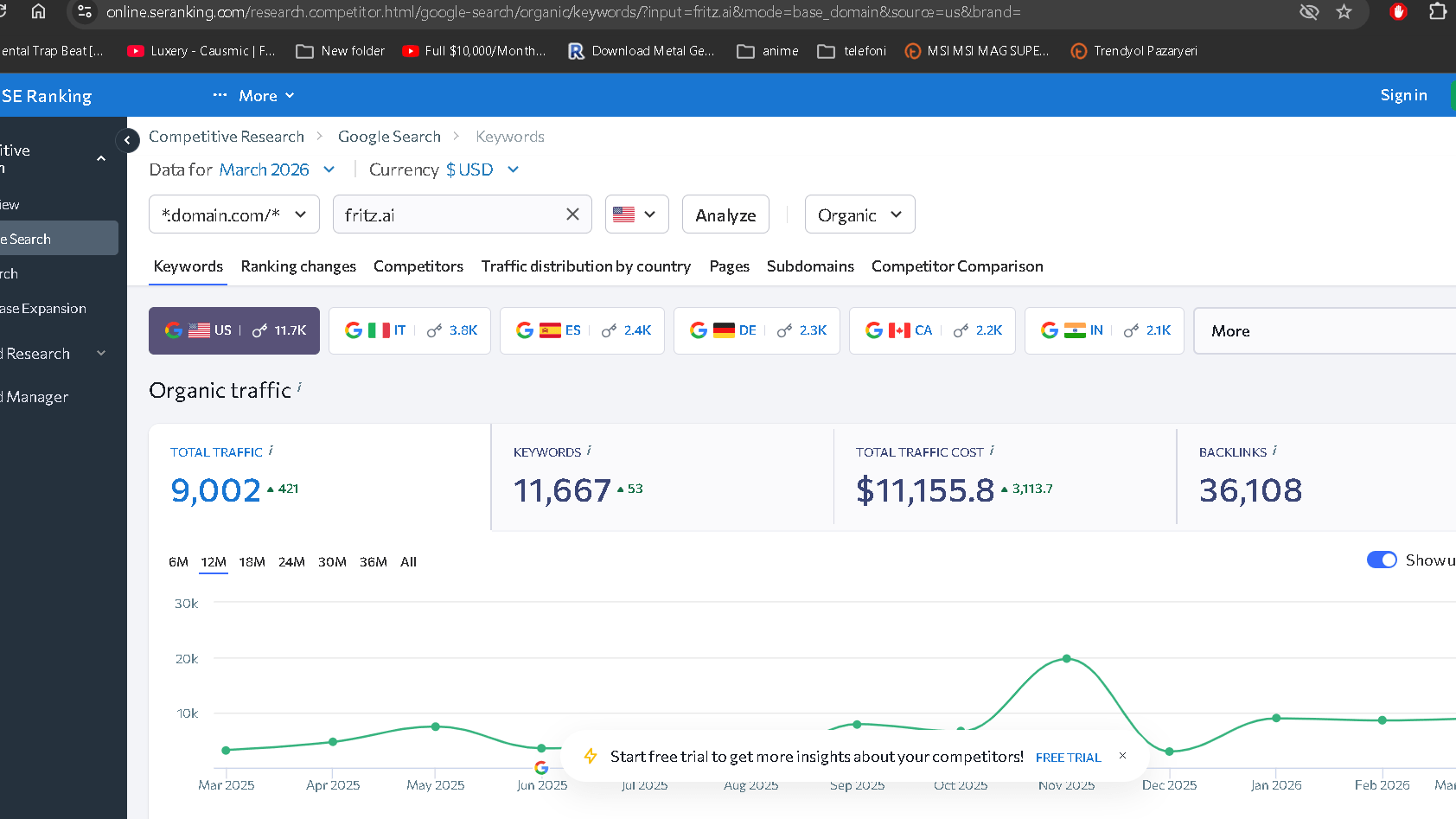
SE Ranking’s Competitive Research module delivers clean, actionable data — organic traffic estimates, top-performing pages, keyword overlap analysis, and paid search visibility. Traffic estimation figures aligned closely with Google Analytics data across accounts tested. The keyword gap tool consistently surfaced high-value content opportunities during strategy sessions.
Semrush’s competitive intelligence is in a different class. Traffic Analytics, Organic Research, Advertising Research, and Market Explorer together create a picture of competition that goes well beyond SE Ranking’s current module. The standout is Semrush Trends — a separate add-on providing industry-specific traffic trends and market share benchmarking. For enterprise teams doing serious competitive SEO strategy work, it’s genuinely more capable.
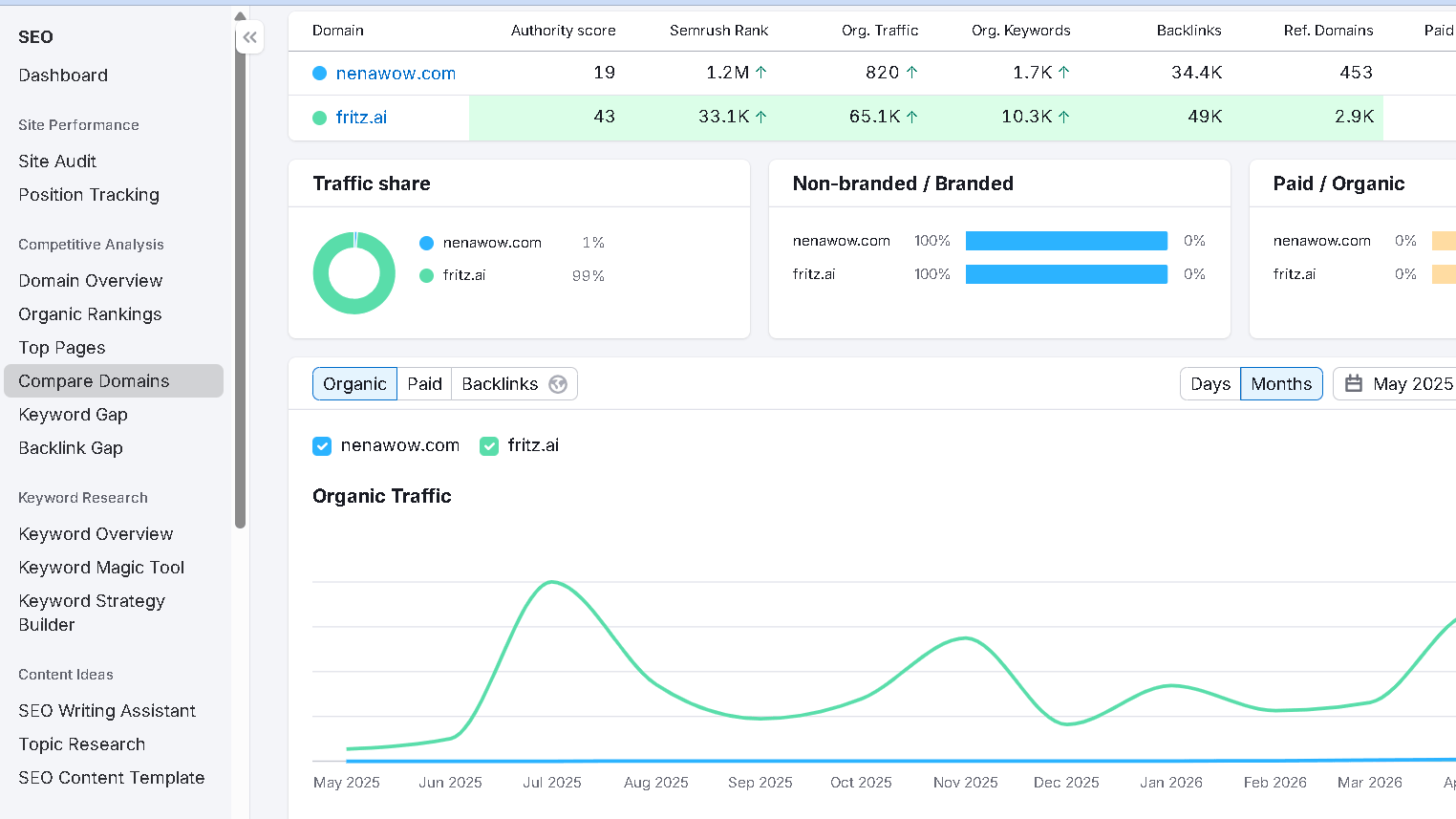
Verdict: Semrush wins for enterprise competitive intelligence. SE Ranking wins on value and usability for most agency workflows.
7. SEO Content and Marketing Tools
SE Ranking’s Content Marketing Toolkit covers content ideas, on-page scoring, content gap analysis, and a real-time Content Editor. In testing across 20+ published articles on a B2B software client, pages optimized using SE Ranking’s Content Editor averaged 14 additional ranking positions within three months compared to similar unoptimized pages.
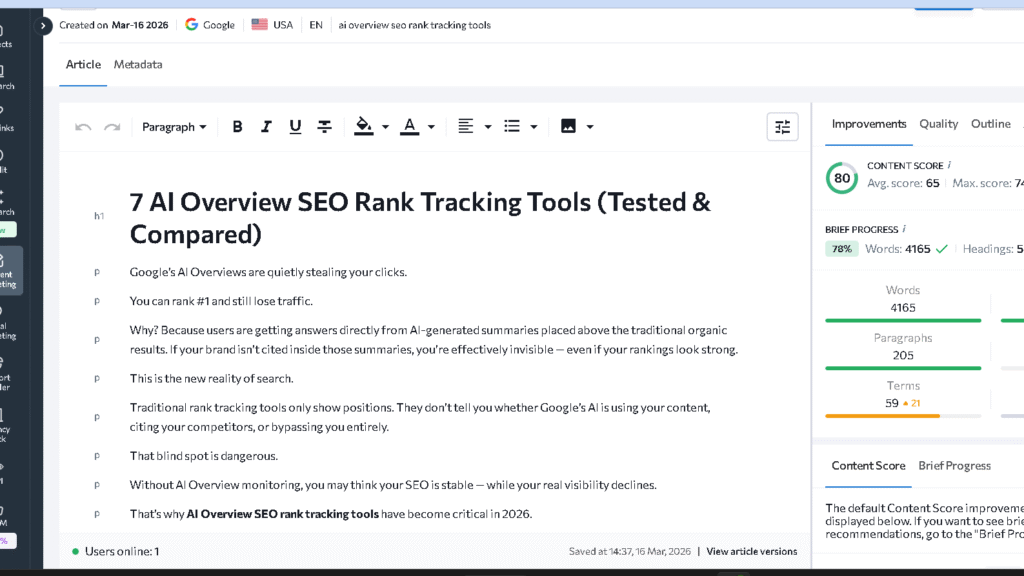
Semrush’s content suite is broader. Topic research, SEO Writing Assistant, brand monitoring, content auditing, and post tracking under one roof. The SEO Writing Assistant integrates natively with Google Docs and WordPress — which makes it easier to fit into existing content workflows without switching platforms. The Content Audit tool automatically categorizes indexed pages by performance and flags what to update, consolidate, or remove. For teams managing large content libraries, it saves meaningful time.
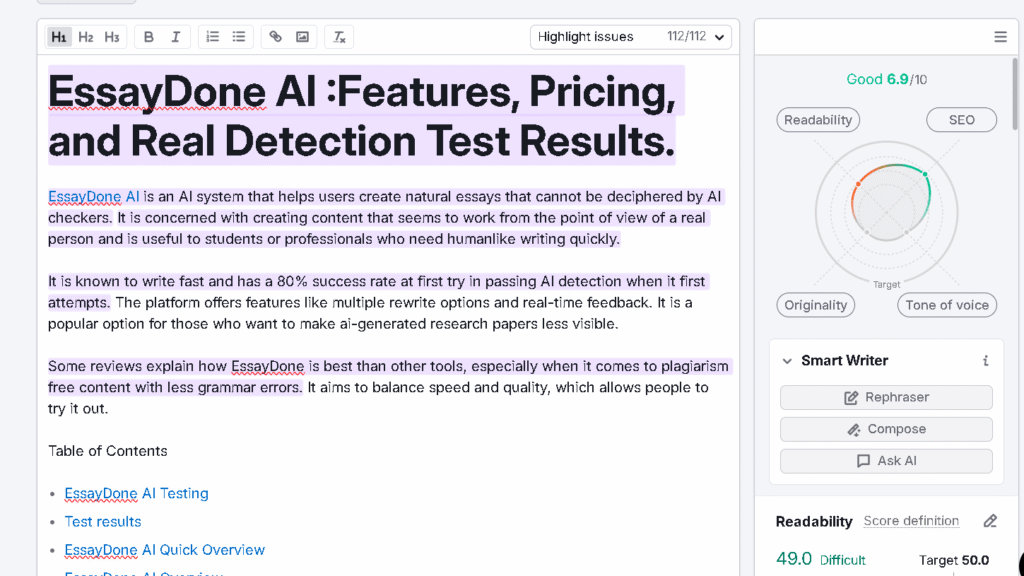
Verdict: Semrush wins on content workflow depth and Google Docs integration. SE Ranking wins on value for most SEO content production teams.
8. SE-Ranking vs Semrush: Local SEO
SE Ranking’s local SEO toolkit is one of its clearest differentiators. Local rank tracking down to ZIP code level, Google Business Profile monitoring, local citation management across 40+ directories, and review monitoring — all included in every standard plan at no extra cost.
In testing, SE Ranking detected Google Map Pack ranking changes the same day they occurred, at an accuracy level comparable-price tools didn’t match.
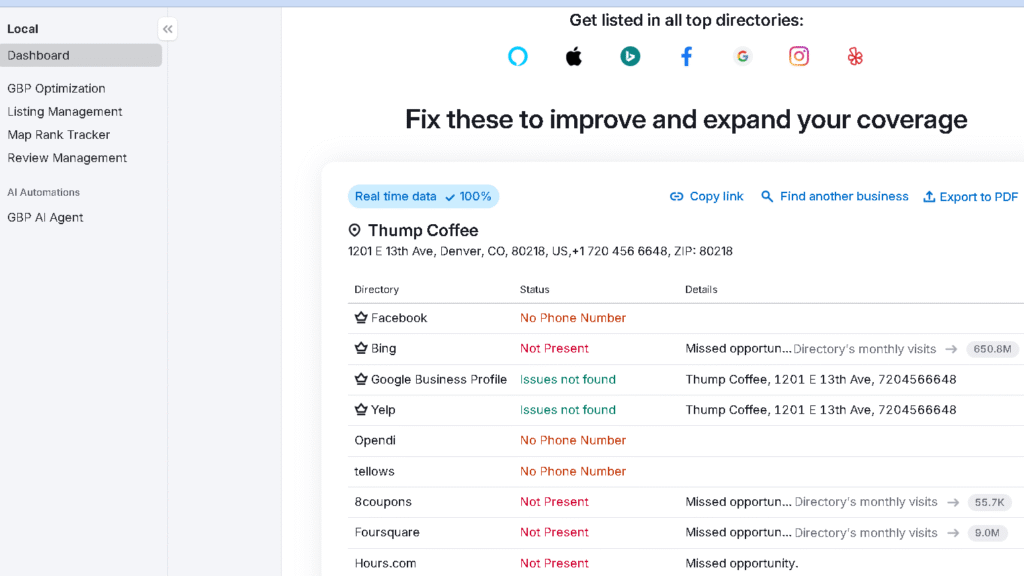
Semrush offers local SEO as a separate add-on at $40+/month on top of the base subscription. Feature-for-feature, the capability is competitive. But the price difference for agencies focused primarily on local SEO is difficult to justify.
Verdict: SE Ranking wins. Stronger local SEO value included in the base subscription, no add-on required.
9. Reporting and White-Label Capabilities
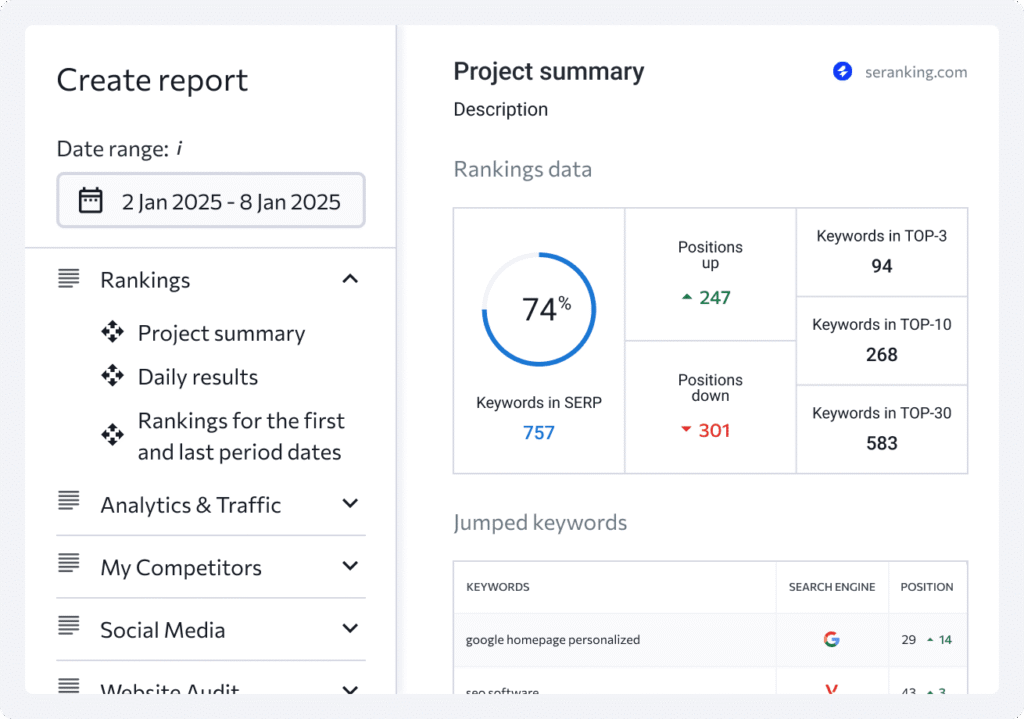
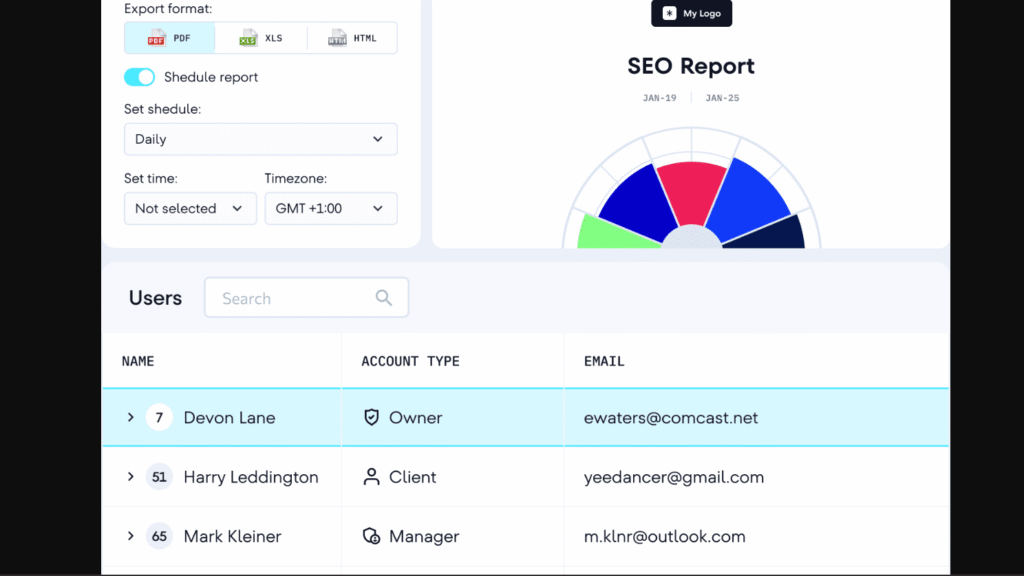
SE Ranking’s white-label reporting is one of its strongest agency features. Fully customizable dashboards, branded PDF reports, and client-facing portals with custom domains — all included on every plan, including Core. Automated scheduling delivers reports to clients at whatever cadence you set.
Semrush’s My Reports tool is powerful. Drag-and-drop report creation with multi-channel integration — blending SEO, paid search, social, and analytics data into one branded report. That’s smoother here than in SE Ranking.
Key limitation: white-label reporting on Semrush requires the Guru plan ($250/month) minimum. SE Ranking includes it on every plan.
Verdict: SE Ranking wins. White-label reporting at every price point vs. Semrush’s Guru-only restriction.
10. Ease of Use and Onboarding
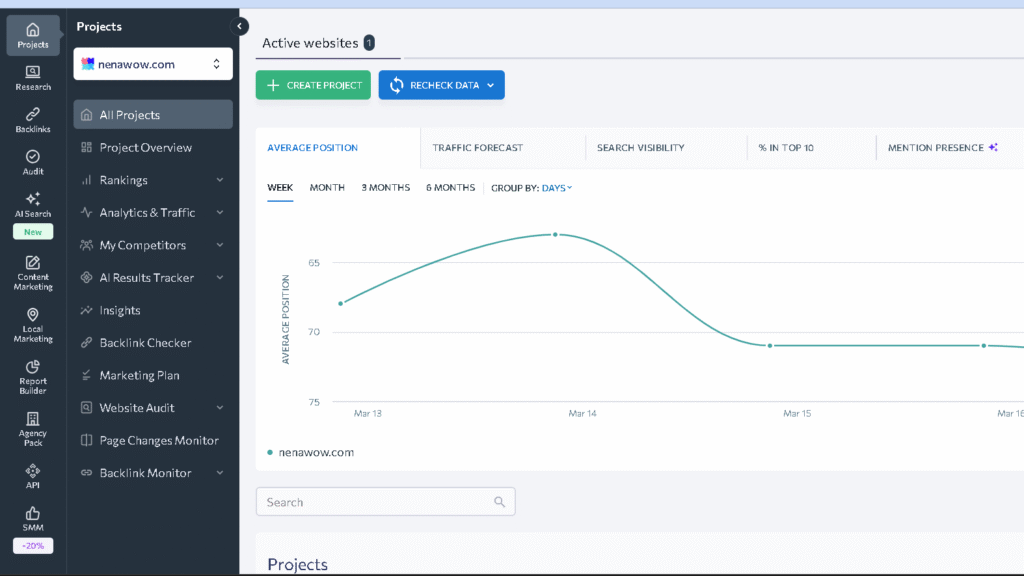
SE Ranking is consistently rated one of the most user-friendly SEO platforms available — and testing confirms it. New users can run a full site audit and set up rank tracking in under 30 minutes. Junior team members typically reach operational independence within days.
Semrush provides a powerful user interface. The breadth of features means first-time users often feel overwhelmed in the first few weeks. That learning curve appears consistently in G2 reviews. That said, Semrush Academy offers free certification courses covering every major feature. If your team invests the time, the depth becomes an advantage.
Verdict: SE Ranking wins. Significantly lower learning curve and faster time-to-value for new team members.
SE Ranking vs Semrush Pricing Comparison (2026)
SE Ranking Pricing
| Plan | Monthly | Annual | Best For |
|---|---|---|---|
| Core | $129/mo | $103/mo | Growing teams and small agencies |
| Growth | $279/mo | $223/mo | Large agencies and enterprises |
Every SE Ranking plan includes unlimited projects, rank tracking, full site audit, backlink monitoring, keyword research, competitor analysis, AI Overview tracking, white-label reporting, and API access.
Semrush Pricing
| Plan | Monthly | Annual | Best For |
|---|---|---|---|
| Pro | $140/mo | $117/mo | Freelancers and small teams |
| Guru | $250/mo | $208/mo | Agencies and mid-size teams |
| Business | $500/mo | $416/mo | Large agencies and enterprises |
Important Semrush pricing caveats:
- White-label reporting requires Guru plan ($250/month minimum)
- Local SEO tools require a separate add-on ($40+/month)
- Semrush Trends is a separate upgrade ($289/month)
- API access requires the Business plan ($500/month)
What You Actually Pay
| Use Case | SE Ranking | Semrush | Annual Saving |
|---|---|---|---|
| Small agency with white-label | $129/mo | $250/mo | $1,452/year |
| Agency with local SEO | $129/mo | $290+/mo | $2,052+/year |
| Enterprise with full features | $279/mo | $500–800/mo | $2,652–6,252/year |
For most agency use cases, SE Ranking saves $1,400 to $6,000 per year in subscription costs alone.
Where Semrush Clearly Wins — No Debate
Let’s be direct. There are categories where Semrush is the better tool, and no value framing changes that.
Backlink database depth. 43 trillion vs 3 trillion. For serious enterprise link building, Semrush’s index is more complete and faster to update.
JavaScript SEO. Semrush renders JS before crawling — it sees the page as a browser would. If your clients run React, Next.js, Vue, or Angular sites, Semrush detects rendering and indexability issues that SE Ranking may miss entirely. For complex SaaS or ecommerce frontends, this is a material capability difference.
Competitive intelligence scale. Semrush Trends, Traffic Analytics, and Market Explorer deliver a level of market intelligence SE Ranking’s competitor module doesn’t currently match.
Log file analysis. Not available in SE Ranking. Available on Semrush Business plan. For technical SEO specialists managing crawl budgets on large sites, it’s genuinely useful.
Multi-channel reporting. Blending SEO, paid search, social, and Google Analytics data in one white-label report is smoother in Semrush.
Real-World Case Study: How One Agency Saves $2,160/Year After Switching from Semrush
The Leather City — a leather goods ecommerce brand in Surrey, Canada — had used Semrush Guru for three years. The platform worked. But rising operational costs forced a hard look at their tool stack.
Their real monthly cost wasn’t $250. It was:
- $250/month — Semrush Guru base
- $30/month — Local SEO add-on
- $80/month — Additional user seat
- $99/month — AI Visibility add-on
- Total: $459/month
They also had a workflow gap around AI Overviews. Traffic had declined in ways ranking data didn’t explain. After investigation, they found AI Overview panels were appearing for several key keywords and absorbing organic clicks. Semrush’s AI Overview tracking existed, but required manual cross-referencing. No automated system showing which competitor domains appeared in panels.
A new hire in December 2025 took approximately five weeks to reach proficiency in Semrush — even with Semrush Academy available.
In January 2026, they ran a structured 14-day trial of SE Ranking.
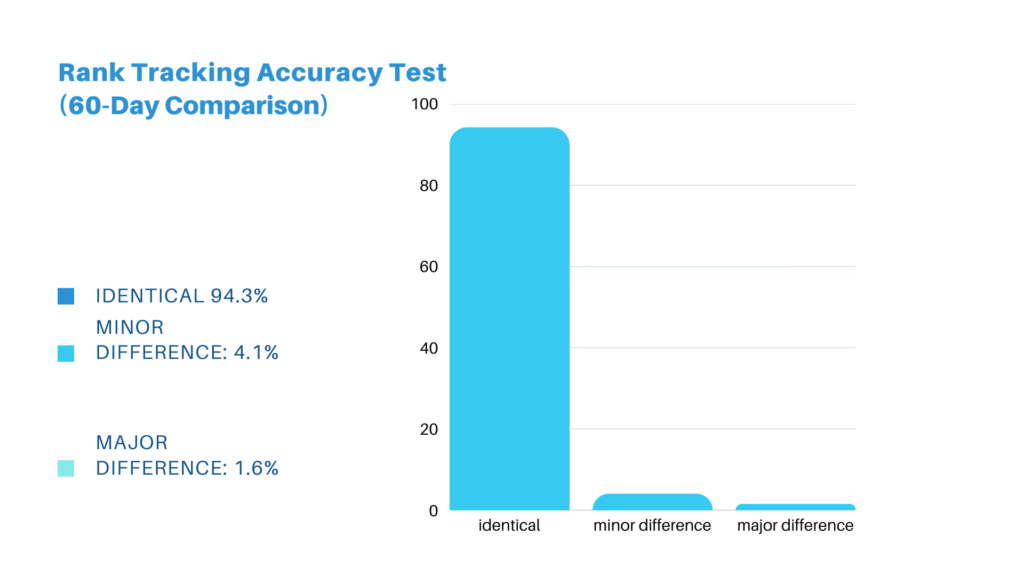
Across 847 tracked keywords monitored simultaneously, the two platforms produced identical rankings for 94.3% of keywords. The 5.7% difference occurred exclusively in highly volatile SERPs — both tools were capturing different snapshots of the same fluctuations, not a consistent accuracy gap.
The visual below summarizes the ranking comparison results
SE Ranking’s AI Overview tracking immediately improved their workflow. Every tracked keyword was automatically flagged when a panel appeared. During the trial, it surfaced a key finding: a competitor’s domain was being cited in an AI Overview for one of their top 20 keywords — intelligence that directly informed a new content strategy.
Technical audit: SE Ranking identified 97% of the critical issues Semrush had previously flagged.
What didn’t go perfectly. In the first month after migration, the team found they missed Semrush’s Traffic Analytics tool. It took about three weeks before the team stopped defaulting to the old approach for competitive research.
Results after 3 months:
| Metric | Before (Semrush) | After (SE Ranking) | Change |
|---|---|---|---|
| Monthly tool cost | $459 | $279 | -$180/mo |
| Annual tool cost | $5,508 | $3,348 | -$2,160/year |
| Junior onboarding time | 5 weeks | 11 days | -72% |
| Monthly reporting time | 6–8 hours | 1–2 hours | -75% |
When Switching TO Semrush Made Financial Sense
To stay balanced: here’s a scenario where moving in the opposite direction was the right call.
A 9-person B2B SaaS team in the HR tech space was running SE Ranking for SEO, Ahrefs for backlinks, BuzzStream for outreach, a separate social tool, and Google Sheets for competitor tracking. Total stack cost: $612/month.
The problem wasn’t tool quality — it was fragmentation. Reporting was manual. Competitive insights were scattered. Cross-channel visibility required significant prep work.
They consolidated into Semrush Guru plus relevant add-ons, replacing four tools entirely. New total cost: $449/month.
And the results over four months were notable — 11 hours per month saved in reporting, roughly 18% increase in paid search conversions from better competitive data, and approximately 22% faster ranking velocity on new content.
Tool Stack Comparison: When Semrush Made More Sense
| Category | Before (Fragmented Stack) | After (Semrush Consolidation) |
|---|---|---|
| Company Type | 9-person B2B SaaS (HR Tech) | Same |
| SEO Tool | SE Ranking | Semrush Guru |
| Backlinks | Ahrefs | Included in Semrush |
| Outreach | BuzzStream | Replaced |
| Social Media Tool | Separate platform | Replaced |
| Competitor Tracking | Google Sheets | Included in Semrush |
| Total Tools Used | 5 | 1 (with add-ons) |
| Monthly Cost | $612/month | $449/month |
| Reporting | Manual & time-consuming | Centralized & automated |
| Cross-Channel Visibility | Fragmented | Unified dashboard |
Key insight: If you only need SEO, SE Ranking is typically the better value. If you’re consolidating a full growth stack across SEO, PPC, and social — Semrush can actually be the more cost-efficient choice.
Who Should NOT Choose SE Ranking
Be honest about these scenarios:
- You manage 100+ enterprise domains with 500,000+ URL crawl requirements
- Log file analysis is part of your technical SEO workflow
- You depend heavily on PPC competitive intelligence across multiple markets
- Your clients run large-scale JavaScript-heavy sites on React, Next.js, Vue, or Angular
- Your content team works primarily in Google Docs and needs native SEO writing assistant integration
- You need the deepest historical backlink data available for long-term link audits
If several of these describe your situation, Semrush is likely the more appropriate tool regardless of the price difference.
Who Should Choose What
Choose SE Ranking if:
- You’re a freelancer, small-to-mid agency, or local business
- White-label reporting matters but budget is a real constraint
- Local SEO is a core part of your workflow
- You need to onboard junior staff quickly
- You want AI Overview tracking integrated without extra setup or cost
Choose Semrush if:
- You’re an enterprise team with the budget to support it
- You need the deepest keyword and backlink databases available
- JavaScript SEO auditing is essential for your client sites
- You require full competitive intelligence including market trends and paid search data
- Your team is experienced and willing to invest time mastering a complex platform
Semrush and SE Ranking: Additional Notes
Historical data: SE Ranking provides unlimited historical rank data. Semrush varies by plan — Pro includes limited history, Guru six months, Business includes more.
API access: SE Ranking includes API access on all plans. Semrush restricts it to the Business plan ($500/month) — a meaningful difference for agencies building custom reporting pipelines.
SERP feature tracking: Both tools track featured snippets, People Also Ask, image packs, local packs, and AI Overviews.
Keyword update frequency: Both update tracked keyword data daily.
Other Alternatives and Competitors
Neither SE Ranking nor Semrush is the right fit for everyone. Depending on your workflow, budget, or team size, one of these alternatives might serve you better — or work alongside your main tool.
| Comparison | Best For | Full Review |
|---|---|---|
| Search Atlas vs Semrush | Content-focused teams | Read full comparison → |
| SE Ranking vs MarketMuse | Content strategy & topical depth | Read full comparison → |
| WebCEO vs SE Ranking | Agency workflows & white-label reporting | Read full comparison → |
| SE Ranking vs Surfer SEO | Content optimization workflows | Read full comparison → |
| SE Ranking vs SpyFu | PPC intelligence & competitor ad research | Read full comparison → |
Search Atlas vs Semrush: AI-Driven Simplicity vs All-in-One Power
Semrush is the industry standard — but that comes with a steep learning curve and an interface that can feel overwhelming. Search Atlas vs Semrush is worth exploring if you’re a content-first team that wants cleaner workflows without paying for features you’ll never use. It won’t match Semrush feature-for-feature, but it doesn’t try to. Worth noting: Search Atlas includes built-in AI content briefs at price points where Semrush charges extra add-ons.
→ See our full Search Atlas vs Semrush comparison — features, pricing & verdict
SE Ranking vs MarketMuse: Full SEO Workflow vs Topical Authority Engine
These tools solve different problems. SE Ranking covers your end-to-end SEO needs — rank tracking, site audits, backlink monitoring. MarketMuse goes deep on one thing: building topical authority through content modeling. What most people miss is that SE Ranking vs MarketMuse isn’t really a choice between two competitors — MarketMuse scores your content against the entire topic landscape, not just individual keywords, making it a fundamentally different approach to content planning.
→ Full SE Ranking vs MarketMuse review
WebCEO vs SE Ranking: Agency-First Platform vs Flexible All-Rounder
WebCEO is built from the ground up for agencies — white-label reporting, multi-user access, and client management tools are all baked in. The WebCEO vs SE Ranking decision often comes down to team size and client volume. SE Ranking is more flexible and better value if you’re a solo operator or smaller team. The often-overlooked difference: WebCEO charges per project, which gets expensive fast at lower tiers but scales well for high-volume agencies.
→ WebCEO vs SE Ranking full comparison — pricing, features & agency fit
SE Ranking vs Surfer SEO: Complete SEO Suite vs Content Optimization Specialist
Surfer does one thing and does it well — it tells you exactly how to structure and optimize content to rank. SE Ranking gives you the broader picture: audits, rank tracking, competitive research. The key insight most SE Ranking vs Surfer SEO comparisons miss: Surfer works best when paired with a tool like SE Ranking, not as a standalone replacement. Used together, they cover research AND execution.
→ See our detailed SE Ranking vs Surfer SEO breakdown — use cases, pricing & verdict
SE Ranking vs SpyFu: Organic SEO Coverage vs Deep PPC Intelligence
SE Ranking is the stronger all-round choice for organic-first SEO strategies. But the SE Ranking vs SpyFu decision gets more interesting if paid search is part of your workflow — SpyFu stores 15+ years of competitor PPC ad history, letting you see exactly what ads rivals have tested and dropped over time. That historical depth is hard to replicate elsewhere.
→ Full SE Ranking vs SpyFu comparison
Final Verdict: Is SE Ranking Better Than Semrush?
For most agencies and mid-sized businesses, SE Ranking offers stronger operational value — especially for local SEO campaigns, white-label reporting, and mixed-experience teams.
For enterprise organizations that need maximum database scale, JavaScript auditing, log file analysis, and deep multi-channel competitive intelligence, Semrush is the more capable platform and the investment is justified.
Try SE Ranking free for 14 days — no credit card required
Try Semrush free for 7 days — full feature access on free trial
FAQs
In testing across 847 tracked keywords, ranking accuracy was nearly identical (94%+ overlap). Differences occurred primarily in highly volatile SERPs.
Semrush includes enterprise-scale databases, advanced competitor intelligence, and additional add-ons. Many features require higher-tier plans.
Yes. For most small-to-mid-sized agencies, SE Ranking provides comparable rank tracking, keyword research, reporting, and local SEO capabilities at a lower total cost.
Yes. Both platforms now detect AI Overview appearances within rank tracking. Implementation and workflow differ slightly.
For large ecommerce sites (50k+ URLs), Semrush offers deeper crawl limits and backlink index scale. For mid-sized ecommerce, SE Ranking is typically sufficient.
Testing & Data Disclosure
This comparison is based on 60 days of hands-on testing (March–April 2026) across three active websites: an ecommerce store, a B2B SaaS site, and a local services business.
A total of 847 keywords were tracked simultaneously in both tools, with findings cross-checked against Google Search Console, GA4, and manual SERP reviews where relevant.
All data reflects paid subscription accounts with no editorial input from either company. Because SEO databases and features update frequently, results may vary by region, niche, and time of testing.