

Artificial intelligence continues to transform the world of digital technology and how we think about search engine optimization is evolving at a rapid pace. As AI-powered search becomes the norm we must rethink how computers actually “read” and rank our content.
In the SEO sector, technical expertise are still important. However, now, understanding how AI-driven search interprets the information people are looking for has become the most significant game-changer.
Search is shifting away from searching for hyperlinks and is now being used to AI systems. The shift is already changing how people seek answers on the internet.
To be present for 2026 onwards, you’ll have to organize your content to be compatible with AI and build authority signals, and appear in search, social and personal assistance systems. This article is an updated version of the SEO guideline that you can begin using today to adjust your AI SEO strategy for the future.
AI can find answers without clicking, blend text, images and conversations, and lean towards reliable sources. Learn how to structure your content so that AI will be able to quote it as well as how to demonstrate real knowledge and get noticed beyond traditional search results.
Key Takeaways
- Create content that is easy to AI to read and refer to by incorporating AI-friendly elements.
- Establish trust and authority signals can be verified by AI and platforms are able to confirm.
- Search engines as well as assistants and social platforms are all considered.
The New SEO Landscape: AI-Powered Search and Assistant Authority
Search is now a mix of direct responses agents’ actions with traditional hyperlinks. The shift towards AI-powered search results in optimization being more complex than it was before.
Future-oriented SEO implies that brands must transform their data into machine-readable information to be able to compete in the new world. If you wish to remain in the spotlight, AI-driven SEO compatibility is crucial.
From Algorithms to AI Mode: How Search Has Changed
Search was once a way to rank websites with keywords, but today it provides answers using models such as GPT or Gemini. These systems employ machine learning and dynamic AI to draw data from a range of sources to produce one response.
When users enable AI feature in the browser, their focus shifts from links to the synthesis of answers. Modern AI search engines are now looking for accessible data, not just hyperlinks.
The position of your URL’s address isn’t so important as being an authoritative, reliable source for these sophisticated AI systems. Websites must provide the data in a structured format, including live inventory, and clearly labelled authorship to allow models to validate and reference them.
The importance of technical SEO is still there However, it’s now all about making content simple to find and reliable, instead of just increasing clicks. The way we evaluate things is also changing. Track AI visibility as well as citation rates and conversions generated by AI not only sessions.
Search Generative Experience and Beyond: SGE, Copilot, Perplexity, and More
Tools such as Search Generative Experience (SGE), Copilot, and Perplexity can now provide conversational answers and suggestions. Each uses distinct signals and citation rules therefore you cannot make one of them work and call it the day.
Perplexity really is concerned about sources, whereas Copilot and SGE could combine your information into a synthesized response which means you have fewer clicks. Marketers must determine the platforms that matter to their target audience and how they can create content that is suitable for each platform short, factual summaries for AI overviews, detailed information for agents that are copilot-like as well as transparent sources for models that have a keen interest in transparency.
The creation of named datasets, branded metrics and API endpoints increases your chances of being mentioned. It’s a lot of work however, that’s where we are heading.
Zero-Click Results and the Shift to AI-Generated Answers
Search that is zero-clicking is growing in popularity because AI-generated results appear directly in the search results. It’s becoming more difficult to drive traffic using traditional SEO strategies.
The snippets of featured content have evolved into larger AI responses that can answer users’ queries without ever actually visiting your website. This is why high-quality, well-structured data even more essential.
This is true that it means less organic traffic however, that being the source of an AI search result is more relevant than ever before. If you’re looking to be competitive make sure you are focusing on unique knowledge as well as structured data and live-time signals such as pricing and availability.
Improve your metadata to be more useful for agents, and pay attention to the frequency you’re mentioned across AI platforms. Being successful now means being included in AI-generated responses or selected by AI agents to conduct transactions, not simply placing first.
Optimizing for AI: Entity-Based SEO, GEO, and Structured Data
AI systems are drawn to clear information as well as linked entities with machine-readable marking up. With the advent of generative AI increasing and the need to establish authority in the field is crucial.
AI SEO tools will help you increase the amount of high-quality content and monitor your online visibility more efficiently. The search engine optimization industry isn’t just about keywords nowadays, it’s about becoming the authority on a particular topic.
Entity Optimization: Building Topical Authority for AI Systems

Your content should be modeled around entities such as people and places, products concepts, and people. Link them across your website. The semantic SEO method provides a map that computers can follow.
Create topical clusters by creating an pillar page that is the primary entity. Then, add pages on clusters for depth. Make sure you use the same names, dates, and attributes, so that knowledge of graphs and panels can be able to trust the information you provide.
Present unique insights, data or expert statements to build credibility for your brand. Leadership in thought helps you be mentioned when you are cited in AI responses.
Utilize internal hyperlinks, canonical tags and author bylines with clear author names to increase the effectiveness of your E-E-A T signals. Keep track of brand mentions as well as digital PR mentions to increase the visibility of your site off-site.
Make sure your content is up-to-date and transform high-performing pages into FAQs. Short summaries and lists aid AI-powered search in transforming your information into brief overviews.
Generative Engine Optimization (GEO) and Structured Markup Essentials
Introduce schema markup (JSON-LD is typically the recommended) for FAQ, Article LocalBusiness, Product as well as Organization type. Include properties for datePublished, author, similarAs (brand profiles) mainEntity, as well as related entities.
The result is that your information becomes more accessible for AI to access and improves the likelihood of appearing when it comes to AI overviews. Create concise lead summaries that are directly addressing the search intent of the user.
This way your content is actually in line with the expectations of users. Improved AI visibility in generative searches requires both clarity and the depth of information.
Advanced schema markup can help platforms such as Gemini recognize your summaries in the right way. Understanding the purpose behind a query can help to create the best response for the generative engines.
Utilize structured sections such as bullets, short headings and tables to ensure that AI is able to easily extract short snippets. Verify for errors in structured data within Search Console and audit your markup on a regular basis to ensure that it remains up-to-date.
AI SEO Tools and Workflows: Leveraging Jasper, Surfer, and More
Use the same tools for research, drafts and optimizing. SE Ranking ai editor, SurferSEO as well as MarketMuse can help identify gaps in the topic and assist in creating briefs on content based on keywords and coverage of the entity.
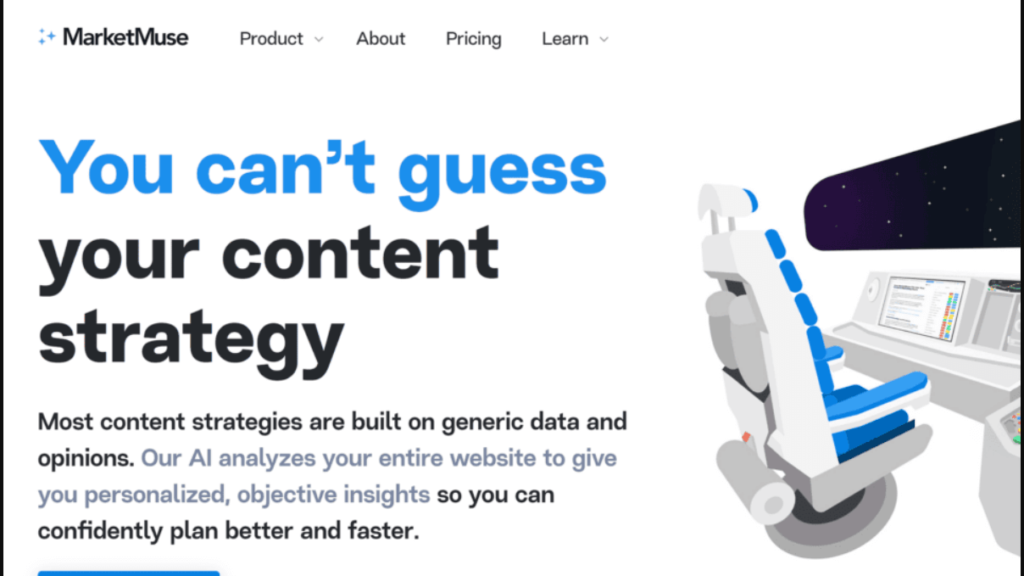
Jasper and Writesonic create text for conversation and transform it to FAQs. However, they require human editing for unique insight and fact-checking. Utilize Semrush for analysis of backlinks track brand-related mentions, as well as keeping track of your position in AI-driven SERPs.
Create an AI SEO workflow that is repeatable: Research (Surfer/MarketMuse) Draft (Neuronwriter /Writesonic) Optimize (Scalenut /SurferSEO and schema) Then publish using the schema as well as FAQ block. Digital PR can assist you to get high-quality links and brand names that increase authority of your business and increase visibility.
Content, Quality, and Trust: E-E-A-T, Personalization, and User Signals
Content must prove the authenticity of knowledge, gain citations and keep readers entertained. Nowadays, precise attributions as well as matching intent and privacy-safe practices are all part of the visibility of AI-driven content.
E-E-A-T, Citations, and Attribution in the AI Era
Sites should demonstrate the authority, experience and trustworthiness both in the content on the page and the author bios. Author bios should include authentic credentials as well as a link back to the author’s work.
Pages should be able to provide original insights that are backed by reliable data and clearly identified sources. This allows AI search engines trust your website as a primary source.
AI Citation systems appreciate well-organized content. Headings, clear sourcing and inline citations all improve your chances of getting referenced. Note captions on original photos and include EXIF or information on provenance when you can.
The technical SEO industry is still being used the canonical tags and structured information and sitemaps aid crawlers and AI to find the appropriate sources to credit. Trust signals can also comprise HTTPS as well as a contact page, and clearly visible editorial policies.
If you’re not able to do these, it could cause red flags both for Google’s E.E.A.T. checks as well as third-party AI models that decide which sources to refer to.
Personalized and Predictive Search: Matching Intent and User Engagement
Search systems are now able to predict intent using indicators such as dwell time, repeated visits and the context of queries. Predictive SEO makes use of these patterns to determine what the user will require next.
Sites that are designed to meet the intent of your visitors – answering the user’s need or question, keep users on your site for longer and show the quality of your site. Intent optimization refers to writing targeted content that is specifically designed for a purpose: purchase or compare, read or correct.
Personalization allows users to access their information about their history and the context of their device. For instance, a repeat customer who is a fan of product reviews will be able to see more in-depth comparison content that is which will be ranked higher.
Measurements like dwell time or click-through rates are important, but they should be based on real-world worth not just clever layouts. Well-structured snippets of text, clear CTAs and quick loading times keep visitors interested and help reduce bounce.
AI systems make use of engagement signals to alter the predictive outcomes. Quality pages that consistently delight users get greater exposure in the form of personal responses and AI overviews.
Content Creation, Ethical AI SEO, and Data Privacy Compliance
Content teams must keep a balance between ethics and scale. AI-generated content could help speed up the process of drafting, however human reviewers must add new perspectives and confirm factual information.
Ethics-based SEO steers clear of the fraudulent things like fake testimonials, no copies of reviews, and there is no concealing of affiliate motives. Be open regarding affiliations and sponsorships in order to establish trust.
Privacy of data affects how personalization is implemented. Sites must comply with the GDPR, CCPA, and similar laws when they use behavioral data to make suggestions.
Consent banners and simple opt-outs are essential. If you utilize third-party data sources to provide personalized snippets of information keep track of your sources and keep a record of the processing.
On the technical aspect reduce personal information in logs, haveh or remove the user’s IDs, and maintain an audit of access to data. These measures protect users and ensure that your website is in compliance with platforms that verify compliance with data practices.
The Next Frontier: Multimodal, Visual, and Conversational Search
Search is now a blend of videos, images and text. Websites should present clear images, well-structured media, and answers to questions so that AI systems can locate their content, summarize, and display their contents.
Visual and Multimodal Search: Google Lens, Pinterest Lens, and Video SEO
Visual search requires annotated images with descriptive alt text and precise captions. This can help Google Lens and Pinterest Lens index your visual assets in the proper method.
Technologies such as MUM allow search engines to understand information in different formats while at the same time. MUM is a good example of this. MUM permits more sophisticated queries that combine text with images.
Publishers should include detailed filenames and structured data. Always include appropriate alt text to make your content accessible to users as well as AI.
Video SEO requires detailed chapters, transcripts and videoObject schema to improve indexability. These information helps AI summary pull precise fragments and comprehend your video content.
Host transcripts on the exact page that hosts the video. Also, include timestamps on crucial actions. Optimize thumbnails, make sure that essential web functions up-to-date on pages that are heavy with media and utilize responsive images to prevent slow loading.
Geo and local signals are important for visual searches that relate to locations. Include precise business schemas as well as location markup and images that show interiors menus, signs, or other information so that multimodal systems can display local results in a way that is secure.
Voice Search, Conversational Interfaces, and Emerging Behaviors
Voice and conversational search favor natural, long-form questions and concise, practical answers. Create content that can answer specific questions based on People also Ask results. Then, add a an organized FAQ and QAPage schemas to ensure that AI assistants can reference your website with accuracy.
Utilize short lead responses Then, provide deeper sections for those who require more information. Conversational interfaces usually provide AI summary without clicking So, aim for user-generated content that demonstrates real-world understanding.
Monitor new KPIs such as active conversations, assisted conversions and the growth of branded search in order to determine the value of clicks beyond clicks. Also, be sure to monitor indexability – ensure that you’re using canonical and robots-friendly tags that aren’t able to interfere with voice surfaces.
Adjust your UX to the needs of a user who speaks quick pages, simple steps-by-step directions, and succinct meta-answers all aid in helping voice assistants find and assign your content.
Frequently Asked Questions
Here are some practical questions about using AI in SEO. These focus on specific steps, tools, and tactics businesses can use now to boost visibility, technical health, content quality, and link signals.
How can businesses leverage AI to stay ahead in SEO rankings?
Utilize AI to identify high-value topic gaps and rank pages that have the greatest chance of being ranked. A successful AI adoption involves performing assisted keyword clustering in order to classify user intentions and connecting every cluster with a particular content asset.
Let AI manage on-page optimization on a large scale. Automate the meta tag, headers and updates to structured data however, you must still review them by a human to ensure accuracy and voice of the brand. Utilize AI to track SERP opportunities in terms of features and to track the times when AI overviews or answer engines refer to sources.
Optimize your content so that it is short, well-attributed, and simple for AI to extract. This is how you can stay ahead of the curve.
What are the most effective AI tools for improving content strategy in SEO?
Tools for topic research that make use of the LLM’s suggestion engine can assist you to identify keywords driven by intent and provide useful sets of questions.
Search for tools that can show real-time user queries and calculate the probability of appearing in SERPs features. It’s an absolute lifesaver if you don’t know where to begin.
Content brief generators can help you write faster and can help you write about the most important topics and also provide proof.
Choose tools that integrate fact-checking and source citations–otherwise, your output risks being thin or generic, and nobody wants that.
Some analytics platforms utilize AI to predict the performance of your content. They can help you decide which original resources or long-form research articles will be worth the time.
In what ways has AI impacted technical SEO and search algorithms?
AI has created indexing and rendering that is more sensitive to your website’s design and structure. If your site is heavily dependent on JavaScript then you’ll require SSR (also known as edge rendering) to ensure that AI crawlers can actually understand your content.
Search engines now pay greater at authentic entity and author signals. If you’ve published with clear profiles of your authors as well as a schema and unifying identity across all platforms, you’re more likely to show up in answers generated by AI.
Performance metrics have risen above the scope of Core Web Vitals. Things such as smoothness of interaction and resource efficiency influence the way you appear in AI-driven performance.
What are the best practices for incorporating AI into an SEO-friendly website architecture?
Make your content into clusters that are based on entities that are more than keywords. Pillar pages should be linked to relevant subpages and schema is a great way to show the relationships between entities across your website.
Make use of server-side rendering and static generation on your most important web pages. Rapid, fast responses that can be cached on the edge ensure that AI and human users can access your website’s content in a short time.
Include structured data for Person, Organization, FAQ, Product and VideoObject. Make sure your JSON-LD markup is consistent including publication date as well as author IDs.
How has AI changed the link-building strategies for SEO purposes?
AI has led to link-building that is based on the value of citations and context and not just a few link numbers. Being included in expert roundups, research studies based on data, or trustworthy resources is more valuable today.
Innovative research tools, data sets, or other resources that generate backlinks make it much easier to AI systems to refer you. To help with reaching out, AI can help you identify pages that are covering similar topics, but do not have your specific information but don’t have your unique information.
It is advisable to concentrate on building relationships between entities across different platforms. The mentions on trusted websites Knowledge panels, knowledge boards, and structured citations can do more to establish your credibility than generic backlinks ever will.
What emerging AI technologies should marketers focus on for SEO in 2026 and beyond?
Marketers must pay attention to answer engines as well as multi-modal LLMs which mix audio, text and video comprehension. They tend to favor short, well-sourced responses.
It is a good idea to invest in tools that allow for automated mapping of entities and knowledge graph development. They can help ensure that identity signals are uniform across the internet.
Also, be aware of developments in multimodal indexing as well as real-time personalization. Things like frame-level indexing of video and user-context-based personalization could change the way content is displayed to different types of users.


