

Google’s search engine in 2026 isn’t like it was before. AI is now the main way Google, as well as other websites, locates, assesses, and presents content, which means that old-fashioned SEO techniques aren’t cutting it anymore. Here AI SEO now moves the needle.
AI SEO involves leveraging machine learning and artificial intelligence to refine search engine optimization tasks, from keyword discovery and content production to technical auditing and link acquisition.
AI systems today are more concerned about the way content responds to questions, showcases the expertise of experts, and creates trust on the internet.
There was a loss of traffic due to AI-generated summaries addressing questions before anyone clicks through.
Other people are struggling because their content is overlooked by systems that seek the most authority and depth and not just the use of keywords. However, SEO isn’t disappearing; it’s becoming faster and better at focusing on providing real value.
We’ll explore the best ways to create signals that are trusted by generative engines. We’ll show you how you can adapt your search engine optimization as well as link building and technical SEO to the modern AI-driven world.
Key Takeaways
- Shift to Intent and Context: The AI search engines of 2026 are more concerned about semantic meaning and user intent than matching a specific word.
- Topical Authority is Key: The best way to get noticed by AI search engines is to use topic clusters to prove your authority on a particular topic.
- Prioritize E-E-A-T: Establish credibility by providing transparent author credentials, original research, and brand mentions across the web.
- Optimize for AI Assistants: Use GEO and AEO techniques to get your content cited on AI Overviews and chat engines.
- Technical Excellence: Ensure that your website is technically sound to get noticed by AI search engines, which crawl your website to index your content.
- Avoid Quality Pitfalls: Do not rely on AI content generators, as unedited content is likely to fail, and always add your own insights to content, along with accurate facts.
AI SEO in 2026: What Has Changed and Why It Matters

Search engines are now using AI to determine the meaning of content and not only which keywords it contains. Google and other search engines verify whether pages actually respond to questions and demonstrate the real knowledge.
The Shift to AI-Driven Search Engines
The search engines of 2026 are nearly unrecognizable when compared to two years back. AI systems are now looking for the reason behind queries and not just keywords.
Google AI and similar platforms assess intent and context. They check if content answers questions and whether the topics that are related to them are covered in logical order.
Modern AI search systems analyze:
- What is the best way to solve the user’s issue
- The content is authentic or not. knowledge
- If the site shows the depth of the topic
- How they interact with the content
Traditional ranking signals such as the placement of keywords and backlinks have a significant impact. However, they’re not enough by alone.
AI-first search is concerned with content that truly understands the subject and not only “optimizes” for it. ChatGPT Search and Perplexity as well as Bing Copilot have joined Google as major sites users go to find information.
OpenAI as well as other businesses employ AI to collect and mix the content of all platforms. Thus SEO in 2026 will mean considering visibility across every platform, not only Google.
AI Overviews, Zero-Click Searches, and Their Impact
Google AI Overviews are now appearing on the first page of a variety of search results. These AI-created summaries gather information from reliable sources and can give answers right away.
It is the reason why users receive the information they require without having to visit a website. It has changed the way people search dramatically due to this. Certain businesses experience lower clicks even though they are highly ranked.
However, zero-click search isn’t an end to the tale. The goal is moving from receiving clicks to creating citations and increasing brand visibility.
When your brand appears in AI Overviews:
- Your name is noticed by users in a place that they trust.
- People perceive you as more authoritative.
- Branded search results tend to increase
- It builds trust even if clicks don’t happen immediately.
In order to be able to read these summaries, Your content must be concise and well-structured. AI systems are able to pull information more efficiently from pages that have clear and concise headings, well-structured sentences, and the most accurate information.
The focus has changed from ranking only to being mentioned as a reliable source.
Comparing Traditional SEO and AI SEO
Traditional SEO obsessed over keyword placement, backlink numbers, and meta tags. What is AI SEO in 2026? It’s a whole new game.
| Traditional SEO | AI SEO |
| Placement and repetition of keywords | The semantic depth of the topic and its concept |
| Volume of high backlinks | High-quality links from reliable sources |
| The ranking position is the primary measure | Brand brand visibility and citations |
| Individual optimization of pages | Content ecosystems and topic clusters |
| Focus on traffic | Signs of authority and trust |
AI SEO doesn’t ditch the essentials. Pages must still function technically. Keywords still matter for relevance.
The way that search engines process the signals is changing. In 2026, search engines will reward content that demonstrates firsthand experience and real knowledge.
Generic AI-generated content is all over the internet today. Search engines are looking for original information as well as specific examples of know-how from the industry.
The new paradigm means you’ll need well-organized content that can be a source of credibility. A comprehensive guide with accompanying articles is better than a plethora of bland articles.
Links between related pages enhance authority on the topic in ways that AI can recognize.
Core Strategies for AI SEO Success

AI search engines now favor sites that show deep expertise in a subject, match what users actually want, and build authority through brand presence.
If you want to improve ranking of AIO, you should consider using some AIO rank tracking tools.
Building Topical Authority with Topic Clusters
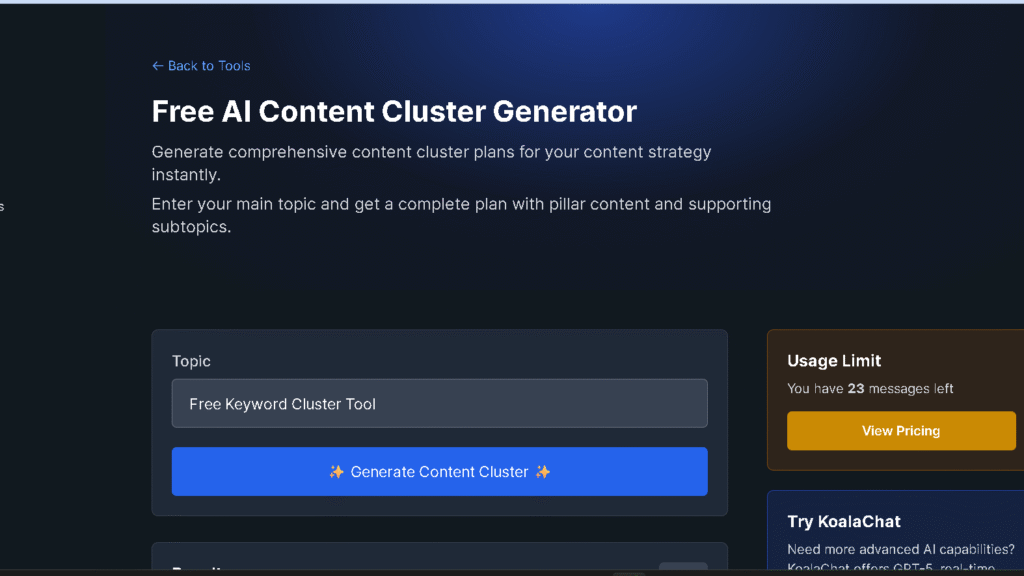
Topic clusters can help search engines identify the main topic of your website. This method groups similar articles around a central page, with articles that link back to it.
Select a subject that the company knows all about. Create a comprehensive web page to explain it. Next, write 10 additional articles that cover particular subtopics.
The most important steps to create effective topic clusters
- Pick one topic for each cluster
- All supporting content must be linked to the page of pillars.
- Utilize regular internal links to connect articles.
- Keep content updated regularly to ensure it is always fresh.
This structure informs AI search engines that you’ve taken the subject matter from every angle. Websites that have strong topic clusters typically get higher rankings due to genuine expertise, not only basic information.
The accompanying articles must answer the questions people are asking. Each article adds more information to the topic at hand. This increases trust among readers and search engines who perceive you as an expert.
Optimizing for User and Search Intent
The search intent is what people really seek when they type a query into Google. AI SEO hinges on matching your content to the needs of these users.
There are four kinds of search intents:
- Informational Users would like to know more about something new.
- Navigating the users searching for a particular site
- Commercial users are doing their research before purchasing.
- Transactional: The users are able to buy
See what’s already ranking on your specific keywords. These results will show you the search engines’ perception of what users are looking for. If the most popular results are just guides and don’t look at a product’s page.
AI search engines are attentive to the way individuals behave. They monitor how long people remain, when they come back and if they can find the information they require. Content that is relevant to search-related intent retains users.
Make use of the language your target customers use. Look through forums as well as social media and support tickets. Writing in the manner that people actually talk about subjects can help you get connected and get ranked.
Maximizing Brand and Author Visibility
Brand mentions and author recognition matter a lot more in AI SEO now. Search engines look for proof that real experts wrote the content.
E-E-A-T (Experience, Expertise, Authoritativeness, Trustworthiness) is a must. Modern EEAT standards want visible credentials and clear author bios.
Add links to author social profiles and other published work to boost trust. Brand visibility goes way beyond your own site. SEO pros suggest:
- Getting mentioned on industry sites
- Sharing original insights in publications
- Building a consistent brand voice everywhere
- Being active in professional communities
The bios of the author should reflect their experiences with the subject. Did they have experience on the subject? Did they solve the issues that they discuss in their writing? These details are crucial for confidence.
Monitor brand mentions even when the link isn’t there. AI search engines utilize the “unlinked mentions” as authority signals. The more times your company’s name pops up on the internet in a positive way, the more your authority grows.
Create content that displays real expertise. Provide cases and examples as well as what you’ve learned. This kind of information isn’t fake AI and shows that you’re a pro at what you’re talking about.
AI-Powered Content Optimization
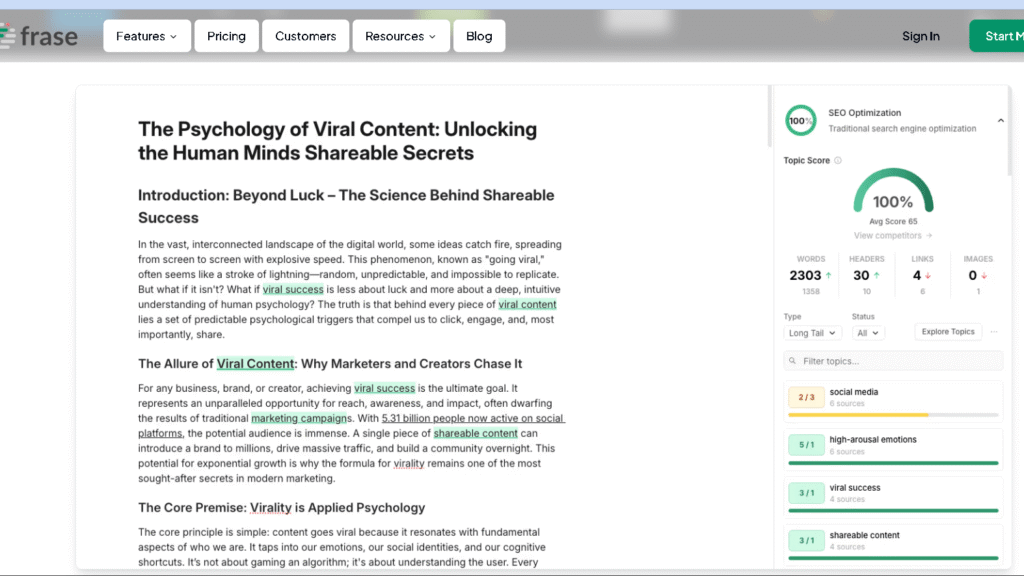
AI content optimization uses tech to boost how content performs in search and meets audience needs. The trick is balancing AI speed with human insight, formatting for AI assistants, and making content that keeps people interested.
How to Combine AI-Generated Content and Human Expertise
Structuring Content for AI Assistants and Featured Snippets
AI assistants grab info from web pages to answer user questions. To get cited, you have to format things right.
Use clear headings that match common questions. Give concise answers in the first couple of sentences under each heading. AI optimization works best when info is easy to pull out.
Formatting that works:
- Short paragraphs (think 40-60 words)
- Bullet lists for steps or features
- Tables for comparisons
- Bold text for key terms
- Direct answers before you dive into details
Featured snippets need the same approach. Answer the question right away, then add supporting info. Internal links help too, showing AI assistants related content and building your authority.
Add structured data markup when it makes sense. This helps AI figure out what kind of content you’ve got—be it a how-to, review, or comparison.
Improving Engagement Signals and User Experience
Engagement signals show search engines whether your content actually helps users. If people bounce quickly, rankings drop—even if your AI optimization looks perfect.
Start with page speed. Slow sites lose visitors before they even see your content.
Compress images, keep your code lean, and pick a fast host. These basics matter more than most folks admit.
Break up walls of text with visuals. Screenshots, charts, and images help people scan and understand complex topics way faster.
Make navigation simple. For long articles, add a table of contents and jump links to key sections.
Guide readers with clear calls to action. Don’t leave them guessing about the next step.
User experience isn’t just about design. Answer questions clearly, but don’t ramble.
Update content with fresh info. Cut out outdated sections that only confuse people.
Watch how long visitors stay and which sections they read. If folks drop off at a certain point, it’s time for a rewrite.
Technical SEO for AI-First Search

AI search engines need a clean technical setup to find, understand, and cite your content. Good indexing and crawlability let AI models access your pages. Structured data helps them grasp meaning and relationships. Fast-loading sites make a quality impression and improve user experience.
Indexing, Crawlability, and Site Architecture
AI-powered search engines like Google’s AI Overviews and ChatGPT need to crawl and index your content before they can use it in answers. If your content isn’t indexed, it might as well not exist.
Start with a clean robots.txt file. Allow AI crawlers to reach your key pages, but block admin areas and duplicates.
Don’t accidentally block CSS or JavaScript files—these help search engines render your pages. Use Google Search Console to keep tabs on what’s indexed and fix crawl errors fast.
Submit an updated XML sitemap through Google Search Console and Bing Webmaster Tools. Sitemaps act as roadmaps, helping crawlers find new and updated content quickly.
If your site is big, break sitemaps into smaller files by content type or update frequency.
Build a logical site architecture so important pages are always within three clicks of the homepage. Use clear, keyword-rich URLs and consistent breadcrumb navigation.
Link related content internally. This helps AI models understand how your topics connect and what you’re an expert in.
Group content by topic to show topical authority. AI systems pick up on this.
Structured Data, Schema Markup, and Entity Optimization
Structured data gives AI search engines clear info about your content’s meaning and relationships. It helps them recognize people, places, organizations, products, and how they all fit together.
Implement JSON-LD schema markup for the types of content you publish. Use Article schema for blog posts, Product schema for e-commerce, FAQ schema for Q&A, and LocalBusiness schema for physical locations.
This markup bumps up your chances of showing up in AI-generated answers and rich results.
Test schema implementation with Google’s Rich Results Test before you go live. Make sure your structured data matches what’s actually on the page.
Mismatched or sneaky markup can get you penalized. Not worth the risk.
Focus on entity optimization. Be clear about who you are, what you do, and how you connect to others in your field.
Mark up author credentials, company affiliations, and content relationships with schema. AI models use these signals to decide who’s trustworthy and worth citing.
Prioritizing Page Speed and Core Web Vitals
AI search engines prefer fast, stable websites. Google says Core Web Vitals impact rankings, and slow sites often get left out of AI recommendations.
Optimize Largest Contentful Paint (LCP) by speeding up your server and making images load faster. Use WebP or AVIF to shrink image sizes, turn on lazy loading, and serve assets through a CDN.
Reduce Interaction to Next Paint (INP) by cutting down JavaScript execution. Toss unused scripts, defer non-critical JavaScript, and break up long-running tasks.
Quick interactivity shows you care about user experience.
Fix Cumulative Layout Shift (CLS) by reserving space for images, ads, and embeds before they load. Always set width and height attributes so things don’t jump around.
Don’t insert new content above what’s already there unless a user clicks something.
Monitor performance regularly using PageSpeed Insights and Google Search Console’s Core Web Vitals report. Mobile matters most now—most traffic comes from phones.
If your site loads fast everywhere, you’ve got a much better shot at being cited by AI engines and turning visitors into customers.
Keyword Research and Competitor Analysis Using AI
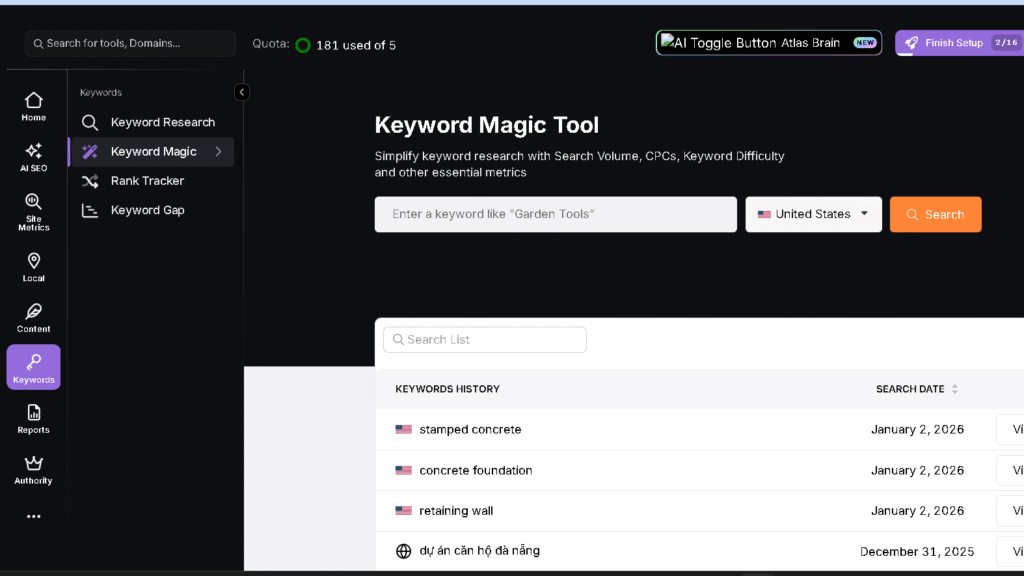
AI has changed keyword research from simple lookups to real strategic work. Modern AI tools spot semantic relationships, predict trends, and find competitive gaps that old-school methods miss.
Semantic and Predictive Keyword Targeting
Traditional keyword tools tell you what people searched for last month. Predictive SEO tries to guess what they’ll search for next month.
AI models like ChatGPT and Claude get how terms relate. They know “best running shoes” and “top sneakers for jogging” mean the same thing.
About 15% of daily searches are brand new. No history. AI can help you catch those.
Zero search volume keywords can be more valuable than the big ones. AI finds these by digging into:
- Customer support tickets and FAQs
- Reddit threads and forums
- Related questions from Perplexity and ChatGPT
- Industry lingo and pain points
AI tools are also great at intent classification. They sort keywords into informational, commercial, transactional, and navigational buckets by analyzing language patterns.
Just ask: “Classify these keywords by search intent and explain why.” AI spits out results in seconds.
Specialized AI SEO tools like Surfer SEO and MarketMuse build topical maps around entity relationships. These show you what you’re missing.
Analyzing Content Gaps and Search Trends
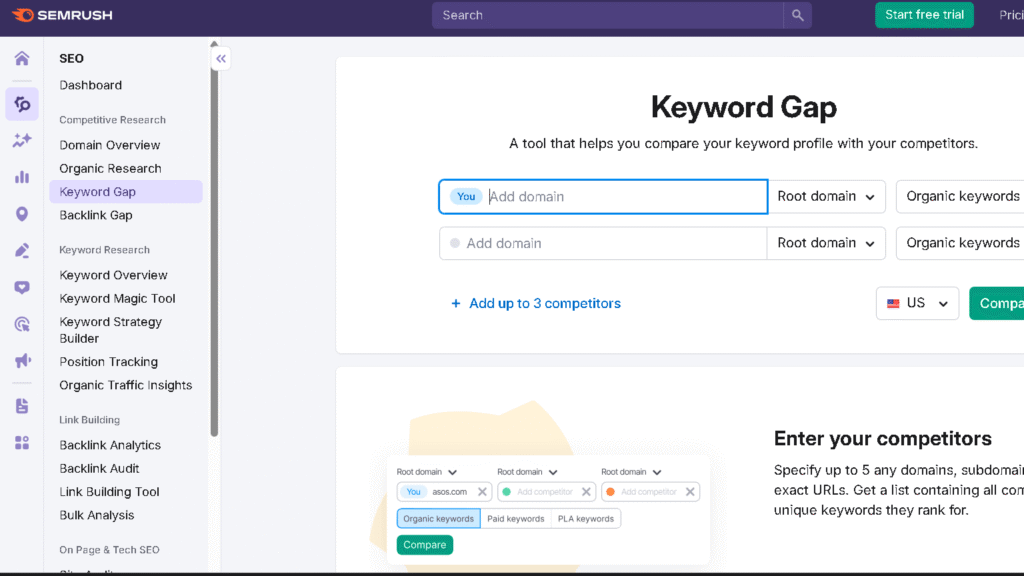
Content gap analysis shows where competitors rank and you don’t. AI gives you strategy, not just data dumps.
Start by exporting competitor rankings from Ahrefs or Semrush. Feed the top 500-1000 keywords for 3-5 competitors into an AI model with a comparison prompt.
The AI groups gaps by theme, not just random keywords.
Priority scoring helps you focus on the valuable gaps. AI can score for:
- Business relevance
- Search volume and traffic potential
- SERP difficulty
- Effort to create new content
AI analytics connect keyword gaps to real user behavior. Machine learning tools spot trends before they hit traditional databases.
ChatGPT can even analyze which competitor topics are covered thoroughly versus just glossed over. That’s your chance to fill real user needs.
AI Tools for In-Depth Competitor Intelligence
General AI models like ChatGPT and Claude help with brainstorming and semantic analysis. They generate unlimited keyword ideas, not limited by old databases.
You may read my article about best Claude checking tools compared.
Specialized AI SEO platforms mix language models with real search data:
| Tool Type | Best For | Key Features |
|---|---|---|
| Content optimization | Neuronwriter, Clearscope | SERP analysis, semantic keyword suggestions, content scoring |
| Topic modeling | MarketMuse, Frase | Authority mapping, cluster strategies, gap identification |
| All-in-one platforms | Semrush, SE Ranking | AI-powered insights from traditional SEO data |
The Semrush AI Copilot digs up insights from huge data sets that you’d never spot manually. Ahrefs added an AI Search Intents metric so you can see which keywords AI Overviews will dominate.
The best approach? Layer tools together. Brainstorm with ChatGPT, check search volume in Ahrefs, then optimize with Clearscope. You get creative ideas plus real data—for strategies that old-fashioned tools just can’t deliver.
AI Link Building
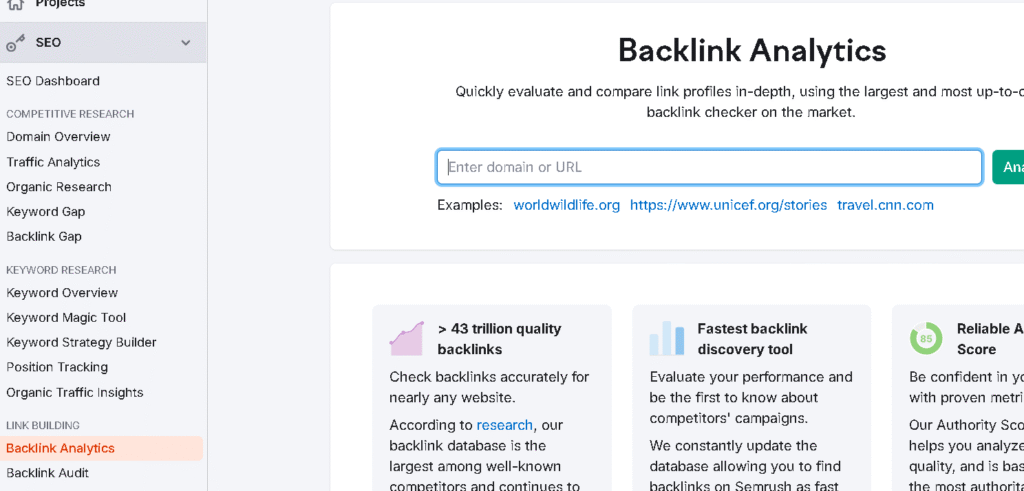
AI tools now handle the grind of link building—prospecting, personalizing outreach, and follow-ups—while humans focus on building real relationships and content that actually earns links.
Platforms like Pitchbox and BuzzStream use machine learning to score prospects by authority, relevance, and reply odds. They pull contact info, draft personalized emails based on recent content, and schedule follow-ups for you.
This slashes manual research time by 60–70% and boosts reply rates when your outreach feels genuinely tailored.
Content that attracts links still needs a human touch. Original research, unique data, and real case studies earn backlinks because people want to cite them.
Your team should publish studies, surveys, and expert roundups that fill gaps in your niche. AI can spot those gaps by analyzing competitor backlink profiles and flagging under-covered topics.
Broken link building and resource page insertions move faster with AI scrapers. They find dead links on high-authority sites and match them to relevant pages on your site.
Ahrefs and SEMrush automate the discovery part. Writers still need to craft a pitch that lands.
| Task | AI Role | Human Role |
|---|---|---|
| Prospect scoring | ML ranking by authority and fit | Approve final list |
| Email personalization | Generate tailored drafts at scale | Edit tone and offers |
| Gap analysis | Surface under-linked topics | Create linkable assets |
| Monitoring | Track mentions and new backlinks | Nurture relationships |
Link velocity and anchor diversity still matter. AI keeps an eye on your profile, flags spammy links, and suggests disavows.
It’ll never replace real partnerships, guest posts, or PR—but it makes everything faster and way more data-driven.
Generative Engine Optimization (GEO) and Answer Engine Optimization (AEO)
AI-powered search platforms now cite just a handful of domains in each response. That makes visibility tougher but way more valuable than old-school rankings.
If you want to win, focus on structured content AI can pull, strong entity signals for trust, and keep tracking your citation performance across platforms.
GEO Concepts and Visibility Strategies
GEO is all about shaping your content so AI platforms like ChatGPT, Google AI Overviews, and Perplexity can find and cite your brand when people ask questions. These engines lean toward earned media—third-party coverage, reviews, and industry mentions—way more than your own blog posts.
To get anywhere, you need entity authority. AI engines have to recognize your brand, your people, and your products as legit.
Key tactics include:
- Keeping brand mentions consistent across the web
- Publishing detailed About pages and author bios
- Building a Wikipedia presence when it makes sense
- Managing knowledge panels actively
Content structure really matters. AI engines break pages into passages and judge each one on its own. Start every section with a straight answer, then add context.
Use a clear heading hierarchy, toss in FAQ sections, and put short summaries under key headings. This helps AI engines extract and cite your info more accurately.
Citation frequency brings in qualified leads because when AI-generated answers mention you, it’s a kind of endorsement that regular search listings just can’t replicate.
AEO Tactics for Inclusion in AI-Driven Answers
Answer Engine Optimization (AEO) is all about creating content that is easy for AI to comprehend and then provide answers. The techniques are similar to GEO; however, AEO concentrates on giving clear responses to specific questions.
Schema markup is essential. The types, like Article FAQ, Organization, and Breadcrumb, aid AI engines in understanding the content you’re talking about. Without well-structured information, AI systems struggle to identify the content on your website.
It’s also important to understand the technical basics. Make sure you check the robots.txt files to ensure that you’re blocking AI crawlers such as GPTBot, ClaudeBot, and PerplexityBot. Some brands also include an llms.txt file to instruct AI systems on how to use their websites.
Freshness of content is important. AI engines evaluate the time since publication when deciding on sources. If your guide for 2024 remains in a state of nil, an article from 2026 that covers the same subject is likely to prevail.
Make sure you’re up-to-date with the latest data, insights, or information and an explicit “Last updated” date. This will increase your chances of being cited.
Original research can be the perfect source for citations. When you publish your own research, benchmark studies, or unique frameworks, you provide AI engines a legitimate reason to use you in place of your competition.
Tracking AI Visibility and Metrics in 2026
Most brands have no idea how AI engines actually present their content. That makes optimization tricky. Tracking AI visibility needs different tools than the usual SEO platforms.
Important AI visibility metrics include:
| Metric | What It Measures |
|---|---|
| Citation Frequency | How often a brand appears in AI-generated answers |
| Share of Voice | Brand mentions versus competitors across AI platforms |
| Citation Sentiment | Whether AI presents the brand accurately and positively |
| AI-Referred Traffic | Visits and conversions from AI search, tracked through GA4 |
GEO platforms built for this purpose query AI engines directly and track brand performance over time. Traditional SEO tools just don’t cover these metrics, so you’ll need specialized software to really measure how you’re doing in AI search.
The landscape keeps shifting. Models update, citation patterns change, and competitors catch up. Use your performance data to figure out what’s working, which platforms matter, and where rivals are gaining ground.
Scaling what works—across formats and by building cross-team workflows between content, SEO, and PR—tends to pay off in the long run.
Advanced Tactics and AI SEO Case Studies
Honestly, real-world results show AI SEO works when you get it right. One client saw 1,400% growth in monthly AI referral traffic and showed up for 164 keywords in AI Overviews by using log file analysis, structured data, and optimizing for different content types.
Local SEO and Google Business Profile in the AI Era
Local search matters more than ever, since AI tools like ChatGPT and Google’s AI Overviews pull info straight from Google Business Profile listings. AI systems give preference to businesses with complete, accurate profiles when answering location-based queries.
If you’re a local business, you really need to optimize your Google Business Profile. Add detailed descriptions, current hours, and real customer photos. AI crawlers scan these profiles to figure out what your business actually does.
Key optimization steps include:
- Adding specific service categories and subcategories
- Uploading high-quality images of products, services, and locations
- Responding to reviews using relevant keywords naturally
- Posting regular updates about services, offers, or business changes
SEO agencies say clients with optimized profiles get cited more often by AI tools when people ask for local recommendations. The profile acts as a trust signal that nudges AI systems to mention those businesses.
Structured data for local businesses, like LocalBusiness schema, helps AI understand location details, hours, and service areas. That makes it easier for AI to match you with the right user queries.
Content Updates, Authority Building, and Brand Growth
Fresh content tells both traditional search engines and AI systems that your site’s current. Regular updates keep you relevant for generative engines. Sites that make this a priority tend to do better in AI-generated results, because AI tools want recent, accurate info.
Building authority means showing real expertise. AI systems check for firsthand knowledge, specific examples, and original research or data.
Effective authority-building tactics:
- Publishing case studies with real results and metrics
- Creating content based on direct experience with your products or services
- Including original data, screenshots, or test results
- Building relationships with other respected sites in your niche
Agencies that publish detailed case studies showing actual results—like traffic gains or ranking jumps—build way more authority than those sharing vague tips. AI tools notice and cite sources with proven expertise more often.
Mentions across the web help AI systems figure out who the real authorities are in each field. When multiple trusted sources mention your brand or experts, AI tools get more likely to include you in their answers.
Content that brings in qualified leads usually answers the specific questions people ask when they’re close to making a decision. AI systems pull from this kind of content when users look for solutions.
Measuring Success and Future-Proofing Your AI SEO Strategy
To track AI referral traffic, check your analytics for referrers like ChatGPT, Claude, Perplexity, and Google’s AI features. These show up separately from your usual organic search traffic.
Important metrics to monitor:
| Metric | What It Measures | Why It Matters |
|---|---|---|
| AI referral traffic | Visits from AI tools | Shows AI visibility |
| Keyword appearances in AI Overviews | How often content appears in AI results | Indicates AI relevance |
| Bot crawl frequency | How often AI bots visit pages | Shows content accessibility |
| Structured data coverage | Percentage of pages with schema | Affects AI understanding |
Log file analysis shows which pages AI bots crawl most. Pages with high crawl rates from AI bots usually have strong internal links, clear structure, and good schema markup.
To future-proof, stick with the basics that work everywhere: quality content, technical excellence, and real expertise. These stay valuable no matter how search tech evolves.
Keep an eye on emerging AI search platforms beyond Google. Tools like Perplexity and ChatGPT drive real traffic, and their user bases are growing. Optimizing for more than one AI platform gives you more chances to reach qualified leads.
Regular content audits help you spot pages that need updates. AI systems want current info, so refreshing older pages with new data keeps them competitive in AI search results.
AI SEO Tools
AI SEO tools automate tasks and help you find better keywords and monitor your rankings across search engines as well as AI platforms such as ChatGPT and Perplexity.
Global SEO Software Market:
$1.8 billion in 2024, projected to reach $3.5 billion by 2030 (CAGR of 11.8%)
Source: Market research reports from Grand View Research and similar firms
Another estimate: $2.14 billion in 2024, growing to $4.12 billion by 2032
Source: Various market intelligence reports
Semrush
Semrush blends all of the above into one platform, including an enormous 27.3 billion keyword database as well as AI visibility monitoring. It monitors ChatGPT, Perplexity, and Google AI mode, updating every day.
You can switch between old-school results as well as the most recent AI search results. Semrush also manages the audit of websites as well as competitor analyses.
Benefits Large keyword databases It monitors AI, the number of citations, and offers excellent backlink analysis, automate SEO.
Con: Pricey at $199/month For beginners, the learning curve is steep.
Searcher SEO
Searcher SEO utilizes AI to improve content for conventional and AI Google and other search engines. It claims 40% more citations in large language models and has an 89 percent ranking correlation.
This AI Humanizer feature helps your content sound natural while remaining optimized. Pros: Real-time content editor, clear optimization scores, strong ranking correlation. Con: Not as strong for keyword research as others, and prices start at $219/month.
Ahrefs
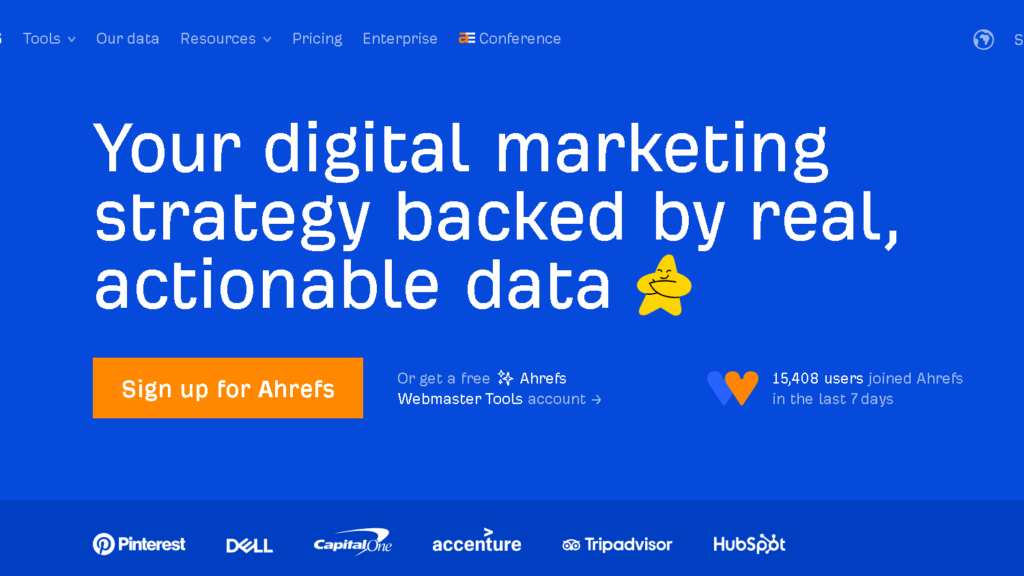
Ahrefs has a link index of 35 trillion and tracks more than 150 million AI prompts. It is particularly effective in backlink analysis as well as competitor research.
You receive precise keyword difficulty scores as well as thorough site audits. Advantages Excellent backlink information Simple interface and reliable metrics.
Pros: AI tracking costs additional (Brand Radar $199-699), and optimization of content capabilities is limited.
Frase io
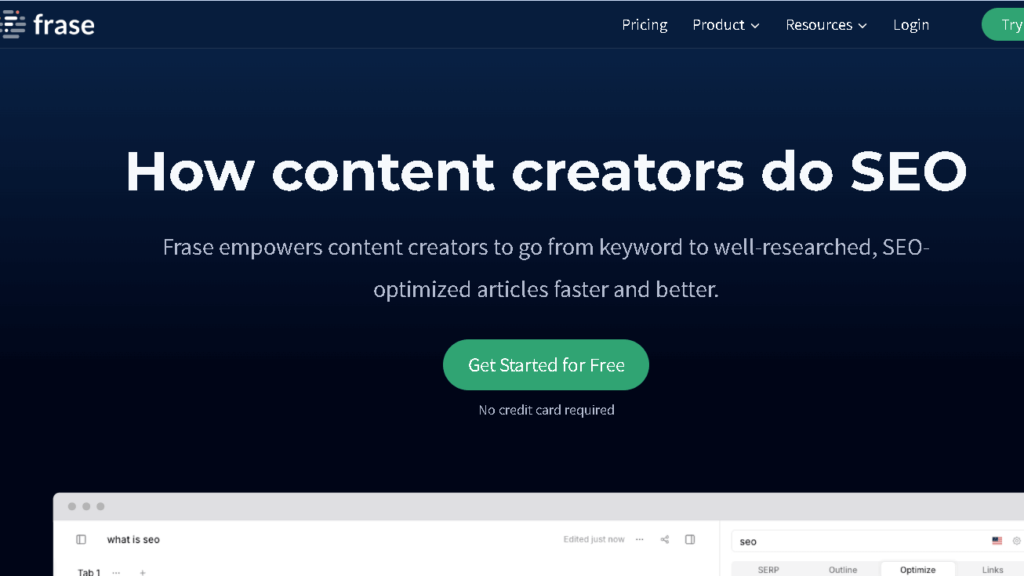
Frase provides budget-friendly content optimization for $45 per month. It covers the entire publishing process from research to publication with AI-powered shorts and tips for optimizing your content in real time.
Advantages Cost-effective, speedy briefs of content, ideal to use with small groups. Pros: Smaller keyword database with fewer SEO-related features than tools for enterprise.
SE Ranking
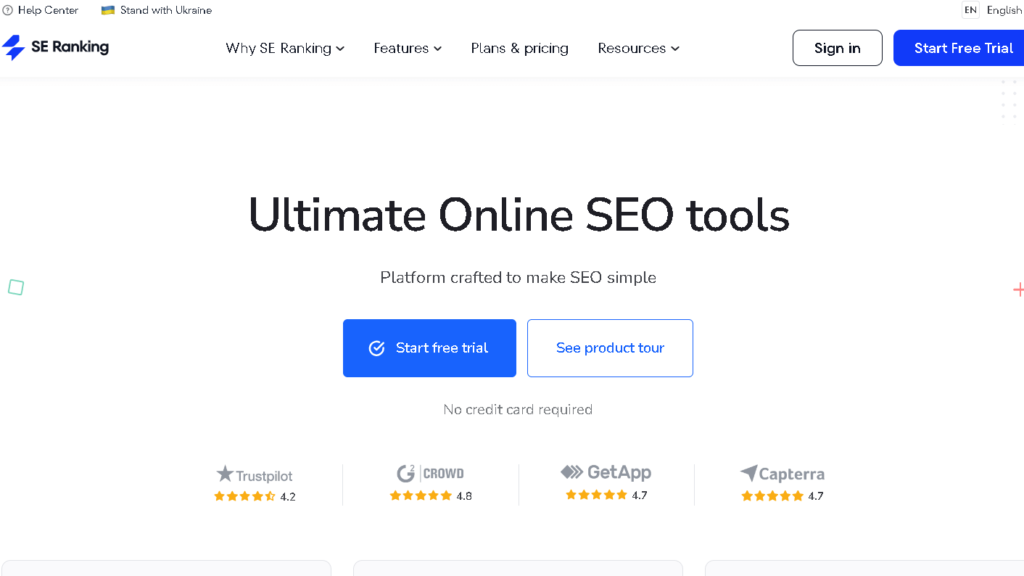
SE Ranking provides enterprise-grade features at an affordable price. It offers rank monitoring, site audits, and backlink monitoring, as well as AI tools for managing content.
It’s an excellent choice for agencies with a large number of clients.
Advantages The reports are white label, an excellent ROI for agents, and have extensive features.
Pros: The interface feels a little old-fashioned, and data updates are slow in comparison to the top tools.
In this review of SE Ranking you can get more information about this tool.
Clearscope
Clearscope Clearscope is focused on optimizing content, making use of AI-driven suggestions. It identifies the most popular content and offers clear guidelines on the appropriate terms to use as well as how to arrange your work.
Pros: Clean interface, accurate content grading, strong editorial workflow. Con: No keyword research, and the cost is high at $170 per month minimum.
MarketMuse
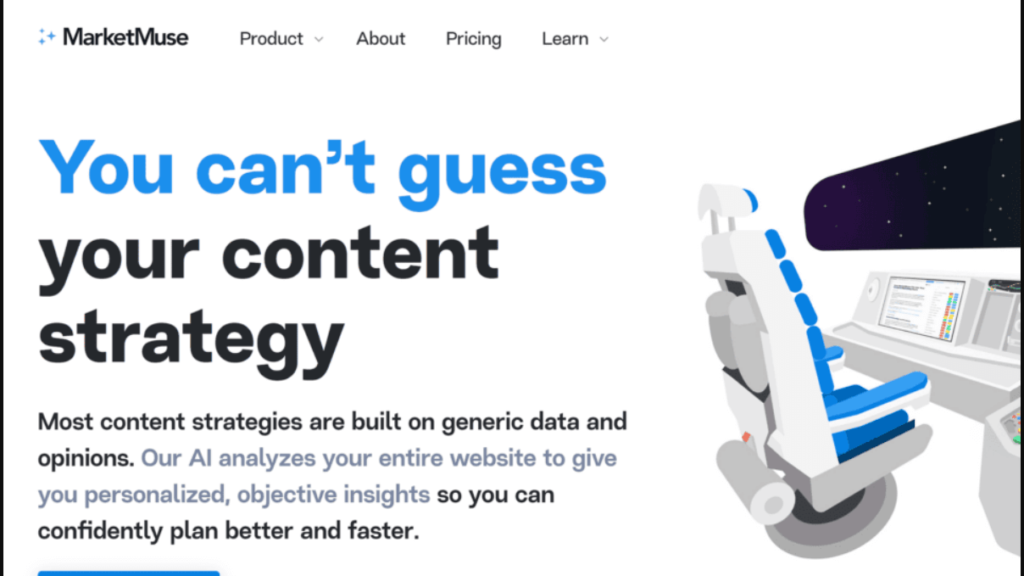
MarketMuse makes use of AI to detect gaps in content and potential opportunities on your website. It creates detailed content briefs using semantic analysis. It also helps you develop topic clusters.
Advantages include advanced content strategies and competitive analysis, as well as tracking subject authority. Pros: A bit complex for newbies, and pricing starts at $149 per month.
Jasper AI
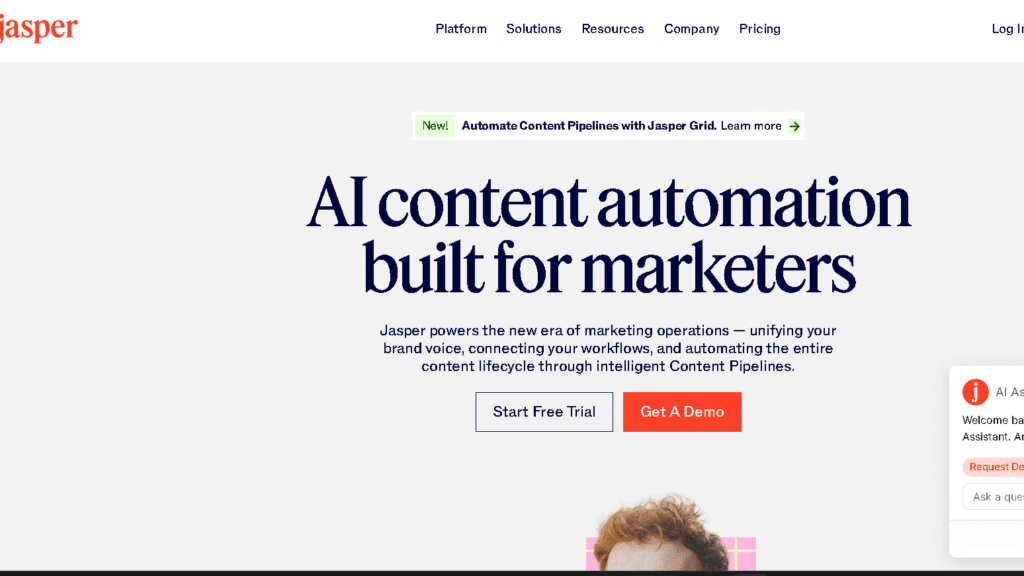
Jasper AI creates SEO-optimized content on a large scale using templates and brand voice learning. It integrates with Surfer SEO for optimization scores while you write.
Advantages Quick content generation retains your brand’s voice and provides plenty of templates. Con: Needs human editing Not a complete SEO solution, starting at $39/month.
NeuronWriter
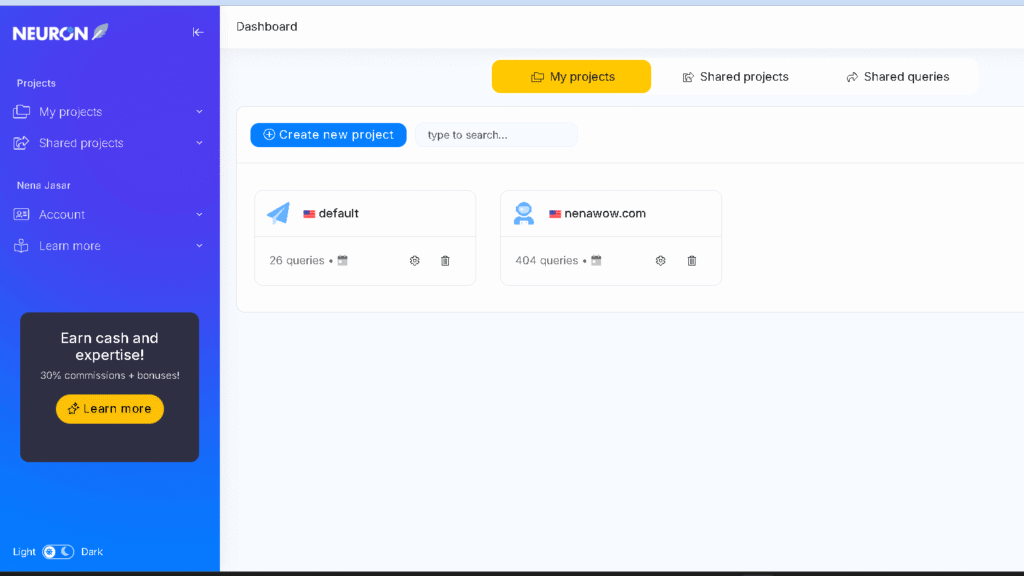
NeuronWriter is a combination of the optimization of content with semantic analysis for a low cost. It gives NLP suggestions and analyzes the content of competitors.
Advantages Affordable at just $23 per month Good semantic analysis, simple interface. Con: Smaller database than high-end tools and limitations on backlinks.
In this review of NeuronWriter , you may find everything you want to know about this ai writer.
Scalenut
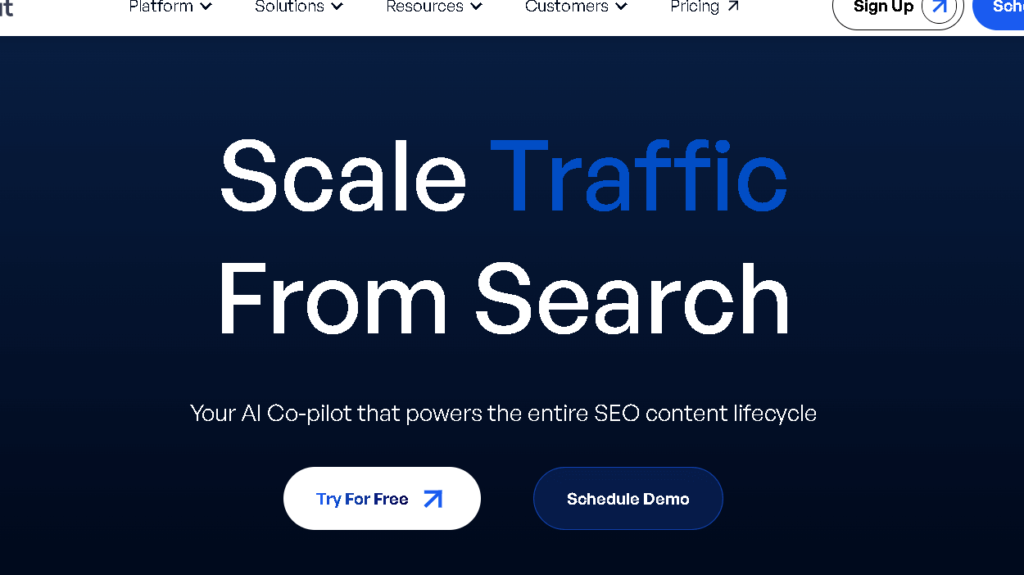
Scalenut offers AI content creation that includes integrated SEO analyses and optimizing. It handles research, outline writing, and optimization all in one location.
The pros: A full workflow of content cruise mode to automate writing and a reasonable monthly cost of $39/month. Con: AI writing quality isn’t always guaranteed, and SEO tools for technical use are not as powerful.
AI SEO Tools Comparing Table
| Tool | Starting Price | Best For | AI Tracking |
|---|---|---|---|
| Semrush | $199/month | All-in-one SEO | Yes |
| Surfer SEO | $219/month | Content optimization | Yes |
| Ahrefs | $129/month | Backlink analysis | Add-on |
| Frase | $45/month | Budget content work | No |
| SE Ranking | $55/month | Agency reporting | Limited |
| Clearscope | $170/month | Content grading | No |
| MarketMuse | $149/month | Content strategy | No |
| Jasper AI | $39/month | Content writing | Integration |
| NeuronWriter | $23/month | Budget optimization | No |
| Scalenut | $39/month | Automated content | No |
AI SEO Rank Tracking Tools
AI SEO rank tracking tools show where your pages appear in AI answers and regular search results. They help you protect and grow your organic traffic.
1) AIcliks
AIcliks tracks your site’s visibility across AI-driven search platforms like Google and Copilot. This is, also one of the best tools to track mentions in ChatGPT. It shows when your site gets cited in AI overviews and how often it pops up.
You get automated alerts and simple dashboards. If your AI mentions drop or spike, you can spot it fast and tweak your content right away.
2) Promptwatch-Best Claude SEO Checking Software
Promptwatch tracks your brand’s visibility across ChatGPT, Gemini, Claude, and other AI search engines. You’ll see where your brand shows up in AI answers and how often it happens.
The dashboard makes it easy to notice changes in AI mentions. It’s handy for guiding AI-focused content and testing different prompts.
3) GetAirefs
GetAirefs blends classic rank tracking with new AI-focused visibility features. It tracks keyword positions and AI citations, including ChatGPT and Google AI Overviews.
The dashboards and alerts show when AI answers impact your traffic. You can compare your organic rank against AI visibility and find opportunities you might miss otherwise.
4) Morningscore
Morningscore combines rank tracking, backlink checks, and site health into one simple dashboard. It uses missions to guide you on what to fix next, which really helps if you’re not an SEO expert.
The tool shows a monetary value for your organic traffic, so you can focus on what matters for your business. You’ll also get AI features for content suggestions and SERP monitoring.
5) SE Ranking
SE Ranking tracks both traditional rankings and AI-driven visibility in one place. There’s an AI Search add-on that helps you monitor AI Overviews and citations, too.
You get keyword tracking, site audits, and competitor research. For small teams and agencies, the price and features are actually pretty solid.
6) Semrush AI Rank Tracking
Semrush tracks keywords across Google and several AI platforms like ChatGPT and Gemini. It gives you an AI visibility score and even prompt-level mentions.
You can compare competitors, spot gaps in visibility, and check out sentiment trends. The reports are clear and make it easy to take action without digging forever.
7) Ahrefs Rank Tracker
Ahrefs Rank Tracker shows your keyword positions across devices and locations. Rankings update regularly, and you can compare your performance to competitors.
It connects to Ahrefs’ broader data for deeper keyword and traffic insights. Teams use it to monitor visibility and catch drops before they become a problem.
8) AI Rank Lab
AI Rank Lab gives you an all-in-one platform for SEO and AI-driven content work. There are tools for keyword planning, content generation, and rank tracking all in one place.
You can track classic search rankings and AI-mode visibility. The platform also provides reports about technical SEO and content gaps—pretty useful, honestly.
9) Keyword.com
Keyword.com tracks keyword positions and SERP features across different search engines and locations. You get daily rank updates and clear visibility metrics.
It also monitors AI search platforms like ChatGPT and Perplexity. You’ll see trends and competitor share of voice in a dashboard that’s actually easy to use.
10) Moz Pro Rank Tracking
Moz Pro keeps an eye on keyword rankings for both local and national searches. You get to see how your positions shift over time, plus how your competitors are doing—handy for catching trends early.
The reports connect ranking data with site audits. They also tie in keyword research, so you can actually see what matters most.
Honestly, this makes it easier for teams to figure out what to fix or which content needs a refresh. No more guessing—just clear priorities.
AI SEO Mistakes to Avoid
Publishing unprocessed AI content with no editing? This is one of the biggest mistakes that people make. Google’s systems are getting more adept at spotting content simply there to get ranked.
Websites publishing more than 50 unreviewed AI articles saw traffic decline by 42% after the huge 2025 update. It’s a painful learning.
Utilizing AI for writing about subjects that you aren’t familiar with can be a disaster fast. AI models are often portrayed as certain but are not accurate.
When you’re not an authority on the field, you likely will miss those mistakes. This is especially true for finances, health, or legal matters.
Websites that posted more than 200 just AI articles over the course of three months saw the number of visitors decrease by 28 percent. Ouch.
Keywords that are not targeted and don’t understand the intent behind the search are a waste of money and time. A detailed, 3,000-word book won’t be ranked if people require a quick response or an answer tool.
Do you want to skip original research or data? AI cannot alter existing information, but it isn’t able to conduct surveys or provide your own information about your business.
Pages that have new data receive more backlinks and are also cited more often by AI platforms. It’s worth it.
Letting AI guide the overall content strategies results in generic topic lists. AI recommends what’s been done, and not the things that make your company stand out. Don’t let it decide every shot.
Human oversight and experience must always guide the use of AI tools. Think of AI like your assistant for research, and not as your boss.
Ethical AI SEO
Ethical AI SEO focuses on using artificial intelligence to enhance content quality and user experience while maintaining transparency and accuracy. It rejects deceptive practices like mass-producing low-value, unedited content or manipulating algorithms through automated spam.
By prioritizing human oversight and fact-checking, ethical AI SEO ensures that automated tools serve to provide genuine value to readers rather than just chasing rankings.
Frequently Asked Questions
AI tools are changing how teams research keywords, structure content, track performance, and keep up with algorithm changes. Here are some practical answers about strategy, ranking, user experience, and measurement.
How can AI technology be leveraged to improve SEO strategies in 2026?
AI tools help with keyword research by clustering similar queries and surfacing opportunities with low competition. Machine learning classifies keywords based on their definition, not only by exact words, allowing teams to build topics around the things people want.
Optimization of content is faster with AI-scored drafts in real time. Writers receive immediate feedback on readability, keywords used, and the relevance of their work while they write.
The technical SEO benefits from the power of AI to analyze crawls. These systems detect issues with indexing, broken links, and speed issues in real time.
They also rank fixes based on the impact they have on resolution and monitor it as time passes. AI assists with schema markup as well by validating structured data and recommending new types of data—FAQ Products, HowTo, and FAQ—to increase the eligibility of snippets.
Predictive analytics can detect shifting rankings before they occur. Machine learning studies the patterns of the past along with Core Web Vitals to alert teams that pages could be affected.
In what ways does AI influence search engine algorithms and affect ranking factors?
Search engines are now using AI models to understand the intent of queries and then match it to information that addresses the problem of the user. Natural language processing examines how words interact with each other, not just how frequently keywords are displayed.
E-E-A-T signaling is more important because AI examines the author’s credentials as well as the quality of citations and third-party references to assess the credibility of the source. Pages that have real knowledge and experience can surpass general summary reports.
It’s more important to be fresh as well. AI Overviews are a good way to find recent content, and 76.4 percent of the citations found in the generative results were derived from websites that were updated within the last 30 days.
Engagement metrics from users help rank algorithms via AI. Scroll depth, dwell time, as well as repeat visits and interaction rates tell more about the quality of a website than just backlinks.
Structured data can help AI draw facts to create featured snippets of information and panels. Schema markup helps to clarify relationships, which makes the data easier for AI algorithms to understand and use.
How can businesses integrate AI with SEO to enhance user experience and site engagement?
AI-powered search tools improve site navigation by anticipating what users are looking for before they type. Autocomplete’s suggestions help visitors find the correct page quicker than the old-fashioned menus ever could.
Individualized content recommendations keep visitors engaged on your site for longer. Machine learning analyzes the patterns of browsing and suggests relevant products or articles for every visitor.
Chatbots tackle common questions right away. They reduce bounce rates with immediate answers, with no need to go through several pages to find the answer.
AI increases page load speeds through compression of images, putting scripts off and prioritizing content above the fold. Speedier pages equal more Core Web Vitals and happier visitors.
Natural language interfaces let users ask conversational questions. Search and query refinement help users find information, particularly on mobile devices, which is where 77% of searches are completed with no click.
Sentiment analysis reveals how people respond to content. Teams can alter the tone, formatting, or content according to patterns of engagement AI detects.
What are the best practices for combining AI-driven content creation with SEO techniques?
Begin with AI to write the content you write; however, remember to add first-hand information and a seasoned analysis. Machines aren’t able to duplicate the original analysis, case studies, or personal tales, and these details will set your content distinct from boring summary reports.
Always confirm the facts of the information that AI writes by comparing each assertion to credible sources. If you allow false information to pass into your system, you’ll be losing trust, and this isn’t good for E-E-A-T.
Structure is crucial. Make use of short paragraphs, subheadings for H2 or H3, and bullet-point lists, and be sure to get directly to your point with your first blocks.
Human editors should refine AI drafts to ensure they are in line with the voice of your brand and are comfortable to be read. If sentences begin to sound repetitive or robotic, algorithms and readers detect it.
Use schema markups to clarify semantic connections. The FAQ as well as the HowTo data could increase your chances of being featured within AI Overviews or in featured short snippets.
Make sure your AI-generated pages are updated regularly. You should check them at least every couple of months, especially in the case of topics that are constantly changing, like finance, technology, or health.
The importance of attribution is in the details. Link to primary sources and display the author’s credentials to increase credibility and the vital E-E-A-T signal.
How does AI-powered SEO help in measuring and optimizing conversion rates and other key metrics?
AI tracks user journeys across different touchpoints. It determines which content can help people convert, not only which pages they go to.
Attribution models illustrate what happens when organic traffic, AI referral traffic, and direct visits are all working together to increase revenues. Sometimes, the process of conversion is more complex than you think; however, AI can unravel it.
Predictive analytics make use of patterns of engagement to predict conversion rates. Machine learning algorithms identify pages that require minor tweaks, such as quicker load times or clearer calls to action—these may yield the best ROI.
Session replays and heatmaps reveal the areas where users stop. AI examines these patterns and recommends layout changes, easier forms, or content editing to smooth things out.
A/B testing receives a major improvement using AI. The system shifts traffic towards the most successful versions and terminates tests that are not successful, which means you will be able to optimize your tests faster, without spending time.
Teams are now tracking the latest KPIs for visibility specific to AI. They analyze the frequency of content appearing in AI overviews, chat assistant mentions, and voice search results, and then link the numbers to actual conversions.
Cohort analysis separates users into groups based upon behavior. AI recognizes segments with high value, such as frequent visitors, long-session users, or AI referrals. It also helps to tailor strategies to improve the conversion rate of their customers.
Automated reporting flags odd things in real time. If conversion rates fall or bounce rates increase and Core Web Vitals suffer a setback, teams are alerted and are able to react quicker than if they had to check manually.


