

An effective AI SEO workflow for agencies cuts busy work and improves client results. With robust SEO automation, your team can finally spend less time on manual data entry and more on actual content strategy.
Utilizing advanced AI technology, you can automate research, write briefs, and perform online checks more efficient. This means less work and more valuable work for all those who is involved.
Begin by providing AI real data, such as keywords trends, gaps between competitors and site audits, so that the outputs are actually in line with the client’s objectives. Utilize template templates to create briefs and content documents and link outreach to increase the size of your project without letting quality suffer.
Set up automated checks and periodic reports to ensure that KPIs are cleared so that you can see the how you are doing and quickly adjust. This will keep the process moving and your customers pleased.
Key Takeaways
- Develop workflows that convert information into repeatable tasks, and concise briefs.
- Make use of AI to accelerate content creation However, keep humans involved to plan.
- Review the performance of the company with regular audits and simple KPIs that can guide the improvement process.
Core Principles of AI SEO Workflow for Agencies
AI-powered SEO workflows for agencies focus on speed, consistency and clear guidelines to ensure quality. Modern SEO agencies need the best equipment and clearly defined roles in order to keep up with the competition.
They also require safeguards to ensure that outputs are accurate and in line with the client’s objectives. It’s easy to lose yourself in the weeds without these.
How AI Transforms SEO Workflows
AI can now handle data-intensive tasks that were slowing teams down. Keyword clustering SERP evaluation, site audits and more are performed faster thanks to specially-designed SEO agents as well as batch processing.
The agencies can process huge keyword lists, find topics that aren’t covered, and create content briefs that are backed by data in just one or two hours. This is a lot less painful than the previous method.
AI-powered SEO tools are able to generate meta tags and drafts which allows writers to concentrate on strategy and editing. Predictive models assist in estimating the possibility of traffic and ranking difficulties and let you know the pages that matter.
To report, AI dashboards pull in GA4, GSC, and CRM data, allowing teams to display the ROI of their clients more clear. It’s easier to prove worth when you have the data in all of them.
Agencies must select tools that work with their workflows and create clear transitions between content as well as editing and technical issues. The aim is to make the outputs of machines useful and useful rather than just noise.
Balancing Automation and Human Expertise
Automation manages routine tasks at the scale of human beings, but they need to make judgment calls. Editors scrutinize AI drafts to ensure quality, accuracy of voice and search intent.
SEO strategists create targeting rules for intent type, conversion metrics – so that the team doesn’t pursue keywords with low value. Everyone must be aware of their roles who is responsible for approving briefs or edits content, who checks technical changes.
Establish human checkpoints during short creation, final draft, as well as pre-publish testing. These security measures help to keep pages from appearing thin or misleading and help protect rankings when AI-generated content attempts to bypass.
Make use of versioned templates, request sources for citations and maintain a checklist for quality content. This way, you can keep the your risk to a minimum while enjoying speeds that are comparable to AI workflows.
Common Pitfalls and Best Practices
A common mistake is being too dependent upon AI output without confirming it. Agents must verify the facts, update statistics and ensure that the intention is correct.
Another risk is overloading your tools. Use tools that integrate with your tracking system and CMS to prevent duplicate work.
To get the best results, you should enforce quality control by using a simple quality control checklist: accuracy in intent, E-E A-T signals. Make simple rules of governance to control model usage such as the types of AI that AI manages, which requires human signatures, and the best way to record modifications.
Monitor A/B tests and rank modifications after publication to discover which AI-assisted patterns work. Also, be clear with clients – document how you made use of AI as well as the results of your checks and the method you’ll use to measure your success. This will help you build confidence and continually improve your process.
AI-Driven Research and Strategic Foundations
The agencies must develop a precise keyword map, study SERP positions of their competitors and conduct a thorough analysis of the gap in content to help guide technical and content work. Regular content audits can help to ensure that the assets they have are relevant and efficient.
These steps determine goals, highlight keywords, and create topics clusters that reflect the actual intent of users. In absence of these steps, it’s making assumptions.
AI-powered Keyword Research and Opportunity Discovery
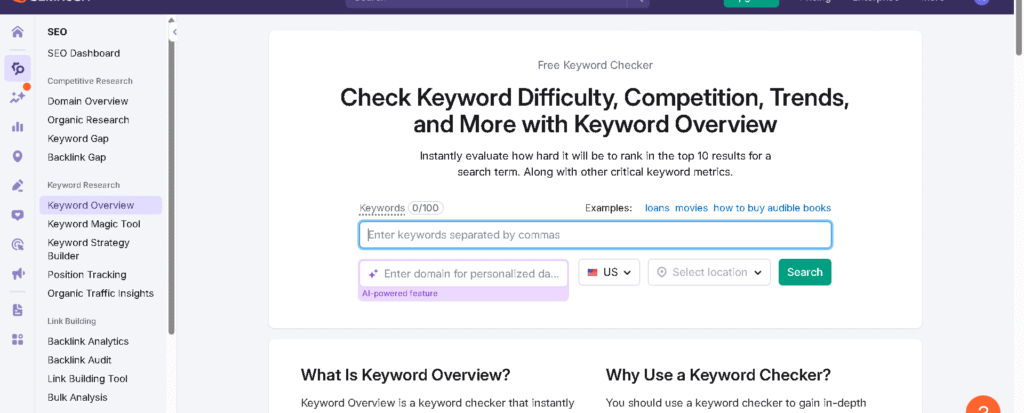
AI-powered keyword research accelerates the process of finding and grouping keywords according to intention and importance. Understanding how search patterns change is crucial to ensure that you are targeting the right keywords at this time.
Combine click-through and search volume estimates to determine the relevance of clients’ goals. Make use of AI to increase the size of seed lists, locate long-tail terms, and determine opportunities based on the difficulty.
This helps teams concentrate on terms that are relevant to the needs of current users. The keyword clustering process helps teams organize keywords into three groups based on intent such as transactional, informational and local.
It aligns landing pages as well as It also aligns landing pages and (answer engine optimization) fragments. Do not just focus on high volume, prioritize phrases that have clear pathways to conversion.
Export ranked lists of terms and tag each term with intention as well as the priority and the destination page. This will give you a practical map of metadata, content as well as internal link.
Competitor Analysis and SERP Insights
Analysis of competitors should go beyond metrics at the domain level and concentrate at SERP level signals. Look for the top-ranked pages of each target cluster, and then note what features they are using, such as featured fragments, People Also Ask, local packs, results from video.
Keep track of the structure of the page such as headlines, schema and estimated traffic share. Make use of AI to analyse a number of SERPs, and detect patterns. What title and descriptions get clicks, and which length of content is ranked, or in what format as well as where there are gaps in links.
Find out the authority of your competitors as well as backlink sources and trends in anchor-text. Choose whether to compete with higher quality content, develop links, or target words close to home.
Content Gap and Topical Completeness Mapping
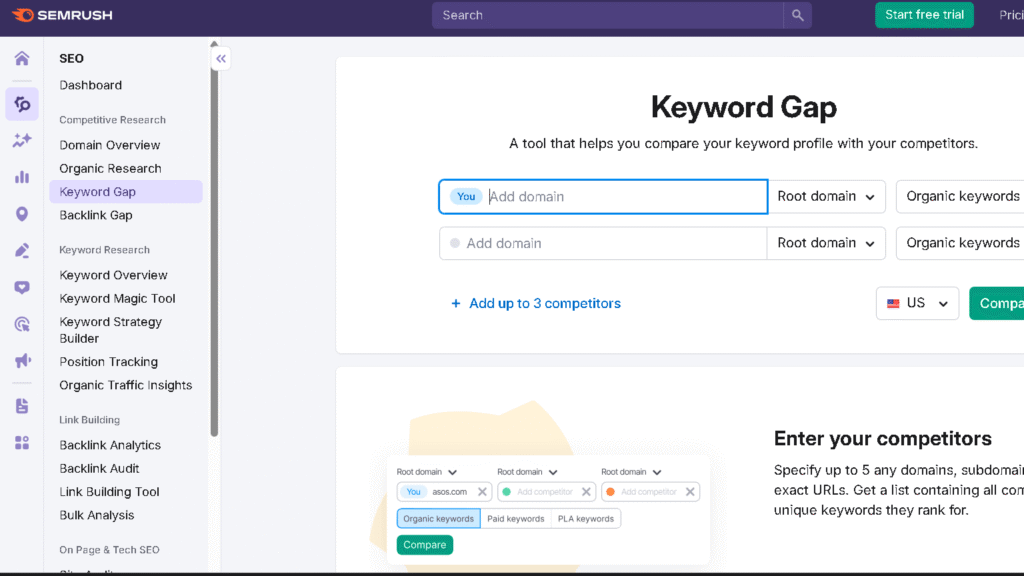
Gap analysis compared your site’s pages with top-ranked ones in terms of topics covered and the intent of users. AI scans the content of competitors to find FAQs, subtopics, as well as data points that your site hasn’t got.
Create a topical comprehensiveness score for each cluster to highlight the areas that are lacking: examples, depth visuals, or structured answers to AEO. Create a list of priorities for tasks updating pages that are subtopics that aren’t covered, design new hub pages for clusters, and include schemas for easy answers.
Utilize keyword clustering to identify the owners of content and timeframes. This will help you meet the SERP requirements and improves your chances of getting featured answers and snippets of content.
Brief Generation and Content Creation Workflows
Let’s talk about turning keywords research into useful briefs and quickly drafting content. The management of AI-assisted content involves making clear the parameters for the style and the depth.
The aim is to always provide the same quality, search-ready content that grows without sacrificing quality. Agents often connect their databases of research directly to the drafting tools, for example Make. This makes the transfer of data to prose seamless.
Automated SEO workflows reduce the tangle between the AI SEO strategy and the execution. More output, less back-and-forth.
AI Content Briefs and Outline Automation
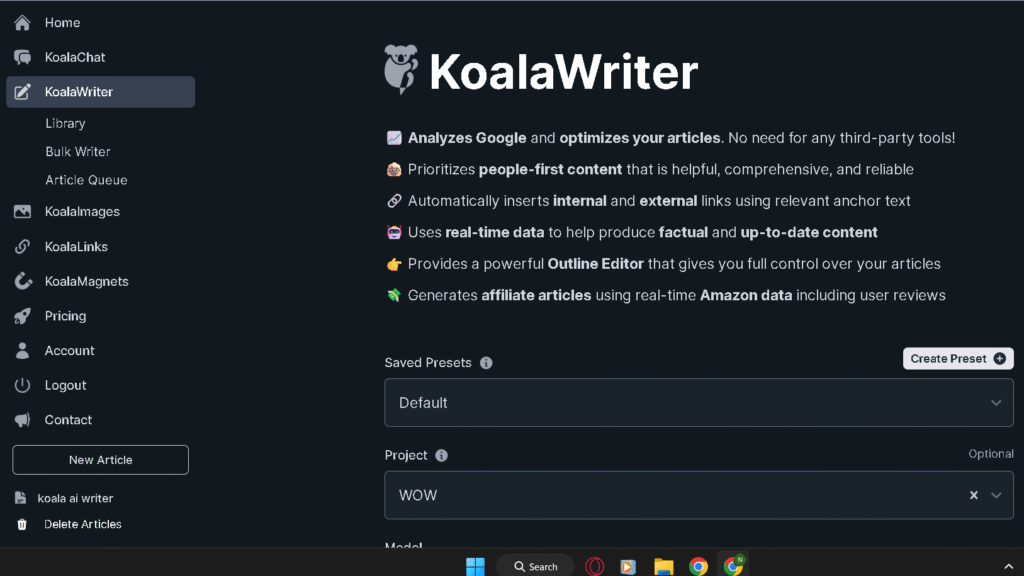
Feed a targeted keyword as well as a competitor list in the LLM (ChatGPT, Claude, Gemini) or a custom prompt library to create briefs on content. The brief should contain an H2/H3 outline, intention mapping, primary or secondary terms, word count per section, as well as several unique angles not available from the pages that rank highest.
Automated SERP analysis can extract top snippets of information, common headings, and gaps to be competitive with AI overviews. Create briefs that are repeatable to ensure editors receive consistent outputs.
Include metadata, such as suggestions for internal hyperlinks, CTAs for target and a short SEO title with a Meta description. Save briefs as templates or CMS field, so that writers and clients can read them. Automate checks to flag any the absence of E-E-A T signals and thin segments.
Content Production and AI-Assisted Drafting
AI-assisted drafting employs LLMs to produce a initial complete draft of the brief of the content. Combine tools (OpenAI models and the Claude) with an prompt to enforce structures introduction block, H2 blocks and recommended word counts, and a call-to action.
Writers can edit their drafts to include information, examples, as well as voice. Follow a “human-in-the-loop” rule: AI drafts can speed up the process by 50-80%, while human beings add expert quotations as well as local data, or research that is original.
Utilize version control and short task checklists to check for factual errors and add links, improve headings to include keywords, and perform check for readability. Integrate automated internal linking as well as meta tag suggestions to help save time.
Brand Voice Consistency and Fact-Checking
Make sure that the voice of your brand is consistent by creating prompt libraries and customized instructions for every client. Record tone guidelines (formal vs. casual, phrases that are banned) in a single style guide, and then incorporate them into LLM’s LLM prompts or Writer.com-like tools prior to generating content.
Check outputs frequently with checkpoints to check for tone drift. Be sure to specify fact-checking: use the source of claims, mention URLs, and utilize an online model, or other verification tools to verify the accuracy of dates and statistics.
Report AI-generated claims that do not have an original source. Include a final checkpoint where the editor reviews the source, data that is proprietary and copyright ownership prior to publishing.
On-Page Optimization and Internal Linking Automation
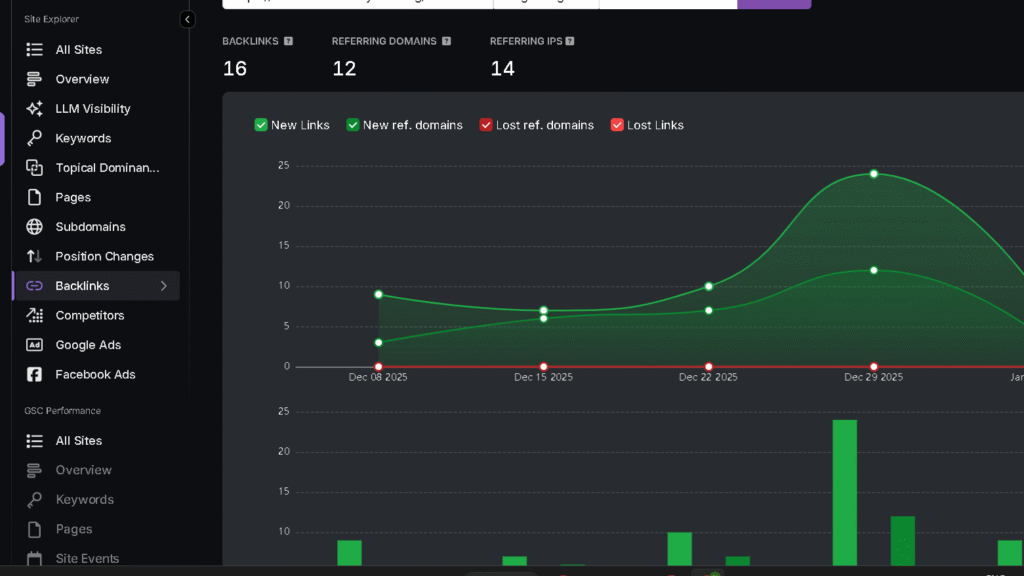
Agencies need to automate content scoring and links suggestions, meta-updates and schema integration to help pages rank higher and require lesser manual reviews. Make sure to focus on modifications that AI can reliably apply and flag up edge cases for editing by humans.
AI Content Optimization for Rankings
AI tools can analyse the keywords that are targeted such as SERP competitors, the content gaps on each page. They’ll provide an overall score for content, a lists of missing headings and suggested ranges of keyword density and readability improvements.
Set thresholds so that only pages that score less than a certain amount trigger automatic rewrites and editor alerts. Make use of templates for meta descriptions that are based on the page’s data as well as suggested keywords.
Automate updates whenever the score of your content improves or the rankings decrease for high top keywords. Always include a person-to-person review process to determine branding and tone prior to publishing.
Keep track of the results by linking scores to rankings actions, clicks, and CTR. Keep track of all automated changes so that you can check the results and make changes if things go wrong.
Internal Linking Suggestions and Implementation
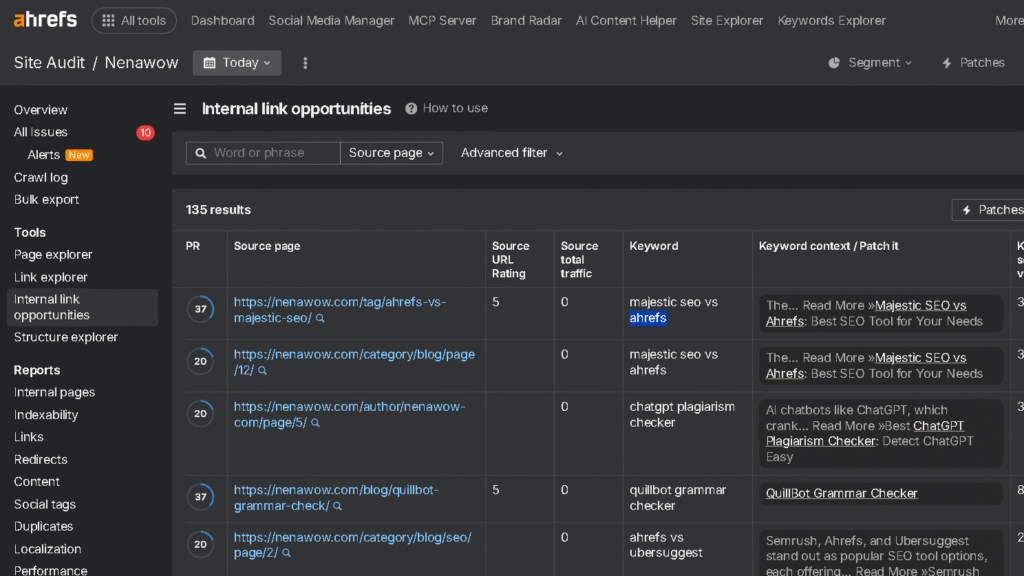
Automated linking identifies the most logical anchor text and destination pages according to topical clusters as well as traffic objectives. The system scores suggestions according to the topic’s importance, authority flow and click-through potential.
It could create an editor-friendly list of priorities or insert links automatically when templates and rules permit. Make sure to set rules to prevent excessive optimization: limit the number of hyperlinks per paragraph, use natural anchors and avoid websites that are not of high-quality or redirecting.
The process should identify pages that are not being used and then create linking tasks, or automatically insert contextual links on pages that have high authority. Track link changes and determine the their impact of crawling depth and authority and the ranking of linked keywords.
Keep a log of your approvals to help editors can see what was changed and the reason for it. It’s just good housekeeping.
Schema and Structured Data Automation
Automate schema injection in common kinds of content: Product, Article FAQ, Article, Breadcrumb and LocalBusiness. Connect CMS elements to properties of schema, so that structured data is filled with canonical value values like SKU price author, publication date.
Validate schema by running automated tests prior to pushing to production. Utilize rule-based triggers to add FAQ schema whenever the page contains questions and answers; or add the Product schemas to template templates.
Revalidate your schedule regularly to prevent the markup changes that occur after template or theme modifications. Check the Search Console and rich results impressions to ensure the health of schemas.
Make sure you have a rollback route and an initial validation step to avoid marking pages incorrectly. It is better to spot mistakes before they become live.
Technical SEO and Workflow Orchestration
This article explains how agencies can automate page-level repairs and link AI Agents to search engine optimization platforms. Incorporating live rank monitoring into your tech stack allows you to get immediate feedback on changes to your site.
This allows agencies to decide which patches to push, technical or and content updates. Sometimes, it’s unclear what will make a difference.
Technical Audit and Fix Automation
The agencies conduct technical audits on several websites that use crawlers as well as API data to discover issues such as weak links, slow pages and indexation mistakes. They use site crawls in conjunction with information taken from Google Search Console, Ahrefs, Semrush, or Moz API to prioritize fixes based on the traffic impact and depth of the crawl.
Automation handles the repetitive tasks: redirect rules meta tag updates the canonical tags and updates to the sitemap. Workflows are designed to push tasks that have been structured into tools such as n8n or Zapier, to create tickets or the draft CMS edits.
Changes to pages undergo a staging environment first, before they are transferred to production after a series of tests to ensure they are robots.txt as well as noindex rule. overcoming stress are the most important checkpoints:
- Indexation coverage and Crawl coverage (Search Console)
- Incomplete links, 4xx/5xx response (crawler and Ahrefs)
- Speed of pages and the Core Web Vitals (lab and field data)
- Problems with duplicate titles/metas and canonicalization
Automated reports can be used to monitor resolution, and to re-audit the deployment. Make sure that humans are aware for changes that are high risk. Sometimes you need someone to check.
AI Agents and APIs and integration with SEO Tools for Agencies

AI agents perform tasks such as making semantic cores, creating content or clustering the keywords. They make use of APIs provided by tools such as Semrush, Ahrefs, SE Ranking and Moz to get keyword data and backlink profiles.
This data is then used in content templates. Integrations are crucial. Connect Search Console and Google Analytics for real-time impacts.
Utilize OpenAI and similar designs to create first draft copy. Then, send the drafts to editors for a review.
Automate publishing by using CMS APIs (Drupal, WordPress). Tools such as n8n and Zapier allow you to push content and modify meta fields automatically.
Practical setting:
- Find keyword clusters by using Ahrefs and Semrush API.
- Make briefs with AI and include the metrics that were used in the initial brief.
- Make PRs and CMS drafts by using Git as well as CMS API. CMS API.
- Conduct post-publish checks, including indexing tags, sitemaps, and indexing.
Keep a clear record that detail API calls and decisions made by agents. This way you can show your team the reasons why agents choose the word or the title.
Security, SSO, and Version Control
Automating pipelines to protect them helps avoid leaks and bad deployments. Agencies employ SSO (SAML and OAuth) for dashboards and API consoles to ensure that only authorized users can make deployments.
Create roles-based access that limits who is able to create or modify redirect rules. Controlling versioning is important for both content and code.
Create templates, scripts and API workflows within Git. Utilize branch protections as well as version history.
If publishing via a CMS Keep a log of any edits or rollbacks within the CMS or via Git-backed deployments.
Security checklist:
- SSO to login to tools (Search Console, SE Ranking, internal dashboards).
- API keys are stored in a secret manager, and rotated frequently.
- Git branches plus PR reviews for automation scripts.
- Audit logs to look for actions that were published as well as AI-generated changes.
Measurement, Reporting, and Continuous Improvement
This section examines the ways agencies monitor the performance of keywords and content. It covers automated workflows, error rate, and scaling the velocity of content as well as refresh cycles.
Content Performance Tracking and Opportunity Scoring
Teams must evaluate the effectiveness of content with specific metrics: organic traffic impressions, clicks, average position and engagement metrics such as bounce and time on the page rate. Include conversion metrics to demonstrate the business impact.
Create monthly reports that highlight top and bottom performers – both Keyword clusters and pages. This way, teams can respond quickly. Opportunity scoring scores keywords and pages based on potential ROI.
Create a simple scorecard that includes rank difficulty, search volume as well as the current CTR as well as conversion rates. Note each as Medium, High or Low. You can also link it to an appropriate step like a fresh content refresh, or a technological solution.
Update scores on a weekly basis for live campaigns so that you can keep pace with the latest trends and gain time through automation.
Workflow Automation, Error Rates, and Guardrails

Automation should be able to take over routine things like keyword tagging the creation of content briefs and exports of reports. Check the errors rates of automated outputs, such as the percentage of briefs that require major editing–and try to limit that number to the threshold set (usually 10% to 20% during ramp-up).
Log every automation action so teams can audit failures quickly. Make sure to set up safeguards to protect against low-quality work: ask for an approval from a person before finalizing drafts as well as add factual checks for the technical aspects of content and make use of the checklist to ensure that keywords are covered and SEO on-page.
Automated anomaly detection may flag abrupt drops in the performance of keywords or engagement. Humans look over their work before making major adjustments.
Scaling Content Velocity and Refresh Operations
To speed up the pace of content creation to increase speed, divide work into phases that include AI-driven research, human writing and outlining as well as QA and publishing. A good strategy for refreshing content helps to prevent older assets from being lost out.
This helps keep the entire site current in the long run. Keep track of time savings at each stage to gauge effectiveness and determine how many more writers can manage.
Use metrics on content velocity and publish-to-rank time when reporting. The importance of updating old content is equally in publishing fresh pages.
For refresh operations to be prioritized, pages should be ranked by the opportunity score as well as decay (how speed performance drops). Plan refresh windows for quick revisions for meta and titles as well as more thorough rewrites of pages that are losing traffic.
Automate the tracking of status so that teams are aware of what pages are in queue and which are being edited, as well as active. Monitor the impact of refreshes on lift by comparing the engagement and keyword metrics prior to and after.
Frequently Asked Questions
This section tackles real questions about using AI in agency SEO workflows. It covers keyword research, site structure, technical checks, ecommerce traffic, long-term growth, and how intent shapes product pages.
How can AI enhance the keyword research process for SEO?
Starting fast, AI moves through search outcomes, competitor sites, and SERP elements to uncover connected phrases and themes. Not limited to surface terms, it detects core ideas along with supporting ones, noticing when user goals change over time. Grouping words by real needs comes next, shaped by how people actually look. What matters shows up clearly – no clutter, just patterns built from behavior.
Starting with a clear structure, AI builds content outlines that include main points, connected topics, and purpose tags. Because of this, writers spend energy where it matters: on making things helpful.
What are the best strategies for optimizing site architecture for search engines?
Organise your content into clear topic clusters that have intelligent internal links to establish the authority of your topic. Utilize descriptive URLs, a uniform classification system for tags and categories as well as keep your structure as simple so that the most important pages load with just several clicks.
Automated checks are performed to identify broken links, abandoned pages as well as duplicate content. Include schema wherever it is needed to aid search engines in understanding review, product and FAQ data.
How important is technical SEO in the context of AI-driven search algorithms?
Technical SEO is essential as AI-driven algorithms are based on precise signals. Poor crawling and slow page speeds and bad mobile layouts could stop rankings even if your content top-quality.
Install a continuous monitoring of your technical system using automated alerts to detect rapid regressions. Make corrections to Core Web Vitals, indexation issues and data structure errors to aid both users as well as machines.
What are the most effective ways to boost organic traffic for an ecommerce site?
Start with category and product page optimization, which includes unique descriptions, structured data and clear calls to actions. Increase the amount of content you have with buyer-oriented guides, comparison pages or FAQs that are matched to the buyer’s intent to purchase.
Utilize the internal links and hub page to provide credibility to the pages of your product. Consider A/B testing meta descriptions and titles, and remove pages with thin content that aren’t relevant.
How can SEO efforts influence the long-term sustainable growth of online businesses?
Consistent SEO provides a constant stream of organic traffic, without the need for constant advertising. As time passes optimization of content and a solid web design can boost the number of referrals, repeat visits and conversions.
Monitoring rankings, engagement and revenue generated by organic channels can help agencies determine what works. This creates a cumulative effect as websites get more trust and are visible.
What role does user intent play in optimizing ecommerce product and category pages?
User intent shapes both the format and depth of a page. If someone’s ready to buy, they want clear product info, pricing, shipping details, and reviews they can actually trust.
But when folks are just browsing or researching, they look for buying guides, how-tos, and comparison content that nudges them toward a product page.
It’s smart to match your titles, headings, and meta descriptions to what people are really after. These days, you can use AI to spot shifts in intent and tweak your pages so they stay relevant to what searchers want right now.


