

Modern SEO experts require tools that can solve real issues quickly. If you’re looking to create a winning SEO strategy, you’ll need to choose between special crawlers and the platforms that are all-in-one. Screaming Frog is your first choice for a thorough technical SEO audit and on-site fix and fixes, whereas Ahrefs excels at information on backlinks and keyword research. This Ahrefs vs Screaming Frog breakdown will help determine which gives you the best results.
Let’s discuss the power of crawling with link research, crawling power, and actual use cases. I’ll show you the process of how Screaming Frog uncovers site errors and also how Ahrefs detects growth opportunities.
These tools can help to ensure that visitors are on a speedy, functional site. No one wants an unresponsive, slow site.
Screaming Frog vs Ahrefs Comparison
| Category | Screaming Frog | Ahrefs |
|---|---|---|
| Primary Use Case | Technical audits that go deep including site migrations, finding crawl-related inconsistencies. | Research on keywords, analysis of backlinks and tracking competitors. |
| Best For | Technical SEOs, developers and heavy data-driven site troubleshooters. | Content marketers as well as link builders as well as SEO strategists. |
| Platform | Software for desktops locally (requires storage and RAM). | Cloud-based SaaS (accessible through a browser). |
| Core Strength | Control over crawling as well as JavaScript rendering. | Massive, historical index of global web information and backlinks. |
| Pricing | Fixed annual fee, low that allows unlimited locally crawls. | A monthly tiered subscription that is that is based on credits for usage. |
Screaming Frog vs Ahrefs: Key Differences and Use Cases
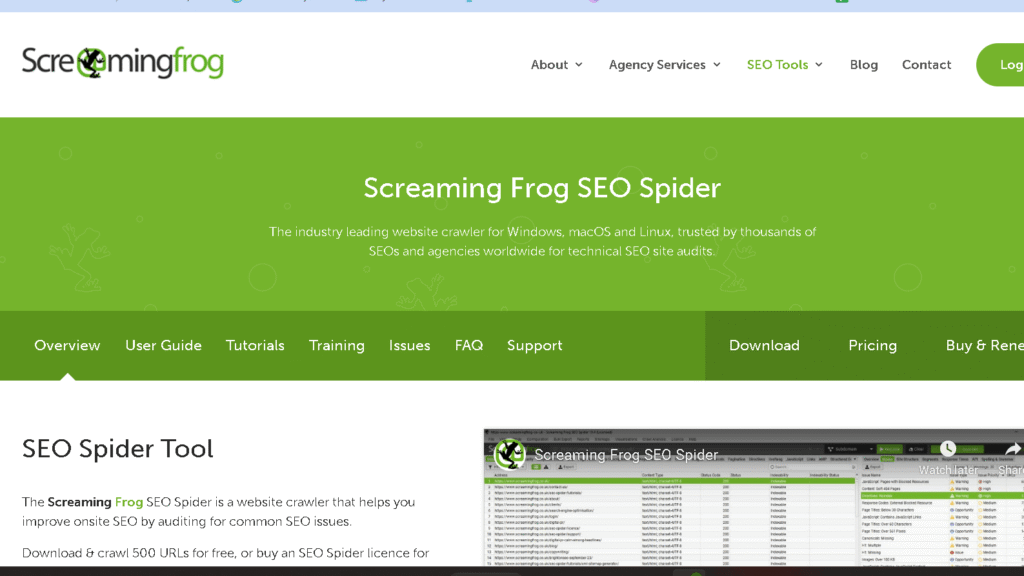
Screaming Frog is an online crawler designed to perform deep technical checks on site, as well as quick, flexible crawls.
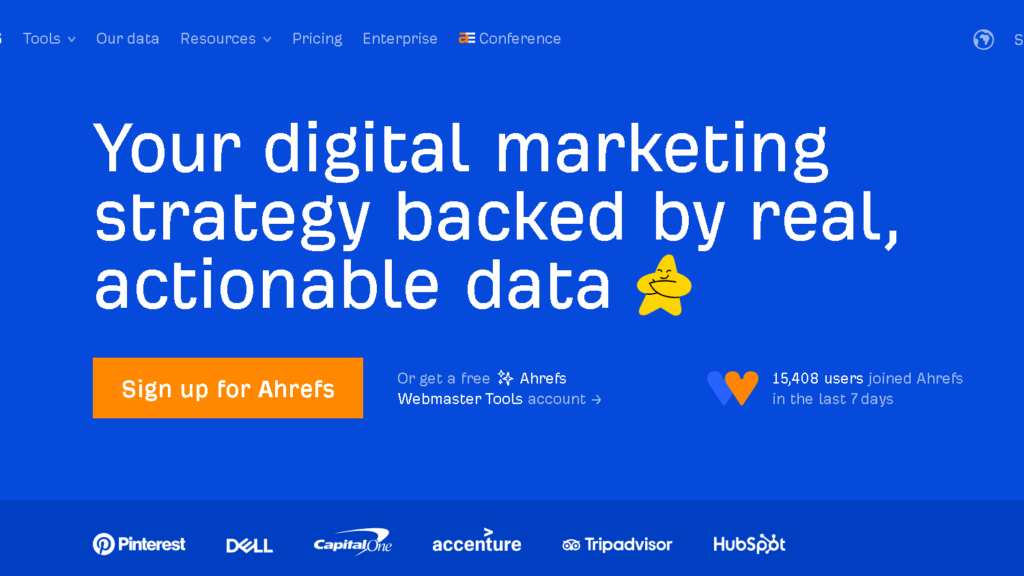
Ahrefs explores link building keywords, keyword information, as well as competitor research to find the market’s opportunities.
Advanced content gap analysis within Ahrefs shows you what topics which your competition is ranking for that you’ve overlooked.
This type of analysis allows you to see how your competitors are gaining in the race to be first.
Gaining these insights on competition can reveal the exact areas your competition has an advantage.
Both tools provide a thorough technological SEO audit, however they are able to be utilized in various places within your workflow.
Purpose and Workflow Comparison
The Screaming Frog SEO Spider runs as a desktop-based crawler that analyzes site structure, HTTP status codes, meta tags, redirects in addition to JavaScript rendering.
It gathers information at the page level in real-time, so it can detect broken hyperlinks, redirect chains and even orphan pages within just one crawl.
This is ideal for technical SEO corrections, auditing internal links, and creating XML sitemaps.
It’s fast, hands-on, and very detailed.
Ahrefs is a cloud-based platform that combines backlink analysis and link construction, rank tracking as well as its Site Explorer tool with an auditing tool for sites.
The dashboard provides an overview of organic growth as well as overall performance.
Teams utilize Ahrefs to conduct competitor analysis, preparing content and prioritizing SEO-related tasks according to the value of backlinks.
It’s more about the bigger picture strategy than crawling each technical element.
When to Use Screaming Frog vs Ahrefs
Start up Screaming Frog when you need an extensive audit of your SEO’s technical aspects. Think about solving redirect loops or assessing crawl depth or validating pages that use JavaScript.
It is connected to Google Analytics and Search Console and allows you to see the technical issues that affect the flow of traffic.
Explore Ahrefs to get backlink information, keyword suggestions and competitor analyses.
It’s great for locating pages that are earning links, spotting competitors keywords and monitoring the organic reach over time.
Actually, both tools function even better.
Then, run Screaming Frog for technical fixes Then, make use of Ahrefs to determine how these improvements affect rankings, backlinks and traffic.
Typical User Profiles
SEO technical and site migration experts are in love with Screaming Frog for its detail and control.
The desktop application is ideal for large, complex web crawls. You can export data in raw format for customized reports.
It’s ideal for audits, troubleshooting and accessibility check-ups.
Link builders, content marketers and digital marketers generally favor Ahrefs due to its link database keywords Explorer, and insights into competitors.
It is used to create content that focuses on real traffic, and also to monitor ranking and growth in links.
Small teams or single website owners frequently employ both Screaming Frog for regular tech audits and Ahrefs to continue backlinks and keywords research.
The agencies usually separate this into audit teams: auditors are responsible for technical crawls, and team members of the account run the strategies within Ahrefs.
Related reading: a thorough analysis of the crawling and backlink strength is available on Search Atlas.
Screaming Frog: The Technical SEO Powerhouse
“Screaming Frog is the gold standard for technical SEO audits. It provides the granular data needed to diagnose complex crawl issues that other tools simply miss.” — Search Engine Journal
Screaming Frog focuses on deep audits and hands-on tests that identify issues with crawls, redirect problems as well as incorrect or missing metadata.
It also delved into analysis of content such as duplicate page titles, as well as thin content.
It runs locally and gives the user control over crawl settings, and also pulls page-level data to provide quick fixes and sitemaps.
If you’re looking to do some work This is the tool for you.
Website Crawling and Technical Audits
The Screaming Frog SEO Spider searches websites similar to a search engine bot.
It downloads HTML it renders JavaScript and detects issues with both dynamic and static pages.
Achieving efficient crawling is the basis to any SEO audit.
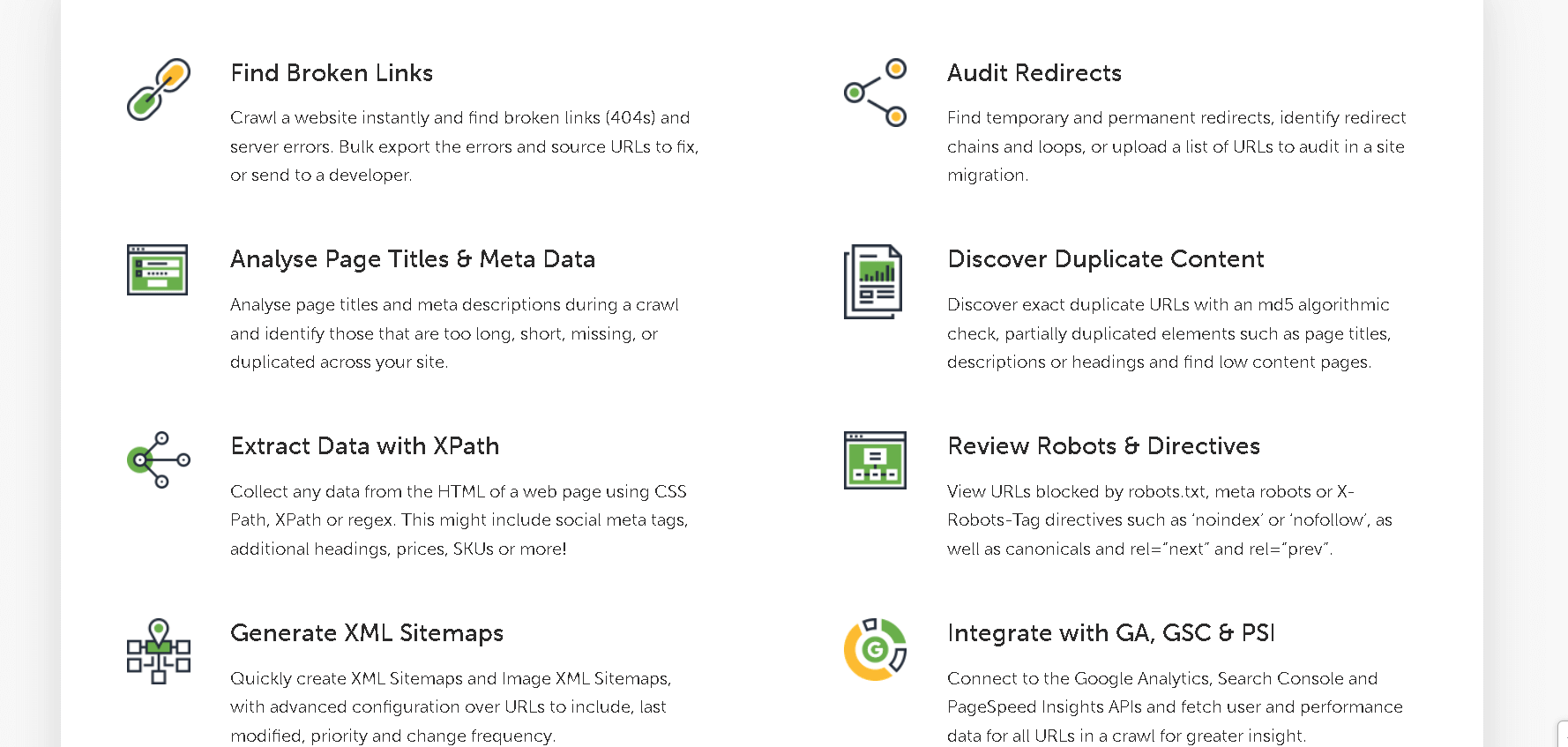
The crawl flags broken links and 4xx/5xx errors, as well as redirect chains – all of which could waste the budget of a crawl or harm users’ experience.
The tool can identify redundant content through a comparison of page body and metadata.
The management of duplicate content is vital to ensure that search engines can index the appropriate pages.
It lists pages with the same or close to identical titles, descriptions, as well as body text, so editors can tidy things up.
It also examines robots.txt along with meta-robots and robots.txt directives in order to identify which pages are prevented from indexing.
Monitoring robots.txt assists you in managing your crawl budget, and keep the bots of search engines focussed.
The page’s information is provided at the level of status codes as well as content type length, title length, meta description title of page headers, images and indexability.
The analysis of headers such as H1-H6 provides an accurate information the hierarchy of bots as well as humans.
This data can help you prioritize changes based on revenue or traffic impact, and is especially useful when you connect it to an analytics.
Verifying images for missing alt text or large files is a great way to speed up and increase accessibility.
Small details, big difference.
Crawl Configuration and Data Extraction
Screaming Frog allows you to modify crawl settings to test in real-world conditions.
You can alter crawl speed, user agent as well as depth and subfolders. You can also restrict particular URL types.
Do not follow or ignore nofollow links, conduct partial crawls of the staging websites, or pay attention to a specific area.
Advanced data extraction employs CSS, XPath, or regex to extract custom fields like product IDs, schema or hreflang tag.
XPath allows you to scrape specific data that is hidden within the HTML.
It is also possible to analyze internal linking patterns to understand how the link juice moves throughout your website.
With a variety of export options, you can export CSV or Excel documents for rapid triage.
If your computer has enough RAM, it can browse millions of URLs – just watch how your settings affect memory.
The free version allows you to crawl more than 500 URLs which is sufficient for smaller projects, or a trial run.
In fact, even the free version offers impressive reports on status codes as well as metadata.
The annual subscription fee removes this restriction and permits scheduled crawls.
It’s great to automate checks prior to launches or migrations.
Integrations and Reporting
Screaming Frog connects to Google Analytics and Search Console for traffic and performance information.
This way, you are able to concentrate on pages that have both technical issues as well as high-impressions or clicks.
It also supports Ahrefs API and PageSpeed Insights which means you can get speed and backlink data in your reports.
Making XML sitemaps is a breeze. Just add images, set the changefreq or change the prioritization as needed.
Custom sitemaps help your newest content get indexed fast.
Export and upload it to Search Console.
Reporting can be configured to support filters on view (like every 301 chain) as well as bulk exports to help track issues within spreadsheets or ticketing systems.
You receive HTTP Status maps as well as details of redirect paths and CSVs of metadata as well as internal hyperlinks.
These files make it simple to pass on improvements to developers.
Making these reports part of an audit prevents important issues from falling into the gaps.
Ahrefs: From Backlink Analysis to Content and Competitor Insights
“Ahrefs has built one of the most comprehensive backlink indexes in the world, making it the industry leader for link building and competitive intelligence.” — Backlinko
Ahrefs blends in-depth backlink data with Keyword research tools and content tools to assist SEOs discover ways to rank, correct problems on the page, and keep an in mind competitors.
It shows which sites earn links, which terms generate traffic, and what content gaps should you target.
Collecting information about competitive trends from Ahrefs allows you to see precisely the areas where your competition is beating.
Content gap analysis reveals the most valuable keywords that your website is not utilizing.
Backlink Index and Link Profile Tools
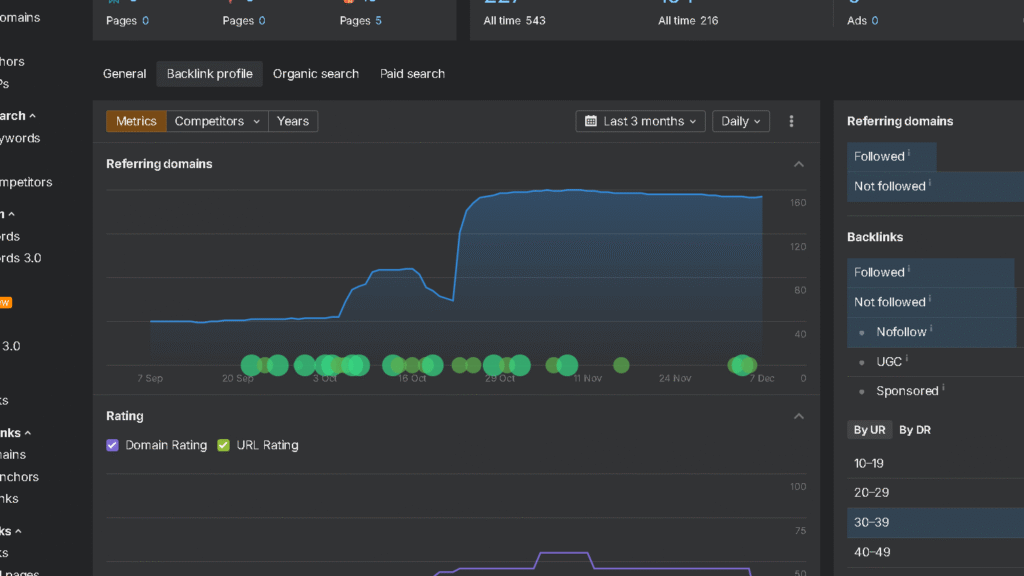
Ahrefs’ Site Explorer gives an in-depth look at the profile of your site’s backlinks and broken links – referring anchor text, domains, and the top-linked pages.
You can filter your profile by dofollow/nofollow domain rating or link type in order to keep your profile of backlinks clear.
Maintaining a strong backlink profile is an important component of SEO.
This allows you to prioritize outreach as well as recovery according to the credibility of the domains you are referring to.
The graph of links can help you identify harmful or poor-quality links you may wish to remove.
In-depth reports provide the exact URL from which they came, HTTP status, and the dates of the first and last visits to keep track of the changes over time.
Ahrefs an auditing tool for sites links backlink issues to website health by identifying broken referring pages or redirect links which squander link equity.
The ability to improve the performance of your website is crucial for the vitality of your website as well as long-term ranking.
The tool assigns a score based on the amount and severity of the issues.
This score will give you an instant snapshot of the site’s performance.
It also draws into PageSpeed Insights data to help you discover slow-loading pages.
This process allows you to regain lost link value and safeguard your ranking.
Keyword Research and Ranking Features

Keywords Explorer offers keywords suggestions, search volume as well as difficulty, CPC along with click metrics on each phrase.
Understanding the CPC can help you to understand the competition in organic and paid search.
It classifies keywords by the topic of their parent and lists the pages that rank for the keywords.
It is possible to compare the keywords across different the competition to identify more lucrative keywords.
Rank Tracker monitors keyword positions in time.
You can choose to set your the locations and devices you want to target and monitor movement via tags or landing pages.
It shows the pages that change when you make changes to the on-page content and allows you to decide which meta tags and content updates.
The interface also displays SERP features, including snippets of local packs, and shopping. So you can pick which features you want to concentrate your attention.
Alarms to detect sudden drop will help to spot issues quickly.
There are many people who don’t like surprises when it comes to their rankings.
Content Gap and Competitive Analysis
Content Explorer and the Content Gap tool will show you topics that you’re competing with however you’re not.
Utilize Content Explorer to discover what content is most in demand within your area and improve your content strategy.
This results in content briefs that are tied to actual traffic opportunities.
Competitive insight includes organic traffic estimates, the most popular pages, as well as backlink sources of content from competitors.
You can borrow efficient title tags. You can also determine the meta tags that get the most clicks, and then prioritize updates based on the potential for traffic.
Ahrefs also connects the content gap results to SEO tests on the page and internal link suggestions.
This makes it simpler to make new pages available with strong meta tags, improve older posts, and increase link equity to improve visibility.
Monitor your health status while you’re at it, so you don’t get technical issues.
Pricing, Limitations, and Best-For Scenarios
Both tools come with paid and free versions with various limitations.
One is built to be used for general Search Engine Optimization and Content Research. The other is built is for technical crawling, deep crawling, as well as site audits.
Free vs Paid Versions and Pricing Models
| Pricing Plan | Screaming Frog | Ahrefs |
|---|---|---|
| Free Tier | Search more than 500 websites using basic features. | Access is limited through Ahrefs Webmaster Tools. |
| Paid Entry Level | $ 259 for a year of unlimited crawling. | ~$99 per month (Lite plan). |
| Mid-to-High Tiers | Non-A (Fixed year-long license). | From $199 to $999+ per month for premium features. |
| Best For | Technical audits that are thorough and extensive, as well as extracting bulk information. | Tracking of ongoing keywords, backlinks and trackers for competitors. |
Ahrefs is a cloud-based SaaS model, with different monthly plans. You can sign up for a free account, but the paid plans increase by adding more projects, tracking keywords or crawl credits.
Paying allows access to tools such as Site Audit, Keywords Explorer, Site Explorer, and the historical data. If you choose to go with the higher-end plans, you’ll get more crawl credits as well as API access. This can be very useful for optimizing content and tracking backlinks in time.
Screaming Frog is a little different. You can download the free version on your desktop for more than 500 URLs or purchase an annual subscription (about $259/year) to crawl unlimited.
With the paid-for license, you are able to crawl as many sites as you can manage on your PC, as well as make use of JavaScript rendering and connect to Google Analytics or Search Console to conduct more thorough inspections. The price remains the same year after year, regardless of how many keywords or websites you are working with. It’s a good option for those who need a wide range of crawling options.
Ahrefs pricing is ideal for teams that require cloud-based SEO platform however, Screaming Frog’s annual cost is perfect to technical SEOs who wish to conduct many local crawls.
Scalability and Workflow Considerations
Ahrefs is designed for multi-site monitoring as well as team collaboration. As it’s cloud-based software that means you don’t have to worry about your computer’s resources when managing large backup databases, or when scheduling audits.
This is especially important when you’re conducting audits that require outside market information. Agents that track a lot of clients, or those who focus on long-term rank tracking as well as workflows around content, are likely to discover Ahrefs more efficient.
Screaming Frog adapts to the hardware you have. You should give it enough storage space and memory, and it’ll crawl through massive websites without even a shiver.
It’s great for deep crawls of websites as well as redirect audits and looking at the way JavaScript can affect your site’s pages. The majority of workflows require exporting CSVs or API links to add additional information and mixing the outcomes in conjunction with Google Analytics to decide what you need to correct first.
If you’re conducting one-site inspections, or troubleshooting hands-on Screaming Frog provides you with greater control over how you move.
Who Should Use Each Tool?
Ahrefs is an ideal tool for teams in marketing as well as content strategists SEO professionals who need all-in-one software for keyword study, analysis of backlinks rank tracking, and website audits all in one spot.
It’s particularly useful to work on ongoing content as well as competitor research and monitoring SEO health across a variety of domains.
Screaming Frog is more for engineers, technical SEOs and consultants who truly require a deeper dive into web crawling and audits of websites. If you’re looking for broken hyperlinks, redirect chains, duplicate content or crawl-depth issues it’s difficult to beat.
In reality, many teams use each of these: Ahrefs for strategy and backlink-related stuff, Screaming Frog for hands-on crawling and technical audits. If you’re looking for a more detailed analysis of the pricing, take a look at this Ahrefs plan overview as well as the Screaming Frog license page.
Frequently Asked Questions
Let’s look at some of the specific differences in Screaming Frog as well as Ahrefs. We’ll examine on-page fix as well as backlink coverage, audit strengths and keyword research, how simple they are for newbies and what you can expect in return.
What do I make Screaming Frog enhance on-page SEO as compared to Ahrefs?
Screaming Frog crawls URLs locally and identifies the absence of duplicate meta titles and meta descriptions pages, page titles as well as H1 tags. It will show exact URLs including status numbers, which means it’s simple to detect and rectify problems.
It is also able to render JavaScript that is, it can find links or content which only appear when scripts are running. This is very useful for developers trying to solve difficult issues. In addition, you can check metadata across a multitude of pages at once.
For backlink analysis How do Ahrefs or the Screaming Frog differ?
Ahrefs maintains a massive live backlink index, and displays the domains you are referring to anchor text, anchor text, as well as historical link information. It’s a great tool for locating missing backlinks as well as new link opportunities.
Screaming Frog doesn’t build its own backlink database. If you’re interested in backlink data you’ll have to connect to an API like Ahrefs or get information out of Google Search Console during a crawl. Its primary goal is to track the status of links on the site, not tracking backlinks from external sources.
What are the advantages of Screaming Frog in technical SEO audits?
Screaming Frog is great for crawls with a deep depth. It detects redirect chain, loops as well as server errors on your website.
Row-level exports are provided for every URL, which makes it easier for engineers to make changes in large quantities. It also allows JavaScript rendering and custom extraction. It also integrates with Google Analytics and Search Console to prioritize fixes based upon actual data from users. The options for crawl configuration are extremely adaptable.
Which one has better search features for keyword research, Ahrefs or the Screaming Frog?
Ahrefs is the top choice when it comes to keyword research. It provides you with keyword discovery as well as search volume, difficulty and SERP features.
It is possible to create keyword lists as well as grouping terms to monitor the rankings over time. Screaming Frog doesn’t have its own database for keyword research. You need to import lists, or utilize APIs from other sources to connect keywords to the pages you crawl.
What is the user interface of Screaming Frog for SEO beginners against Ahrefs?
Ahrefs has a website interface that includes tutorials, interactive reports as well as guided tools. People who are new to Ahrefs usually find it simpler to learn.
Dashboards as well as the UI allow backlink and keyword tasks fairly simple for those who aren’t tech-savvy. Screaming Frog runs as desktop software that requires users to set the crawl options and filters, therefore it’s not without an initial learning curve. However, once you get grasp of it, the technical teams appreciate the power it offers them.
To implement a complete SEO plan, which is more cost-effective? Ahrefs or Screaming Frog?
Screaming Frog offers an annual license for one year at a reasonable cost for those who are primarily interested in technical crawling. It also has a free version for smaller sites. This is actually a nice bonus when you only need basic auditing.
Ahrefs is more expensive however, you’ll can get everything at a glance: keyword research, backlink information, rank tracking, site audits and more.
Screaming Frog: Best for technical audits, site migrations, and granular crawl data. Local software with a fixed annual fee. Ahrefs: Best for backlink profiles, keyword discovery, and competitor tracking. Cloud-based SaaS with monthly subscription tiers. The Verdict: Use Screaming Frog for “under the hood” fixes and Ahrefs for overall search visibility and growth strategy.
Modern SEO professionals require tools to solve the real issues quickly. If you’re looking to implement a successful SEO method, you’ll have to choose between specific crawlers and the platforms that are all-in-one. Screaming Frog is the best choice for a thorough technical SEO audit as well as site-specific fixes and Ahrefs excels at information on backlinks and keyword research. This comparison breaks down the strengths of each one to help you determine which one is best suited to your work flow.
Let’s look at the power of crawling with link research, crawling power, and actual use cases. I’ll explain the process of how Screaming Frog uncovers site errors and also how Ahrefs recognizes potential growth opportunities.
These tools can help to ensure that visitors are on a speedy, functional web page. Nobody wants to see an unresponsive, slow site.
Screaming Frog vs Ahrefs Comparison
| Category | Screaming Frog | Ahrefs |
|---|---|---|
| Primary Use Case | Technical audits that go deep including site migrations, finding crawl-related errors. | Research on keywords, analysis of backlinks and tracker tracking. |
| Best For | Developers, SEOs and site troubleshooters who rely on data. | Content marketers Link builders, content marketers, as well as SEO strategists. |
| Platform | Desktop software for local use (requires storage and RAM). | Cloud-based SaaS (accessible through a browser). |
| Core Strength | The ability to control crawling, as well JavaScript rendering. | Huge index of historical web information and backlinks. |
| Pricing | Fixed annual cost, low to use unlimited crawls locally. | Monthly subscriptions with a tiered monthly structure dependent on the usage credits. |
Screaming Frog vs Ahrefs: Key Differences and Use Cases
Screaming Frog is a web crawler that is designed for thorough technical checks on site, as well as quick, flexible crawls.
Ahrefs explores link building keywords, keyword information, as well as competitor research to find the market’s opportunities.
Advanced analysis of gaps in content in Ahrefs uncovers topics that you’re competing with for the same topics you’ve overlooked.
This type of analysis allows you to see how your competitors are gaining in the race to be first.
The competitive analysis you gather can reveal the exact areas your competition has an advantage.
Both tools can be used to conduct a sound tech SEO audit, however, they are able to be utilized in various places within your workflow.
Purpose and Workflow Comparison
The Screaming Frog SEO Spider runs as a desktop crawler. It examines the structure of websites, HTTP status codes, meta tags, redirects, as well as JavaScript rendering.
It gathers information at the page level in real-time, so you can identify broken redirect chains, links, and pages that are orphaned in just one crawl.
This is perfect to fix technical SEO issues as well as auditing internal links and for generating XML sitemaps.
It’s easy, hands-on and very detailed.
Ahrefs is a cloud-based platform that integrates backlink analysis and link building. It also has a rank tracker, as well as its site explorer, which includes a tool to audit websites.
The dashboard offers an overview of organic growth as well as overall performance.
Teams utilize Ahrefs to conduct competitor study, preparing the content strategy or prioritizing SEO tasks by the value of backlinks.
It’s more about the bigger picture strategy, and less about sifting through each technical element.
When to Use Screaming Frog vs Ahrefs
Launch Screaming Frog when you need an in-depth audit of your technical SEO. You might need to think about solving redirect loops or assessing your crawl’s level, and confirming JavaScript-rendered sites.
It’s connected to Google Analytics and Search Console to let you know the technical issues that affect your website’s traffic.
Get into Ahrefs for keywords, backlinks and competitor analyses.
It’s ideal for locating pages which are generating links, spotting competitor keywords and tracking the organic reach over time.
Actually, both tools function more effectively in conjunction.
Use the Screaming Frog for technical fixes and then utilize Ahrefs to assess how the changes affect backlinks, rankings and traffic.
Typical User Profiles
SEO technical and migration experts are in love with Screaming Frog for its detail and control.
The desktop application is ideal for large, complex site crawls. It can export your raw data to create customized reports.
It’s ideal for audits, troubleshooting and accessibility check-ups.
Link builders, content marketers and digital marketing experts generally favor Ahrefs because of its database on backlinks, keywords exploration, and competitor information.
It is used to create content that focuses on real traffic, and also to monitor ranking and growth in links.
Smaller teams or owners of websites often utilize both Screaming Frog to conduct periodic inspections of technical issues, Ahrefs as a continuous backlinking and SEO research.
The agencies usually separate this into audit teams: auditors manage technical crawls, while team members of the account run strategies in Ahrefs.
Related reading: a thorough review of the backlink and crawling strengths can be found at Search Atlas.
Screaming Frog: The Technical SEO Powerhouse
Screaming Frog focuses on deep audits and hands-on tests that identify crawl problems, redirect issues as well as incorrect or missing metadata.
It also explores the analysis of content, such as title pages that are duplicates and thin content.
It runs locally, giving you control over settings for crawls and also pulls data from the page level to provide quick fixes and sitemaps.
If you’re looking for an efficient tool to conduct SEO audits that are technical then this is the ideal option.
Website Crawling and Technical Audits
SEO Screaming Frog Spider searches websites as a bot for search engines.
It retrieves HTML it renders JavaScript and also reveals problems with both dynamic and static pages.
Effective site crawling is the core for any SEO audit.
The crawl detects broken links, 4xx/5xx errors, as well as redirect chains, which can eat up budget for crawls or negatively impact the user experience.
The tool can identify duplicative content, by looking at page body and metadata.
Controlling duplicate content is essential to ensure that search engines can index the appropriate pages.
It lists pages that have identical or similar titles, descriptions, as well as body text, so editors can tidy things up.
It also looks at robots.txt along with meta-robots and robots.txt directives in order to determine which pages are being blocked from indexing.
Monitoring robots.txt can help you control your budget for crawls and helps keep the bots of search engines focussed.
The page’s information is provided at the level of status codes as well as content type length, title length meta description pages, page titles images, headers, and indexability.
The analysis of headers such as H1-H6 provides the clear information the hierarchy of bots and humans.
This information helps you decide on improvements based on revenue or traffic impact, and is especially useful when you connect it to an analytics.
Verifying images for missing alt text or large files is a simple method to speed up and increase accessibility.
These tiny details often affect the effectiveness of a search.
Crawl Configuration and Data Extraction
Screaming Frog lets you adjust crawl settings to test in real-world conditions:
- Control crawl speeds, user agent depth, subfolders, and user-agent.
- Do not exclude certain URL patterns or concentrate on particular sections.
- Follow/ignore settings can be toggled for links that are not followed.
- Customize data extraction with CSS, XPath, or regex for IDs and schema.
XPath allows you to scrape specific information hidden in the HTML.
It is also possible to analyze the internal linking patterns to determine the flow of link juice through your site.
The flexibility of export options means that you can generate CSV or Excel documents for rapid triage.
If your system has enough RAM, it can surf through millions of URLs, just be sure to check the settings for memory.
The free version allows you to crawl as many as 500 URLs which is sufficient for smaller projects or even a trial run.
In fact, even the bare-bones version provides strong reports on status codes as well as metadata.
The annual subscription fee removes this restriction and permits scheduled crawls.
This is great for automatizing checks prior to launch or during migrations.
Integrations and Reporting
Screaming Frog connects to Google Analytics and Search Console for traffic and performance information.
So, you can concentrate on pages that have both technical issues as well as high-impressions or clicks.
- Connects to Ahrefs API and PageSpeed Insights to provide backlink and speed information.
- Creates XML sitemaps using custom images and priority settings.
- Filters views for 301 chains as well as metadata.
- Bulk exports information for developer hand-offs and ticketing systems.
Reporting can be configured to support views that are filtered (like every 301 chains) in addition to bulk exports to help track issues within spreadsheets or ticketing systems.
You will receive HTTP status maps and details of redirect paths as well as CSVs of metadata as well as internal hyperlinks.
These files make it simple to pass on changes to developers.
Utilizing these reports as a part of an audit prevents crucial issues from slipping between the cracks.
Ahrefs: From Backlink Analysis to Content and Competitor Insights
Ahrefs integrates detailed backlink information with keywords research and content tools to assist SEOs identify rankings opportunities, address issues on-page, and keep an the eye on competition.
It reveals which pages are rewarded with hyperlinks, which keywords generate traffic, and what gaps in content you should be targeting.
The collection of competitive information within Ahrefs will help you understand the areas where your competition is taking advantage of.
Content gap analysis can reveal important keywords your site may be not utilizing.
Backlink Index and Link Profile Tools
Ahrefs’ Site Explorer leverages an enormous index of more than 35 trillion backlinks as well as 19 billion keywords to offer you an exhaustive view of the profile of a site’s links:
- Monitors domains that refer to you as well as anchor text and the top-linked pages.
- Filters are filtered by dofollow/nofollow status, as well as the Domain Rating (DR).
- Visualizes graphs of links to identify harmful or poor-quality links.
- The system tracks HTTP status and the first and last dates for the history of backlinks.
Ahrefs an auditing tool for sites links backlink issues to website health by identifying broken redirection pages and chains that degrade link equity.
The ability to improve the performance of your website is crucial to ensure the web’s vitality as well as long-term ranking.
The tool assigns a score based on the amount and severity of problems.
This score will give you an overview of your website’s performance.
It also draws into PageSpeed Insights data to help you identify slow-loading websites.
This process helps you recover lost link value and safeguard your ranking.
Keyword Research and Ranking Features
- It provides search volume, keyword difficulty, as well as CPC metrics.
- Keywords are grouped by topic to find content clusters.
- Monitors keywords’ positions in specific devices and locations.
- Analyzes SERP features, such as the featured snippets, local packs and other snippets.
It lets you know which pages are moved when you change the content on your page and allows you to prioritize meta tags and content updates.
The interface also lists SERP features, including snippets of local packs, shopping–so you can pick which features you’d like to focus your efforts.
Alarms to detect sudden drop will help to spot issues quickly.
It is important to detect any issues early enough to prevent unexpected rankings from turning into significant problems.
Content Gap and Competitive Analysis
Content Explorer and the Content Gap tool highlight topics that which your competition is ranked for, but you don’t.
Make use of Content Explorer to identify some of the top-rated content within your area and refine your content marketing strategy.
This is why content briefs are linked to real traffic opportunities.
Competitive analysis includes organic traffic estimates, the most popular pages, as well as backlink sources for content that is similar to yours.
You can borrow relevant title tags. You can also determine the meta tags that get the most views, and prioritize changes based on potential traffic.
Ahrefs also connects gaps in content to on-page SEO tests and internal link suggestions.
This makes it simpler to create new pages using strong meta tags, improve old posts and spread link equity to increase visibility.
Be aware of your health status while you’re at it, so the new content doesn’t cause technical problems.
Pricing, Limitations, and Best-For Scenarios
Both tools offer both paid and free options, with various limitations.
One is designed to support broad search engine optimization and research on content. The other is built is designed for a more technical crawling as well as site audits.
Free vs Paid Versions and Pricing Models
| Pricing Plan | Screaming Frog | Ahrefs |
|---|---|---|
| Free Tier | Explore as many as 500 URLs, using basic features. | Access to limited access through Ahrefs Webmaster Tools. |
| Paid Entry Level | $259 annually for unlimited crawling. | ~$99 per month (Lite plan). |
| Mid-to-High Tiers | “N/A” (Fixed annually renewed license). | Between $199 and $999plus per month for premium features. |
| Best For | Technical audits that are thorough and extensive, as well as extracting bulk information. | Tracking of ongoing keywords, backlinks and trackers of competitors. |
Ahrefs is a cloud-based SaaS model, with different monthly plans. You can sign up for a free account, while the paid plans increase by adding more projects, tracked keywords or crawl credits.
Paying for a subscription unlocks tools such as Site Audit, Keywords Explorer, Site Explorer, and the historical data. If you choose to go with the more expensive plans, you’ll get more crawl credits as well as API access. This can be very useful to optimize content and track backlinks in time.
Screaming Frog operates in a different way. It is possible to use the free desktop version to browse as many as 500 URLs or you can purchase a paid license (about $259 per year) to browse millions of URLs. It can often handle more than 5 million pages with a top-quality machine.
The tool can extract more than 100 technical information by URL. This tool is delivering detailed information in large audits.
Ahrefs pricing is ideal for teams that need an online SEO platform and ScreamingFrog’s annual fee is perfect to technical SEOs who wish to conduct many local crawls.
Scalability and Workflow Considerations
Ahrefs is designed for multi-site monitoring and collaboration. As it’s cloud-based software it doesn’t need to worry about your system’s resources when dealing with large backup databases, or when scheduling audits.
This is especially important when you’re conducting audits that require outside market information. Agents that track a lot of clients, or those who focus on tracking rank over time and workflows for content, may discover Ahrefs more useful.
Screaming Frog grows with your system. You should give it enough storage space and memory, and it’ll crawl huge sites without even a shiver.
It’s fantastic for deep crawls of websites as well as redirect audits and looking at the way JavaScript can affect your site’s pages. The majority of workflows require exporting CSVs and API links to add additional information and mixing outcomes together with Google Analytics to decide what you need to correct first.
If you’re performing one-page audits, or troubleshooting hands-on Screaming Frog provides you with greater control over how you’ll crawl.
Who Should Use Each Tool?
Ahrefs is a perfect choice for teams working on marketing as well as content strategists and SEO professionals who need all-in-one tools for keyword study, analysis of backlinks rank tracking, as well as site audits in one location.
It’s particularly useful for content development for competitor research, as well as monitoring SEO health across a variety of domains.
Screaming Frog is more for tech SEOs, developers, and consultants who require a deeper dive into web crawling and audits of websites. If you’re looking for broken links, redirect chains duplicate content or crawl-depth issues it’s difficult to beat.
In the real world there are many teams that use both Ahrefs for high-level strategy and analysis of backlinks and Screaming Frog for deep technical crawling. If you’re looking for a more detailed analysis of the pricing, look up this Ahrefs plan overview, as well as Screaming Frog’s license page. Screaming Frog license page.
Frequently Asked Questions
Let’s discuss some specific differences among Screaming Frog as well as Ahrefs. We’ll discuss on-page fixes as well as backlink coverage, audit strengths and keyword research, how simple they are for newbies and what you can expect in return.
What do I make Screaming Frog enhance on-page SEO in comparison to Ahrefs?
Screaming Frog crawls URLs locally and flags up the absence of duplicate meta titles Meta descriptions, meta titles page titles, as well as H1 tags. You’ll find exact URL paths that have status code, which means it’s simple to detect and correct problems.
It is also able to render JavaScript this means that it can find links or content that are only visible after the scripts have run. This is very useful for developers trying to solve difficult issues. Additionally, you can review meta data across many pages simultaneously.
When it comes to backlink analysis How do Ahrefs or the Screaming Frog differ?
Ahrefs maintains a massive live backlink index that shows your referring domains anchor text, anchor text, as well as historical link information. It’s extremely useful in uncovering lost backlinks and identifying new link opportunities.
Screaming Frog doesn’t build its own backlink database. If you’re interested in backlink data you’ll have to connect to an API such as Ahrefs or get information out of Google Search Console during a crawl. Its primary focus is the status of links on a site, not the tracking of external backlinks.
What are the advantages of Screaming Frog in technical SEO audits?
Screaming Frog is great for deep crawls. It detects redirect loops, redirect chains and server errors on your site.
Row-level exports are available for each URL, making it simple for engineers to repair things in large quantities. It also allows JavaScript rendering custom extraction and integrates to Google Analytics and Search Console to prioritize fixes based on actual data from users. The options for crawl configuration are extremely adaptable.
Which one of these tools has more search features for keyword research, Ahrefs or the Screaming Frog?
Ahrefs is the best choice when it comes to keyword research. It provides you with keyword discovery and volume of searches, as well as difficulty and SERP functions.
Keyword lists can be created as well as grouping terms to keep track of the rankings over time. Screaming Frog doesn’t have its own database for keyword research. You need to import lists, or use APIs from an external source to connect keywords to crawled pages.
What is the user interface of Screaming Frog for SEO beginners as compared to Ahrefs?
Ahrefs provides a web-based interface that includes tutorials, interactive reports, and a variety of guided tools. For beginners, it is usually simpler to learn.
Its dashboards, as well as UI makes backlinks and keyword tasks fairly simple for those who aren’t tech-savvy. Screaming Frog runs as desktop software that requires users to set options for crawling and filtering There’s a learning curve. However, once you get knack of it, tech teams are enthralled by the power it offers them.
To implement a complete SEO plan, which one is more cost-effective? Ahrefs or the Screaming Frog?
Screaming Frog offers one year of license for an affordable cost particularly if you’re mostly looking for technical crawling. It also has a free version for smaller websites, which is a great bonus for those who just require the basics to conduct quick audits.
Ahrefs costs more than other options, but you can get everything all in one location: keyword research, backlink data rank monitoring, and site audits. For those who want everything in one place and don’t want to manage several software, Ahrefs might actually save some money over the long term even with the greater monthly cost.


