

You want an AI SEO strategy that actually moves the needle, not just another checklist. Understanding how artificial intelligence fits into search engine optimization is the first step toward better performance.
Modern content strategies have to be able to change how the various systems process data. Combining on-page optimization and machine learning data helps keep your content on the cutting edge.
This is a crucial element for any SEO efforts in the present. By implementing an AI-powered SEO framework can help to stay ahead of algorithm changes.
AI in SEO helps brands automate data analysis that is complex and focus on growth that is high-impact. Create a concise base of information, match the content to actual buyer intentions and get third-party citations, so that AI systems can recommend your brand.
This method helps you to capture traditional search traffic, as well as AI-driven recommendations. The steps following demonstrate how to examine the exact instructions your users use and create the intent-map content clusters.
Also, you’ll learn to optimize websites to aid in AI retrieval as well as measure the AI-specific signals. These are tasks that you can complete in weeks, not months, to increase the visibility of your site across search engines as well as AI assistants.
Key Takeaways
- Examine the prompts that your users use and keep track of AI mentions.
- Create content that is mapped according to clearly define the intention and optimize the content for AI parsing.
- Earn In addition, analyze AI-specific metrics in order to improve.
Understanding the AI SEO Landscape
AI is now guiding how search engines interpret queries, assess content and provide responses. The growth of AI that is generative AI has altered the way that people interact with online information.
To ensure that search engines maintain high rankings, companies must define intent, utilize structured data and fine tune the content to be able to generate AI-generated summary. The importance of semantics is a way to ensure that the machines are able to understand the context of your content.
Artificial intelligence processes queries by looking for deep connections between entities. AI models such as RankBrain, BERT, and MUM assist engines in understanding their meanings, not just words.
How AI is Changing Search Engine Optimization

RankBrain remains an integral part of Google’s algorithmic core that interprets the meaning behind confusing searches. By studying how people interact with search outcomes, RankBrain assists the algorithm to improve rankings over time.
The systems analyze contextual information, synonyms and intentions of users to find the most relevant solutions. Content must cover subjects in depth and have a clearly defined structures.
The inclusion of related terms helps AI recognize the relevance of topics. AI helps speed the process of testing and optimizing content.
Teams can conduct semantic analysis to discover gaps in subtopics, identify the pages that require updates and develop outline that is in line with the search intent. This raises the bar in terms of quality and meeting E-E-A-T (expertise and experience, authority and reliability) requirements.
Information technology and the overall user experience are of greater importance than ever. Data that is structured, speedy loading time, as well as clear page markings aid AI systems find and display content into features like short snippets of content as well as AI Overviews.
A speedy and efficient website is the top priority for both users and crawlers. An effective on-page SEO strategy ensures that bots as well as users are able to navigate your website easily.
Sites that mix an excellent technical SEO and depth of topic gain more recognition in the AI-driven results.
The Shift to AI Search and AI Overviews
Google AI Overviews and related AI search features provide a summary of results and answer questions directly. These overviews draw content from multiple websites to provide simple responses.
Google AI Overviews are becoming increasingly dominant at the top results for complicated inquiries. Websites that provide clear information and well-organized overviews are likely to receive more mentioned.
Incorporating authoritative citations can further increase your chances of getting. To be included within Google AI Overviews, your content should provide clear, well-structured and precise answers.
Answer Engine Optimization (AEO) is becoming vital. AEO that is effective requires thorough understanding of how users formulate their queries.
Implementing answering engine optimization to your workflow will keep your brand prominent in conversationsal results. This method aligns your website with the needs of voice search and generative discoveries.
Marketers need to create content that is directly answering the most frequently asked questions. With clear headings and brief blocks that scannable, aids AI analyse your information.
The inclusion of schema markup as well as authoritative references increase the likelihood that for an AI overview will utilize the page as a reference. AEO strategies can help brands outshine voice search results by giving clear answers.
This requires a improved content strategy that is based on clear and reliable information. AI search also affects the behavior of clicks.
Users can find their answers via the results page, reducing the number of clicks on websites. The result makes secondary goals – like driving conversions from people who click.
Monitoring visibility for visibility AI Summary reports and optimizing to feature answers is crucial right now.
Traditional SEO Vs. AI-Driven SEO
A traditional SEO focused on backlinks, keywords in addition to on-page indicators. It awarded pages that met the search terms and also gathered links from other websites.
AI-driven SEO includes semantic coverage, intent mapping and signals to improve machine-readability. The health of technical and backlinks is vital.
However, AI-driven SEO requires pages that demonstrate authority across related terms, and to show genuine knowledge and expertise. Pages must meet the demands of the user in full, not merely concentrate on one keyword.
SEO Workflows are also changing. Teams are now combining human judgment together with AI tools for creating outline designs as well as SERP monitoring as well as predictive priority.
Human writers guarantee precision, nuance, and E-E A-T. AI handles writing, clustering as well as performance-related alerts. Together, they improve your strategy for content to ensure it’s ranked both in traditional SERPs as well as the newest AI-driven features.
Setting Business Goals and Technical Foundations
Teams must establish specific business goals and ensure that the website is able to provide AI tools with accurate quick data. The goals should be tied to user actions or revenue while the technical aspects should be streamlined to reduce friction that affects rankings or conversions. It is also important to improve crawlability.
Defining Measurable SEO Objectives
They choose specific outcomes that are tied to business benefits and not vague goals. For instance increasing organic traffic to pages for products by 30% over six months, increase the conversion rate for natural visitors to 12 percent in the course of a quarter or get 10 keywords targeted for inclusion in the first 10 SERP positions in four months.
Each goal has an initial base (current organic session, convert rates and keyword positions) as well as a deadline. They assign the ownership and linkage of each goal to a downstream measure such as revenue per visitor registrations, signups and lead volumes.
Rankings are useful because higher ranks should bring more conversions and clicks. They also avoid reliance on one metric and ensure that goals are aligned to business goals.
Selecting Relevant Metrics for AI SEO
They keep track of a few sets of metrics that demonstrate the value and discovery. Principal metrics include organic sessions keywords rankings for the most important keywords, and organic conversion rates.
Secondary metrics include click-through rate (CTR) bounce rates, the average duration of session and sessions per page. They also track the technical indicators that impact SEO and AI choices: Page load speeds, speed of pages meta tag accuracy, Core Web Vitals, and domain authority developments.
Meta tags that are high-quality help artificial intelligence systems classify information on pages effectively. Monitoring user experience metrics will ensure that users are engaged once they have visited the website.
To build AI models They keep their data up-to-date and consistent, with weekly keyword rank checks daily crawl errors and monthly audits of content performance. They keep an ownership list of metrics so that teams know who will report each KPI.
Aligning the Technical SEO of AI requirements
They begin by conducting the SEO audit to identify crawl index, speed, and crawl issues. Solutions concentrate on reducing load time, improving the speed of pages, and eliminating duplicate content.
They make use of predictive analytics to determine the technical solutions that will bring the most significant results. Enhancing the structure of data and tightening internal linking will ensure that AI tools receive precise signals.
These actions also improve the user experience overall by making the site more user-friendly to navigate. A fast loading page is vital to keep both the users and the search engine bots satisfied.
They clean up a sitemap, and also ensure that robots.txt or canonical tags remain in order. They protect data pipelines for AI accessible log files and search console exports analytics data, as well as structured content sources.
They enforce privacy protections for data when feeding behavioral or user information to their models. In addition, they evaluate the impact of changes post-change–rankings, organic traffic and bounce rates–to prove that their work has improved the visibility and conversion.
AI-Powered Keyword Research and Search Intent Mapping
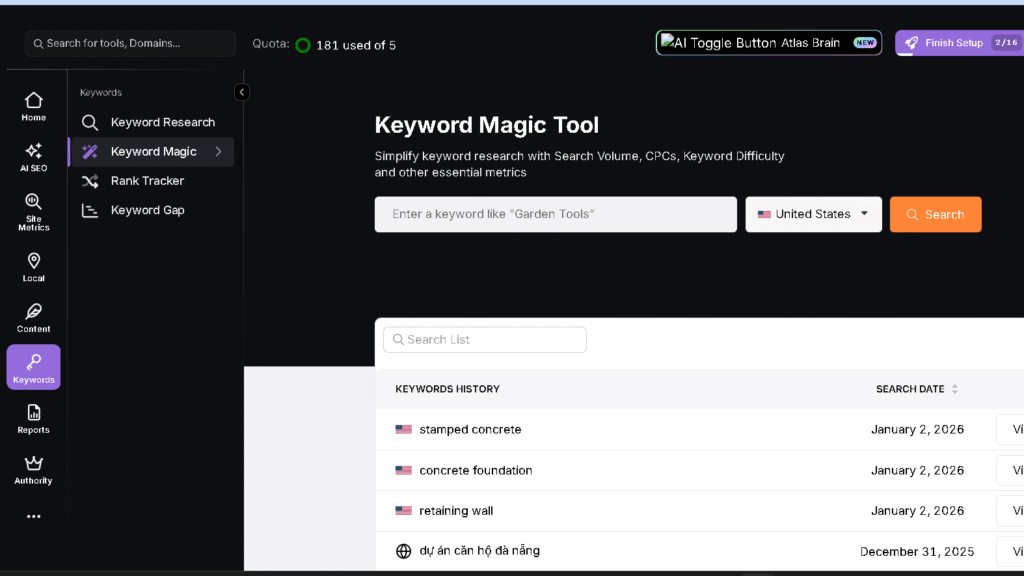
This section will explain how you can make use of AI tools to categorize keywords, align them with users’ needs, identify which content ranks as well as identify long-tail opportunities. The focus is on the practical steps, tools and signals that you can take action on immediately.
Leveraging AI Tools for Advanced Keyword Clustering
AI categorizes keywords according to their meanings, not only by common words. Then feed a master list of keywords to an AI or specific AI SEO instrument (for instance the workflow built using ChatGPT with Ahrefs SEMrush export).
Request the AI to provide clusters with an pillar subject, 3-5 articles to support it as well as a brief internal link strategy. Concentrate on semantic relevance as well as NLP signals to combine terms, synonyms and related entities.
Contemporary AI writing tools are able to create semantic variations that human beings might not be aware of. This improves the semantic relevancy and aids the model in understanding the full scope of the subject.
Verify clusters against search volume and difficulty using SEO tools. Make sure that clusters are practical. A primary pillar should address an extensive user requirement while supporting posts should focus on specific needs and concerns.
Export the results in CSV or JSON to allow the content team can create the topic cluster calendar.
Mapping Keywords to Search Intent
AI recognizes intent with high accuracy when it is given clear labels: commercial, informational, transactional navigational. Include the keywords in the list and request a column that has intent one-sentence reasoning and suggested content types (e.g. guide or comparison page, product page).
Find out if there are any intent-related mismatches on existing pages for intent mismatches. If a page for a product ranks on the list of “how to” queries, modify the focus or develop an entirely new guide.
Utilize signals such as “how,” “vs,” “price,” or brand names to indicate intent automatically. Use AI intent-based labels along with SERP feature analysis using tools such as SEMrush and Ahrefs to find out what content formats are winning the snippet, video or shopping carousel, for each intention.
Identifying Ranking Potential and Content Opportunities
AI can identify opportunities by combining relevance intent fit, and gap data. Start by exporting competitor keywords and feed them into the AI system, and request gaps that are ranked according to the business alignment and the estimated effort.
Make an AI include a basic scorecard which includes traffic volume (tool-validated) and rankings difficulty (from search engine optimization tools) as well as strategic value to your business. Make use of predictive analytics to anticipate traffic increase from ranking shifts.
This can help you enhance your strategy for content by identifying high-value opportunities earlier. Prioritize low-risk clusters with high-relevance and then on gaps that competitors have which are related to your offerings.
Create a task list with two columns that includes easy victories (short update of content or external hyperlinks) as well as high-effort tasks (new page pillars, new research). Review the list monthly and update with new information.
Long-Tail Keyword Search using AI
AI excels at creating long-tail keywords which lack historical volumes but demonstrate clear intent of the user. The model can be triggered to generate questions-based, comparison and problem-solving variants that are specific to the user’s persona location, as well as the purchase stage.
Include common misspellings, as well as specific forum languages to address untapped queries. Making sure you are optimized for voice searches and the ability to generate AI responses is increasingly crucial since more and more users depend on digital assistants to provide quick responses.
Verify these long-tail concepts by looking through SERPs, and then determining whether similar queries yield excerpts from featured content, “People also ask,” or results from niche communities. Choose topics for long-tail that align with your conversion goals (signups demonstrations, purchase, etc.).
Make use of them for FAQ pages, mini-guides and other content to feed topics clusters in order to improve overall rankings for keywords.
Content Strategy, Optimization, and Structured Data for AI SEO
This section will help you think about topics, create AI-ready content, and then add structured data so that generative engines can identify and reference an organization’s name. It is focused on tactical work including the creation of content clusters and entity-rich written schema markup and a refresh frequency dependent on performance.
Building Topic Clusters and Content Calendars
They arrange linked pages into clusters. A single page for a pillar product or use-case and 6-12 additional pages to aid in comparisons, templates, as well as JTBD queries. Pillars focus on high-value, bottom of the funnel keywords such as “best [category] software” or “[competitor] alternatives.”
Supporting pieces focus on long-tail as well as use-case questions that feed into the pillar with the strategic interlinking. Develop an editorial calendar that plans one pillar every quarter, and monthly support posts.
Keep track of keywords that are targeted, their intended purpose (compare buy, compare) as well as the writer assigned to you publishing date, hyperlinks to cornerstone assets. Utilize tools such as Clearscope as well as MarketMuse to determine the amount of coverage for a particular topic and fill gaps in the entity prior to publishing.
A well-designed content optimization strategy and solid content strategy will ensure that each page has the depth needed by the most modern algorithms. Content optimization should be focused on addressing the user’s needs with quality information.
Creating AI-Optimized and Entity-Rich Content
Write for machines as well as humans. Use clear headings, concise sentences and simple value declarations.
Mention product and brand names directly, so that engines can classify the content. Begin with meta tags that correspond to the buyer’s intent.
Meta titles are the main signals to users or search engines. Use your primary keyword to provide a clear answer.
Meta tags assist search engines understand the goal of every page. Utilize the H2 or H3 headers in order to emphasize product names, uses and the results.
This structure can be used for traditional search engines and the generative engines. Beware of fluff and include tables, lists, and precise numbers whenever possible.
Label templates and step-by-step instructions to ensure LLMs are able to quote them. Make sure you use formatting that makes your information available to all crawlers.
If you are using AI-generated content, make sure you verify the information. Be sure that the tone is appropriate for your brand.
Include original ideas to improve rankings. Human editors should look for firsthand experiences as well as accuracy and E-E-A.T.
You can run your content through semantic tools to discover synonyms for your entity. By adding related terms, you can create the depth of topical content for generative engines.
Implementing Schema Markup and Structured Data
Include schema to highlight the review pages, products FAQs, how-to instructions. Use JSON-LD to highlight BreadcrumbList, SoftwareApplication, Product FAQPage, Review, and BreadcrumbList schemas as needed.
Include crucial fields such as name description, brand aggregateRating offers, and url. Software, add ApplicationCategory and operatingSystem.
Validate your markup using Google’s Rich Results Test and Schema.org validator. Make sure your content is in sync with the content that is displayed on your page.
Use labeled and structured headers as well as data blocks to ensure that crawlers and LLMs can find the relevant information. Monitor schema changes in your content calendar, and then audit every couple of months.
Continuous Content Updates and Refreshes
Update pages that aren’t getting enough views, rankings or are outdated with information about products. Prioritize bottom-of-the-funnel and compare pages first.
Each time you update make sure to add updated data including screenshots, pricing as well as recent quotes from customers. Note any changes you make and the reason behind every change.
Re-run entity and semantic checks following edits. Republish the page with a visible “last updated” date.
Promote refreshed pages by leveraging paid mentions as well as off-site citations in order to increase brand awareness for LLMs.
On-Page Optimization, User Experience, and Internal Linking
This segment focuses on tuning your pages’ content, enhancing the user experience and linking pages to ensure AI and the search engine are aware of your priority. A strong SEO on the page is the foundation of digital success.
It’s all about clear messages that are measurable, clear signals UX adjustments and targeted internal links. Let’s take a look at the basics.
Optimizing On-Page Elements for AI Interpretation
Utilize clear, well-structured signals to ensure that AI systems can understand what you want. Start by using precise Meta tags as well as H1s to correspond to the requirements of users.
Make sure that every element is aligned with semantic signals. Meta descriptions should summarize the contents of the page in a short sentence.
Meta tags can boost rates of click-through and assist crawlers. Make sure your tags are in line with current trends in the field of search.
Make sure you use the same keywords throughout your metatags to increase the authority of your content. These signals can help algorithms like RankBrain determine the relevance of your content.
Make use of schema (JSON-LD) for your products such as FAQs, articles and reviews. Schema provides information about machines, such as the price of the product, its author name, publication date, and ratings.
Use alt text for images, and include captions to important images. AI models can read these texts to comprehend the context of your content.
Make paragraphs as short as possible. Use tables, bullet lists, as well as headings, to divide up the text.
Naturally include related keywords and avoid keyword stuffing. For WordPress you can use an SEO plugin to manage tags, canonical URLs and output from schema.
Enhancing User Experience and Personalization
Improve and measure real-time user-generated signals. Monitor page load time and bounce rate, speed, and the length of time on the page.
Convert images into smaller sizes by enabling caching and make use of an CDN to accelerate the process. Faster pages translate to happier users and higher ranking.
Consistent speed is a huge issue for search algorithms. A better user experience typically leads to more conversions and less abandonment.
Personalization engines may show personalised content or suggest recommendations according to the user’s the behavior of. You can try simple personalization such as “related posts” or “recommended products” by using browsing histories or categories.
Try different variations using A/B tests to determine what is effective. Design to be clear Clear CTAs with readable fonts and clear menus.
Utilize breadcrumbs to display the hierarchy of pages. Make sure important pages are within three clicks from the homepage.
Monitor results in the analytics. Re-evaluate the parts that cause a rise in the bounce rate or reduce engagement.
Building Effective Internal Links
Create links that help users and transfer authority to pages that are prioritized. Make use of a pillar-and cluster model linking from pillar pages to clusters, and then back.
This suggests authority on the topic and increases the link equity. Make sure the anchor text you use is descriptive and corresponds to the topic of the page you are linking to.
Avoid using generic anchors such as “click here” unless you need to. Incorporate contextual links into body copy first. They are more valuable and have greater value.
Limit hyperlinks to those that provide value, usually 5-15 in a blog article. Check links frequently using tools such as Screaming Frog as well as Search Console to find orphaned and broken links.
Repair broken links by updating URLs or redirects 301. In WordPress you can use editors or plugins to edit the links and control navigation without clogging templates.
AI SEO Tools, Automation, and Workflow Integration
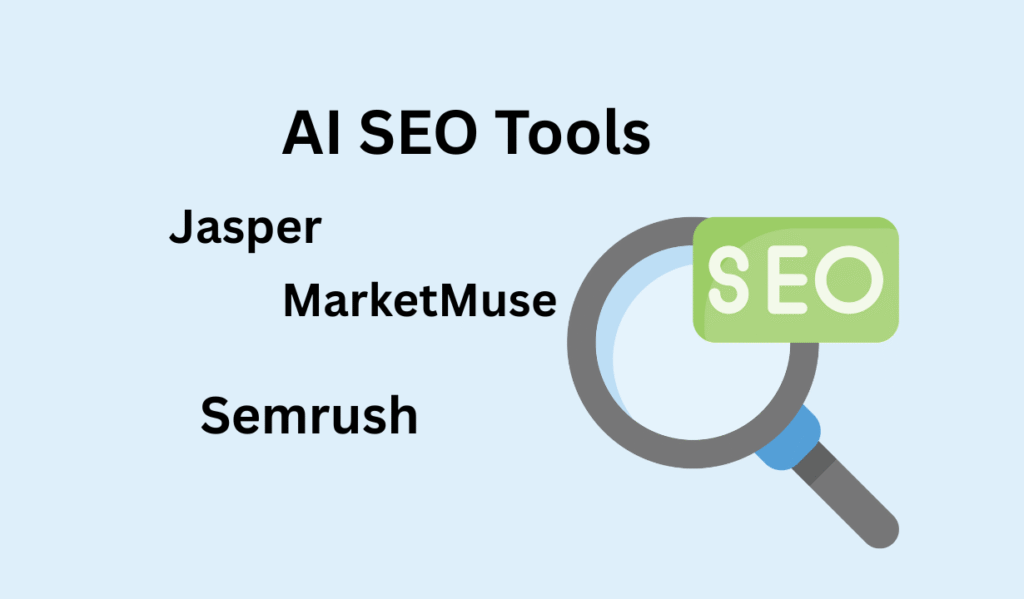
This section focuses on selecting tools for setting up automation as well as scaling workflows. The goal is to Get rid of tasks and concentrate more on strategies.
It’s all about the fit of your tool automated, reporting, and making sure that your systems are able to grow with your website.
Selecting and Integrating AI SEO Tools
Find tools that meet your requirements Keyword research Content creation, analysis of backlinks or crawling. Make use of Semrush or Ahrefs for backlinks and keywords.
Explore AI content assistants such as ChatGPT or Koala AI for ideas and drafts However, always run your results via an SEO tool, and then an editor who is human. Use AI-powered crawlers for continuous checking for traffic and website errors.
Integrate with APIs or single sign-on. Securely store keys and determine the tools that handle what.
Create a simple list of cost, tool, role and data outputs, so the team is aware of who owns what. Make it simple.
Automating SEO Tasks and Reporting
Automate repetitive tasks first check rank index status, rank checks tag audits, as well as internally generated link report reports. Utilize regular API callbacks to retrieve rank and backlink information.
Send content briefs from ChatGPT/Jasper in the CMS draft queue using tags for keywords or intent as well as headings. Create dashboards that automatically refresh and alert you to any abnormalities.
For example, set up an alert when a page decreases by thirty percent on organic traffic. Automate weekly reports highlighting the top performers, pages in need of refresh, and the growth of backlinks.
Always make sure to have a human review procedure for any content published or major changes.
Ensuring Scalability in AI SEO Workflows
Create workflows using modular components to allow you to scale them without starting from scratch. Use queues to complete tasks such as the crawl job, brief descriptions of content and outreach list.
Centrally store outputs to avoid the mistake for duplicate work. Monitor API usage and set up the quota alerts in order to avoid throttling.
Retrain templates and prompts as models evolve. Include anomaly detection to detect shifts in the early stages and identify escalation paths so that a person can react promptly.
Building Authority, Earning Citations, and Link Acquisition in the AI Era
Brands must build trust by combining backlinks, mentions that are not linked, and strong reference sites. Concentrate on authority in the area and turn mentions into links to increase AI exposure and search engine optimization.
Link Building and Backlink Profile Strategy
Prioritize high-quality backlinks over chasing volume. Modern link building involves obtaining backlinks from websites that are closely linked to yours.
This increases your authority within the subject area. Find hyperlinks from educational, government and trade publications first.
These domains serve as powerful signal of authority for AI the citations and featured snippets. Create a balanced profile of backlinks by utilizing Tier 1 hyperlinks and other industry-specific outlets.
Utilize online PR as well as original studies to get editorial hyperlinks. Monitor backlink sources, anchor text diversification, and citation rates each month to detect suspicious patterns.
Convert links from unlinked mentions via outreach. Incorporate contextual links within long-form sources, not only in directories or footers.
Gaining Citations and Authority in AI Engines
Move beyond the traditional backlinks metric and get AI-friendly more citations. AI engines are prone to repeat relevant and pertinent mentions in trustworthy sources and constant signalling from entities.
Improve the frequency of citations by being included in industry roundups and giving expert comments. This is crucial for answers to voice searches.
Original data that other people can cite establishes your reputation in the eyes of others as an expert. Keep track of the which AI platforms have cited you, and which queries trigger the citations.
Utilize the data to fill in gaps and create content that answers exactly the same questions as competitors are mentioned. Try to create a natural, semantic link context; AI cares more about the context and relevancy than just an unstructured link count.
Keep track of AI mentions and the rate of citation to track the progress.
Leveraging Case Studies and Credible Sources
Create original cases and reports based on data to establish yourself as a reliable source for AI references. Case studies should demonstrate real results, including concrete numbers, and encourage second coverage.
Each requires a specific methodology with dates, dates, and hyperlinks so that AI as well as human editors can confirm assertions. Distribute findings to trade media as well as newsletters for greater exposure.
Make sure that the brand’s name and data points identical across all citations in order to enhance credibility. When citing others, prioritize credible sources–peer-reviewed research or official stats boost trust with AI systems.
Measuring AI SEO Performance and Iterating Strategy
Monitor where your content is shown on AI answers. Examine the movement of your rankings versus benchmarks and adjust pages to be featured in short snippets of content and direct responses.
Concentrate on signals such as AI citations and click-throughs and SERP shifts and any changes to ranking.
Tracking AI Visibility and Engine Coverage
Monitor the Answer engines as well as AI platforms are referring to your site. Use tools that record AI references, model names and the query context.
Note coverage by platform and then map the queries on pages. Maintain a simple list for each platform, showing the URL of each platform, the query’s the first date of citation, frequency of citation and snippets of text.
This makes it easier for trends to identify. Monitor share-of-voice on AI overviews and compare it with the traditional SERP visibility.
Check the presence of structured data and freshness. AI systems are prone to clearly marked information and the most recent content.
Set alerts for sudden decreases in citations or impressions. It’s typically a sign of a quality or indexing problem that requires fixing.
Benchmarking and Analyzing Ranking Gains
Set benchmarks before big changes. Record current rankings, snippets of ownership, organic traffic as well as conversion and performance metrics.
Make use of these reports as a baseline to judge the effectiveness of AI-driven SEO. You can run monthly or weekly rank reports that show the position, potential for ranking, and traffic.
Segment content by intent and type to ensure that the team can see what gains are most important. Include AI visibility in order to link ranking changes to AI Citations.
Analyze lift using cohorts Compare pages that are optimized for AI answers to the control pages. Examine CTR and conversion rate fluctuations not just the places.
Utilize predictive analytics to determine what trends will fuel the long-term growth. Look for correlations between higher semantic relevancy and rankings gains.
Test A/B testing whenever possible. Make changes to one variable — structure, headings or schema, and measure the effect on SERP rank as well as AI frequency of citations.
Optimizing for AI Answers and Featured Snippets
Begin by creating concise facts at the top of pages to provide straight answers and highlighted short snippets. Utilize short paragraphs, tables, and bullet lists. Answer engines appreciate clear and concise short snippets.
Use clear question-and-answer headings that correspond to what people actually look for. Incorporate structured data such as FAQ QAPage, QAPage or HowTo and mark information by using schema property values, to let machines scan your information more easily.
Concentrate on content that has significant ranking potential. Pages already ranking on page one or with good impressions can be converted into the schema and short answer blocks into featured snippets of content.
Be aware of the results and modify content if needed. If you find that an AI response is incorrect, correct your language and include solid reference sources. Lose a snippet? Review your headings and make sure to update the answer block that you’re trying to target.
Frequently Asked Questions
This section tackles practical answers for using AI in SEO. You’ll find info on prompt patterns, data sources, review gates, measurable actions, and tools for testing and scaling.
What are the best practices for incorporating AI into my SEO strategy?
The first step is to determine the places where AI can speed things up and where humans are required to accept outputs. Make use of AI to conduct research as well as the generation of drafts as well as routine checks. Humans manage accuracy, voice and compliance.
Create clear KPIs – think converts, qualified leads or revenue, not only traffic. Create prompt templates, one source of data that is reliable, and maintain audit logs so teams can track the changes.
Include guardrails, such as redacting sensitive information, limit the use of risky prompts and demand experts to sign off on high-risk pages. Conduct regular model drift and quality audits, too.
How can I ensure my content marketing is optimized for AI and SEO?
Begin by defining the business objectives and limitations, such as goals for revenue or compliance requirements. Connect rank data, analytics, CRM and site structure to one source of data.
Create workflows for research short, brief, draft examine, post, and measure. Automate repeatable tasks, such as the creation of outline clusters and on-page check-ups. Make sure humans are involved in areas where accuracy is paramount.
Choose the right tools for the task, and then create dashboards that link the changes in content to revenue conversions. Begin with one cluster of content and test it and then increase the number of clusters from there.
How do I use AI to improve my website’s technical SEO?
Automate monitoring using daily crawl digests of your web, Core Web Vitals reports, and log-file analysis. Let AI prioritize issues based on the estimated impact and then provide precise, practical actions.
Use AI generate JSON-LD in a large scale by analyzing your page’s structure then transmit the schema to Quality Assurance. Make use of AI to detect pages with no content as well as redirect chains, and crawler waste in URL parameters. It will then recommend fixes for engineers.
Make alerts brief and include screenshots, as well as steps to reproduce the issue so that teams can be able to move quickly. Plan audits now and later to detect models drifting or other issues.
What are the most effective ways to use AI for keyword research in SEO?
Utilize AI to classify keywords into clusters based on intent and/or entities, not only by volume. Create intent labels, target entities and recommend a canonical URL for every cluster.
Explore multiple sources, including SERP tools, People Also Ask, Reddit YouTube to discover questions with long tails and formats. Find ideas based on volume of traffic, difficulty in ranking and the business value.
Convert findings into briefs using H2/H3 structures, target phrases Questions, suggestions for FAQs, as well as internal link goals. Always confirm recommendations with actual conversion and traffic tests prior to scaling up.
How can AI help in building high-quality backlinks for better SEO?
AI will identify relevant websites and spot content gaps where your site can really shine. AI helps you determine the areas where you could add something distinctive or beneficial instead of merely duplicate what’s already available.
It’s possible to use AI to make outreach briefs. Briefs like these can outline your proposal, suggest areas an image might be appropriate and outline the benefits you’re willing to offer as a reward.
Scoring prospects is easier as well. AI can evaluate topical relevance, domain authority and even how many of your audience is in common, and determine the best websites to rank them accordingly.
It will create templates for outreach for you, but in the end the human touch is required. It is important to tweak the messages to make sure they’re in line with the type of relationship you’re trying to build.
Are you looking to develop linkable assets? AI can identify what’s missing in your field and offer concepts, such as original research, useful tools, or visually appealing visualizations of data.
It’s useful to track the effectiveness of your outreach as well. When you monitor the results, you’ll be able to keep working on improving your goals and the quality of your content.


